- Israeli measures to annex the territory are null and void under international law, said Ibrahim Olabi
- The envoy described Israel as the region’s greatest threat in an address last month
LONDON: The Syrian Arab Republic’s UN ambassador on Monday called for Israel to be held accountable for “violations of international law and human rights,” and reaffirmed Damascus’ claim to the Israeli-occupied Golan Heights.
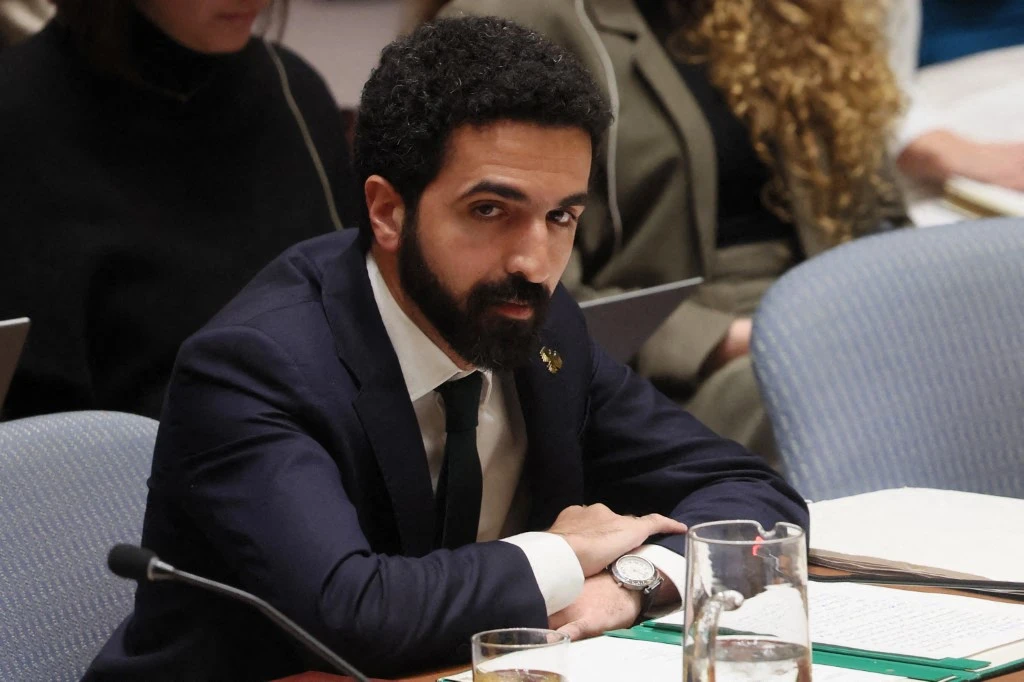
Speaking at the opening of the UN General Assembly’s Third Committee, Ibrahim Olabi said the Golan remains Syrian territory and that Israeli measures to annex it are null and void under international law, as well as UN Security Council Resolution 497.
His remarks followed a Sept. 17 address to the Security Council in which he described Syria as an indispensable partner in regional security and stability, and called Israel the region’s greatest threat.
In that address, he said Damascus remained committed to diplomacy and a US-sponsored security agreement but would not accept occupation or relinquish the Syrian people’s rights.
Israeli forces entered the UN-monitored separation zone in the Golan Heights and took additional positions in southern Syria after the fall of President Bashar Assad’s government in late 2024.
Israel described its initial deployment as a temporary defensive measure, but the UN Disengagement Observer Force said the military presence violated the 1974 Disengagement Agreement.
Israel captured most of the Golan Heights from Syria in the 1967 Arab-Israeli war and annexed the territory in 1981, a move the Security Council declared null and void. The US recognized Israeli sovereignty over the Golan in 2019, but most countries continue to regard it as occupied Syrian territory.
Turning to Syria’s domestic priorities on Monday, Olabi outlined what he described as efforts to strengthen human rights protections.
“Syria has taken steps to combat discrimination, promote equal citizenship, protect children’s rights, empower women and combat transnational crime,” he said.
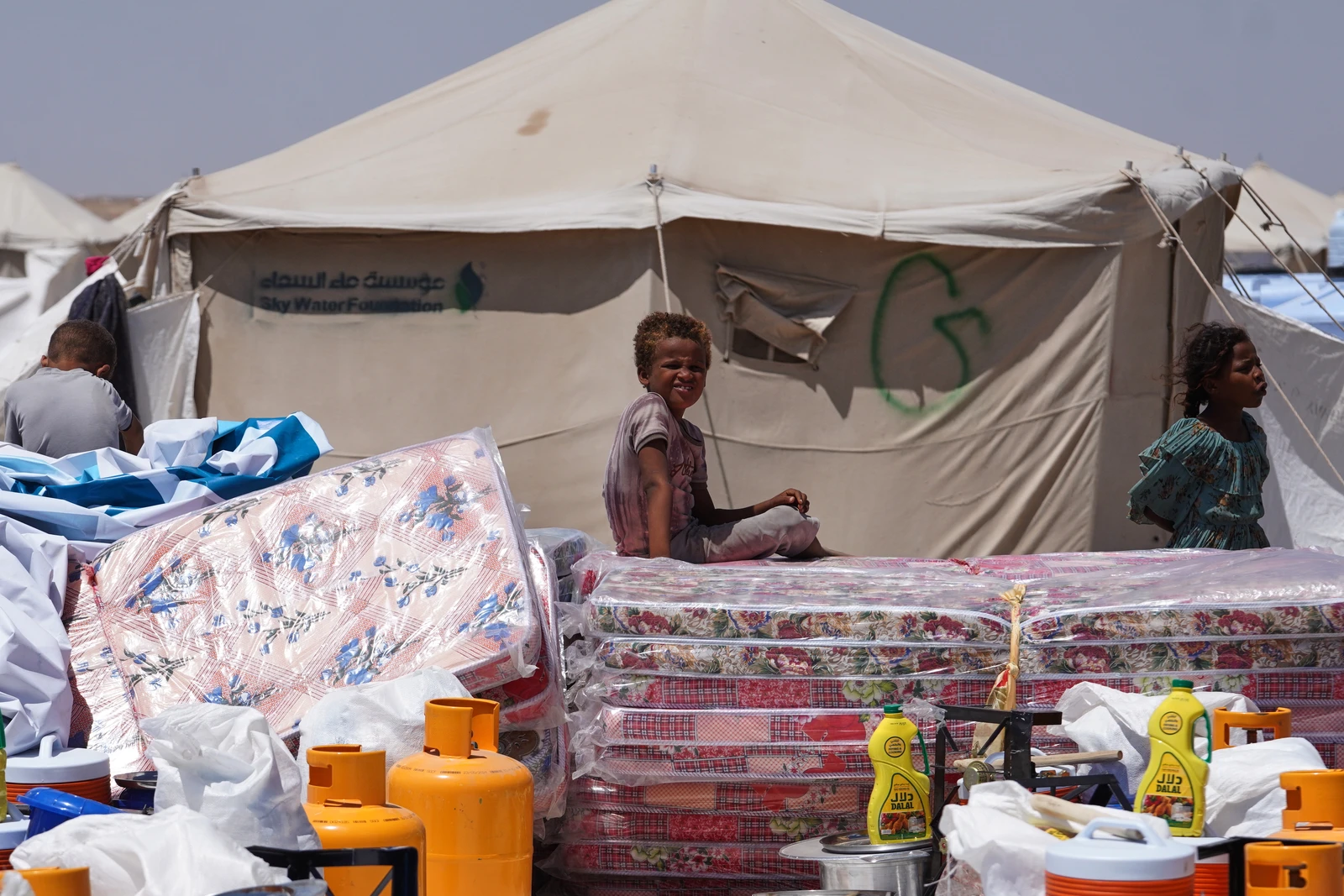
He also called the return of displaced Syrians a national priority. Under its “Syria Without Camps” vision, the interim government aims to shift from temporary humanitarian aid to lasting solutions, early recovery and reconstruction.
The UN refugee agency, UNHCR, estimated that as of Aug. 31 this year, 3.8 million Syrians have returned from neighboring countries or to their areas of origin.
Olabi also reaffirmed Syria’s support for relevant UN mechanisms addressing accountability, transitional justice and the fate of missing people.