- Ministry of Awqaf and Religious Affairs says incidents reflect growing restrictions and religious activity at sensitive Muslim holy sites in occupied Palestinian territories
RAMALLAH: Israeli forces and settlers carried out 26 incursions into Al-Aqsa Mosque in September, while authorities prevented the call to prayer 150 times and closed Ibrahimi Mosque in Hebron for six days, the Palestinian Ministry of Awqaf and Religious Affairs said on Tuesday.
The figures reflected increasing restrictions and religious activity at two of the most sensitive Muslim holy sites in the occupied Palestinian territories, the ministry added.
The incidents and restrictions at the two holy sites come amid a broader escalation in the occupied West Bank, where rising settler violence, Israeli military operations and movement restrictions have increasingly disrupted Palestinian access to local communities, farmland and essential services.
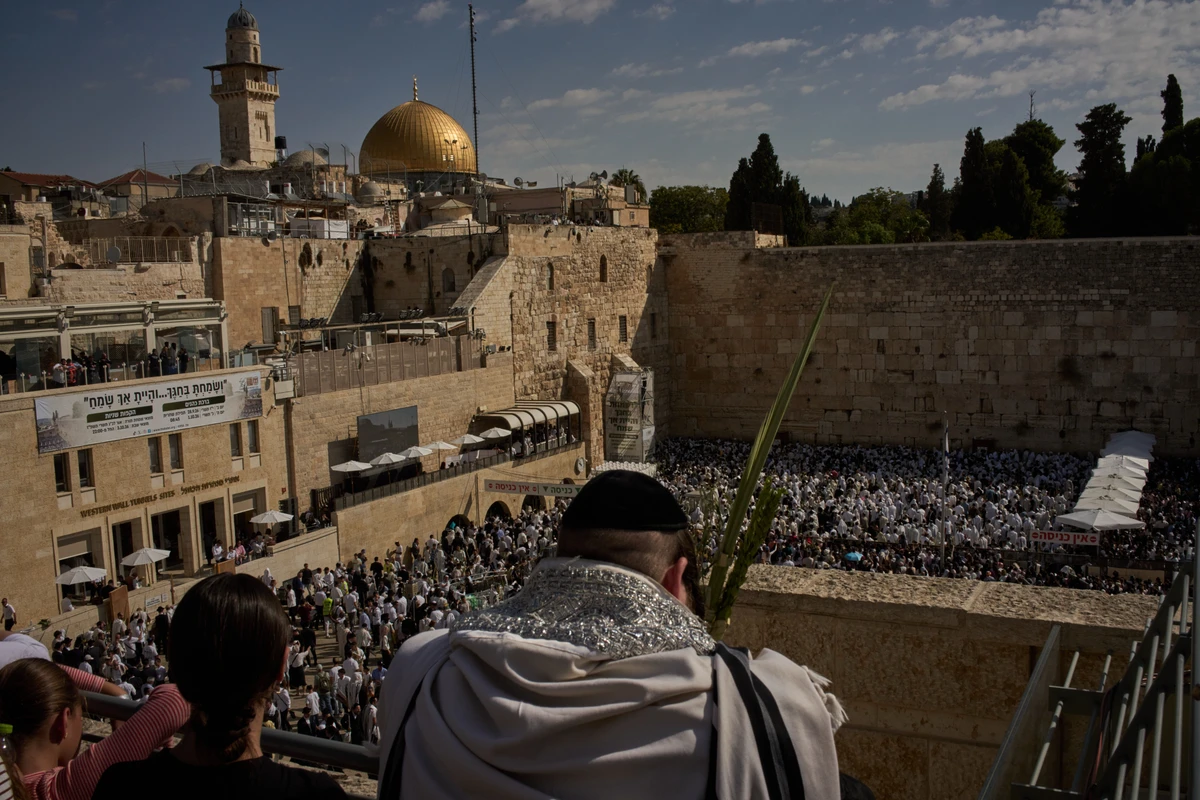
At Al-Aqsa, the ministry said, Jewish religious rituals and public prayers inside the compound have intensified, and groups advocating Jewish prayer rights at the site were calling for access to be expanded to Saturdays, the official Palestinian WAFA news agency reported.
Such demands were intended to “impose a new reality and cement temporal and spatial division,” the ministry added.
Under the longstanding status quo governing Al-Aqsa, Muslims worship at the compound and non-Muslims may visit during specified hours but are not permitted to pray there.
The compound, known to Muslims as Al-Haram Al-Sharif and to Jews as the Temple Mount, is the third-holiest site in Islam, and Judaism’s holiest. It has long been one of the major flashpoints in the Israeli-Palestinian conflict.
Meanwhile, the six closures of the Ibrahimi Mosque were imposed during Jewish holidays, the ministry said. The mosque, known to Jews as the Tomb of the Patriarchs, is sacred to Muslims, Jews and Christians, and is located in the Israeli-controlled section of Hebron.
The site has been divided into separate Muslim and Jewish prayer areas since 1994, when an Israeli settler killed 29 Palestinian worshippers during dawn prayers.
Hebron’s Old City, including the Ibrahimi Mosque, was added to UNESCO’s World Heritage List and its List of World Heritage in Danger in 2017. The organization has repeatedly raised concerns over Israeli activities in the area, including restrictions on movement and access to places of worship.
The Palestinian ministry said Israel has also kept the mosque’s eastern entrance closed and its windows covered by barriers since the beginning of 2025.
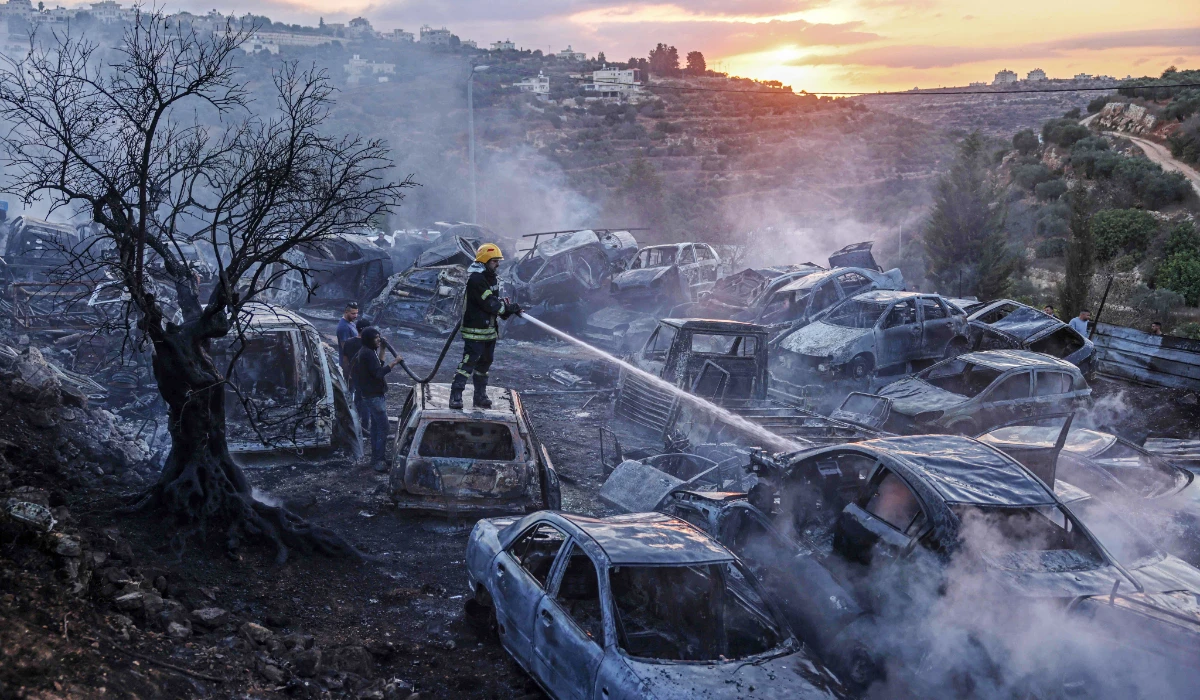
The ministry also reported incidents affecting other Muslim places of worship across the occupied West Bank in September. It said Israeli settlers set fire to Imad Al-Din Zengi Mosque in the Nablus area of the West Bank and wrote racist slogans on its walls.
Settlers also entered a new mosque in Madama, also in Nablus, and fired tear gas at worshippers, according to the ministry. In addition, Israeli authorities demolished Al-Du’aisat prayer hall in Al-Jiftlik in Jericho governorate, the report said.