- Uncrewed vessels designed to make seas safer are instead ‘imperiling the lives of innocent seafarers’ and disrupting international trade, UN Security Council told
- ‘Technological progress needs to be a bridge between peoples, not a weapon to sever the arteries of trade’ or ‘for blackmail targeting the entire world,’ says Bahraini envoy
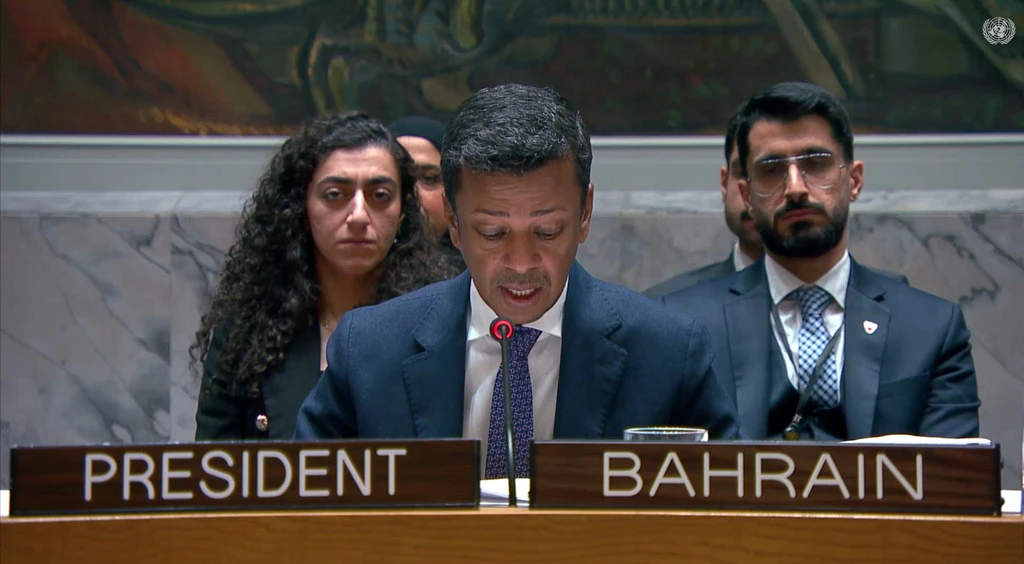
NEW YORK CITY: Bahrain on Thursday accused the Houthis and Iran of turning emerging maritime technologies into weapons they can use against global shipping.
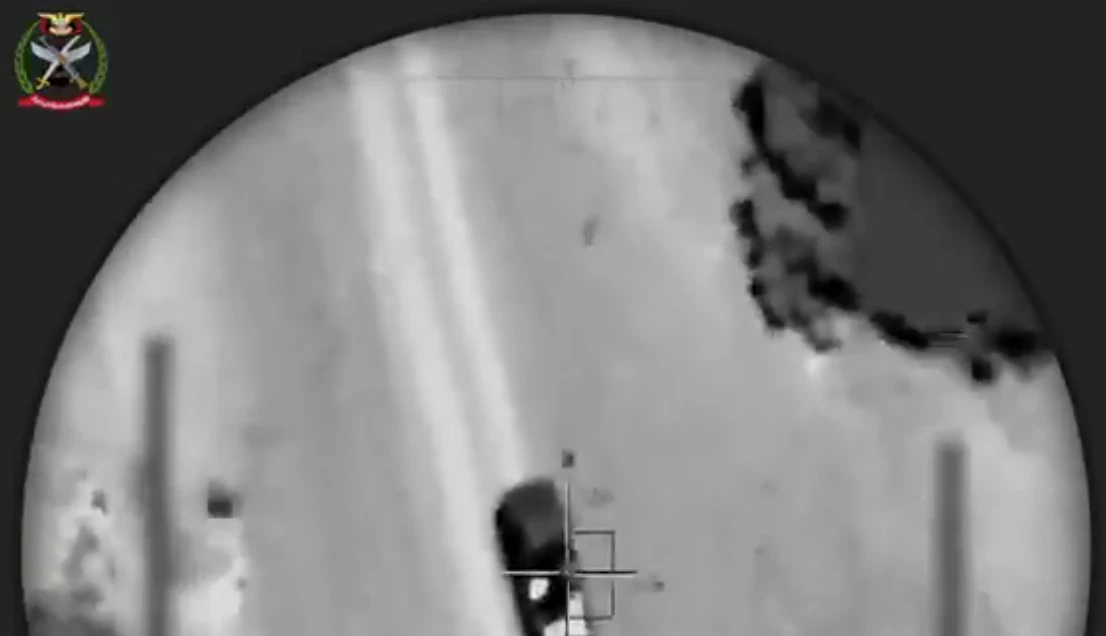
Fares Alrowaiei, Bahrain’s permanent representative to the UN, told the Security Council that uncrewed vessels and drones designed to make seas safer were being used by the Iran-backed Houthis to attack vessels in the Red Sea and Bab Al-Mandab Strait, and to choke the Strait of Hormuz.
“Houthi terrorist groups have been employing these technologies as they seek to target navigation in the Red Sea and in areas near Bab Al-Mandab, thereby imperiling the lives of innocent seafarers as well as jeopardizing and disrupting international trade,” he said.
The envoy was addressing a high-level meeting of the Security Council to discuss emerging technologies and maritime security, which was chaired by the Greek prime minister, Kyriakos Mitsotakis, as a signature event of Greece’s presidency of the council this month.
Alrowaiei said the tools Gulf states and their partners had championed to strengthen collective security were now being turned against the very sea lanes they were supposed to protect.
“What we have proposed for greater cooperation, security and peace is now being used by other stakeholders to threaten navigation and maritime security, in violation of international law and international norms, including Security Council Resolution 2817,” he said.
Resolution 2817, adopted by the council on March 11 with 13 votes in favor, none against and China and Russia abstaining, condemned in the strongest terms Iran’s attacks against Bahrain, Kuwait, Oman, Qatar, Saudi Arabia, the UAE and Jordan, and demanded an immediate halt to all hostile acts, including threats to maritime trade and Tehran’s support for proxy groups. Bahrain submitted the draft of the resolution on behalf of the Gulf Cooperation Council states and Jordan.
Iran, Alrowaiei said, “has been using uncrewed, remotely controlled, explosive-laden vessels targeting ships in the Strait of Hormuz and surrounding waters.”
The contrast between Tehran’s conduct and that of Gulf partners was starkest in the strait itself, he added, where Iran was laying mines while allied navies deployed uncrewed surface vehicles to clear them so that the waterway can be reopened.
“Between the laying of mines and their removal lies the fundamental distinction between those seeking to undermine international trade, and those who shoulder collective responsibility for the safety of navigation for all,” Alrowaiei said.
“Technological progress needs to be a bridge between peoples, not a weapon to sever the arteries of trade or to be used for blackmail targeting the entire world. We cannot accept that maritime routes, which are vectors of shared prosperity, be transformed into tools of coercion and intimidation.”
Maritime security could no longer be separated from the domains of global connectivity — sea, air and cyberspace — he added, warning that a threat to any one of them had repercussions on trade, supply chains, and energy and food security.
Alrowaiei highlighted the positive role the same emerging technologies were playing in the Gulf region, where artificial intelligence and uncrewed surface vessels were being used to update nautical charts, map safe passages and support crewed vessels in reconnaissance and surveillance missions.
He called for regulation to keep pace with innovation, including clear frameworks that define responsibility for the use of emerging technologies.