- Dubravka Suica: ‘The situation is very fragile, and we strongly condemn what’s going on in the region’
- EU set to open strategic partnership talks with Saudi Arabia ahead of Oct. 24 summit in Riyadh
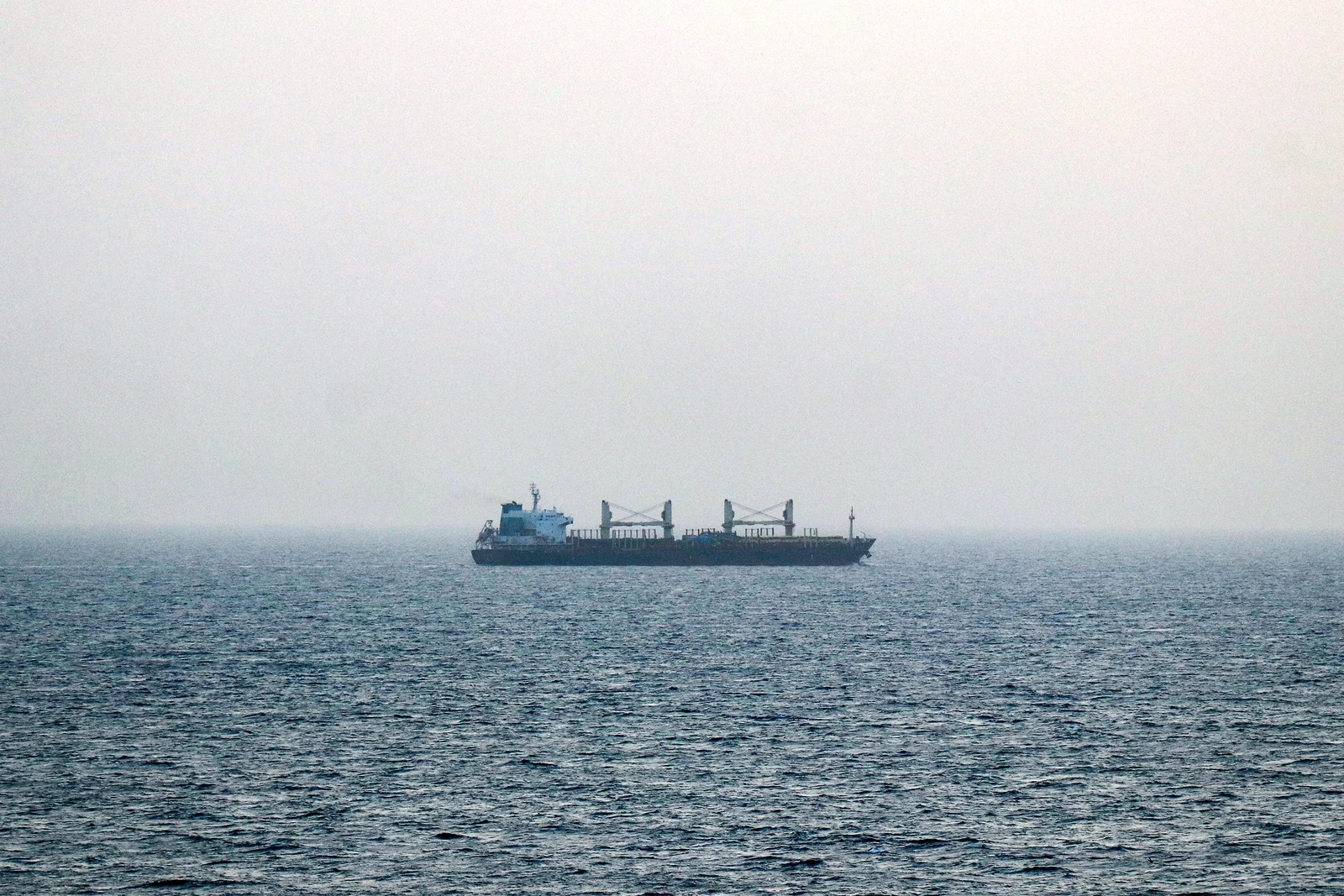
Turmoil in the Strait of Hormuz and Houthi attacks on Saudi Arabia are pushing Europe to rebuild its energy and trade lifelines through the Gulf, said the EU’s commissioner for the Mediterranean, as Brussels prepares to open strategic partnership talks with Riyadh.
In a wide-ranging interview with Arab News on the sidelines of the 81st UN General Assembly, Dubravka Suica said the crisis has made new alliances and alternative routes an urgent priority. The goal, she added, is a single energy market linking the Gulf, the Mediterranean and Europe.
“This is very important knowing what’s going on in the world now, not only Russia against Ukraine, but also what’s going on in the Strait of Hormuz,” she said. “We have to build new alliances. We have to find new alternative routes.”
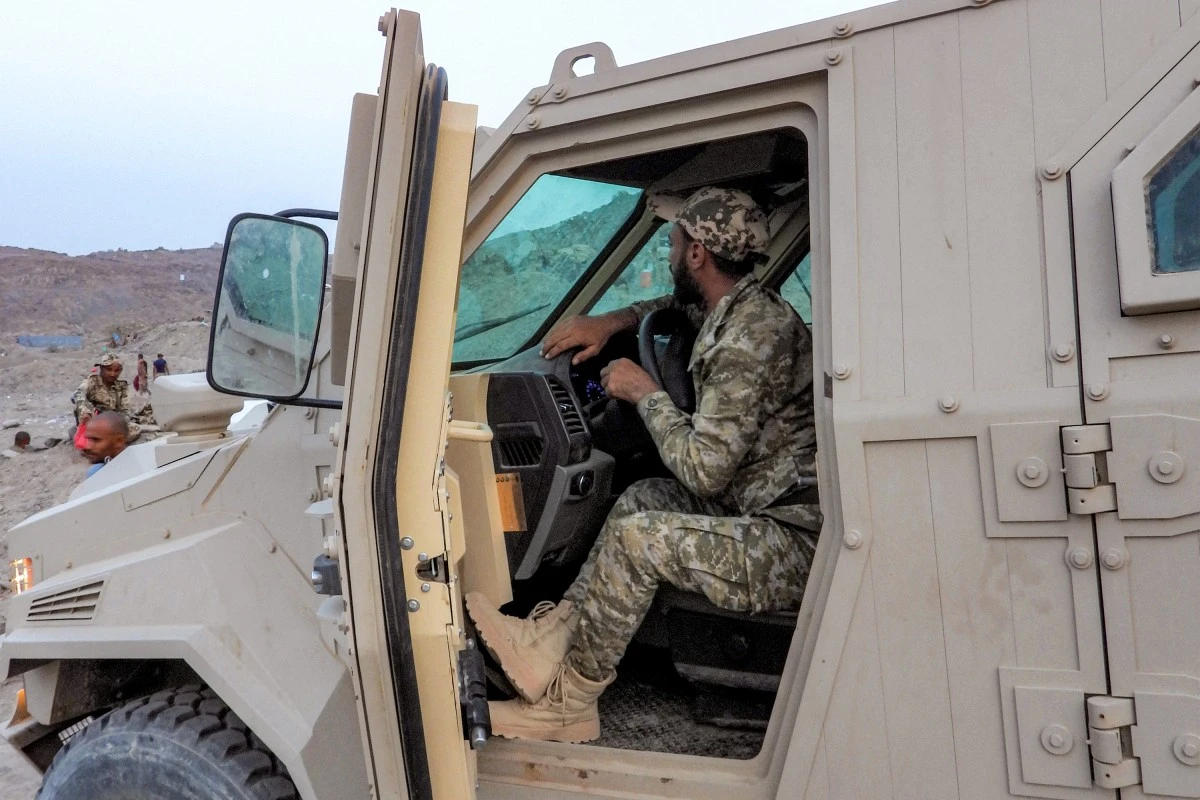
Suica strongly condemned Houthi attacks on Saudi Arabia, saying the unpredictability gripping the region is affecting every aspect of her work.
“The situation is very fragile, and we strongly condemn what’s going on in the region,” she said, adding that the disruption in Hormuz is having an impact “not only in the European region but on the whole world.”
Freedom of navigation has become one of the most pressing issues, Suica said, echoing EU foreign policy chief Kaja Kallas, and must be secured in Hormuz “without any fees, without any obstacles.”
Resolving the crisis will not be easy without the US, she acknowledged, while Europe is turning to traditional allies “regardless of the differences we have.”
Saudi Arabia sits at the center of that effort. Talks on strategic partnership agreements are already underway with the UAE, Qatar and Bahrain, Suica said, and are “just about to start” with Riyadh.
“Without the Gulf, the region can’t be complete,” she said. “We badly need all the Gulf countries to be on board in order to achieve peace in the Middle East.”
Saudi Arabia’s weight in the region makes it indispensable to peace efforts, and to reconstruction and early recovery in Gaza, Syria and other places emerging from conflict, she said.
Connectivity will top the agenda when the leaders of the 27 EU member states and the six Arab Gulf countries meet in Riyadh on Oct. 24. Suica said the meeting will cover digital links, transport, trade and energy.
She singled out the India-Middle East-Europe Economic Corridor as “very important.” The corridor would run from India through the Gulf and Arab states to the Mediterranean, and the EU is assessing which parts could be implemented as soon as possible.
The Pact for the Mediterranean, unveiled by the European Commission in October 2025, is intended to build a Common Mediterranean Space that is more connected, prosperous, resilient and secure. It focuses on education, skills and youth, clean energy and digital infrastructure, and regional security and migration.
It is open to partners beyond the southern Mediterranean, including the Gulf, and closer cooperation between the EU, the Middle East, North Africa and the Gulf is one of its core objectives.
Suica said the pact’s first action plan contained 21 concrete measures, with a second iteration due next month.
Among them is a Mediterranean University, an alliance connecting young people and researchers across the Mediterranean and the Gulf. “People should be at the forefront of this pact,” she said.
That push is reinforced by a new Mediterranean Youth and Skills Initiative, announced by European Commission President Ursula von der Leyen, to train young people in the region for green and artificial intelligence jobs.
Energy cooperation with the Gulf, Suica stressed, now goes well beyond oil. Through the Trans-Mediterranean Renewable Energy Cooperation initiative, the EU is backing solar, wind and hydrogen projects in the Gulf and North Africa, but the power cannot reach Europe without new infrastructure.
“The energy will be produced at a lower price there, but if we don’t have interconnectors it can’t be imported to Europe,” Suica said.
She cited links planned between Egypt and Greece, Morocco and Spain, and Tunisia and Italy, as well as with the Gulf.
Turning to Palestine, she flatly rejected claims that the two-state solution is dead. “I’d never say that,” she said. “We, as the European Union, have an obligation to keep this idea alive.”
The Mediterranean accounts for just 1 percent of the world’s waters but a quarter of global trade, she noted, calling the Israeli-Palestinian conflict the region’s chief “troublemaker.”
Through its Team Gaza initiative, the EU raised close to $1 billion in July for early recovery.
Israel has approved two small projects, including one on water, which Suica said she would sign in New York with the UN Children’s Fund and the UN Development Programme.
“Everybody knows that winter is coming,” she said, warning that Israel’s elections could stall progress through the end of October.
The sum is “symbolic,” she conceded, against a joint EU-World Bank rapid assessment that puts Gaza’s needs at more than €71 billion ($80.8 billion).
“We need everybody on board if we want to have Gaza reconstructed,” she said. Political will and the disarmament of Hamas are also essential, she added, and the EU is aligning its targets with the Board of Peace.
Gulf states, she said, are willing to help but are contending with their own problems with Iran and its Houthi allies in Yemen.
Once those ease, “we’re relying on the Saudis and others to invest in Gaza, not only Gaza but also in Syria.”
Brussels is equally alarmed by the West Bank, where it has condemned Israel’s E1 settlement plan.
Still, Suica argued for keeping lines open to Israel. “If we cut all the channels, then we don’t have anyone to talk with,” she said.
In Lebanon, half of a €1 billion EU package has been disbursed. The second €500 million tranche depends on banking reform and alignment with International Monetary Fund standards. Hezbollah remains the main obstacle, she said, noting that “Iran is still supporting them.”
Suica was upbeat about Syria despite “some misdeeds,” praising the authorities for staying out of regional conflicts.
She will travel to Damascus in November for a conference, where the EU is preparing a €620 million program focused on institution-building and a day of dialogue with civil society.
“It’s not only about money, although they need money,” she said. “They need knowledge and expertise for institution-building and capacity.”