- Foreign policy chief Kaja Kallas says bloc is concerned about potential security vacuum
- Plans for new EU mission to train and advise Lebanese armed forces have been finalized
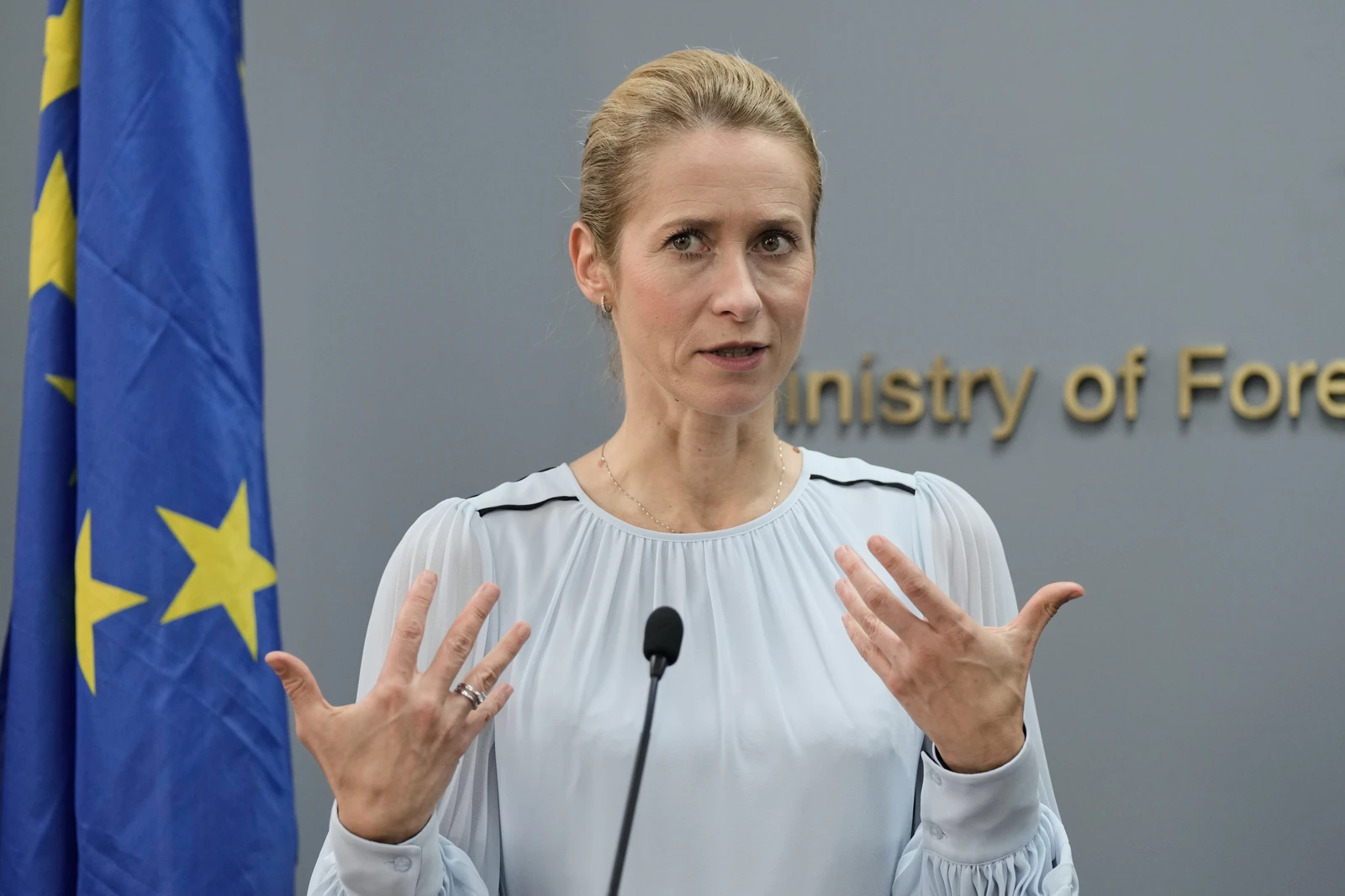
LONDON: The European Union supports extending the mandate of UN peacekeepers in Lebanon to avoid a security vacuum in the country’s south, the bloc’s foreign policy chief, Kaja Kallas, told AFP on Thursday.
The mandate of the UN Interim Force in Lebanon, known as UNIFIL, is due to expire on Dec. 31.
Kallas, during a Beirut visit, warned against ending the mission before another international force is ready to verify compliance with a US-brokered agreement between Lebanon and Israel, AFP reported.
“Our member states have been saying that there can’t be any security vacuum in southern Lebanon, so everybody is worried about the UNIFIL mandate ending,” she said in an interview during a visit to Lebanon where she met senior officials.
“It would be most welcomed if this mandate is extended, so that is the position of the member states,” she added.
Kallas also said planning was complete for a new EU mission “to train and advise Lebanese armed forces.”
She told AFP she expects EU foreign ministers to formally establish the mission, which “will make crucial contribution to the Lebanese security” and “advise and assist the Lebanese armed forces and internal security forces to strengthen territorial control, border security and also internal security.”
“A continued UN presence in southern Lebanon is under discussion and we remain ready to work with Lebanon, the UN and the Security Council members on what comes next,” Kallas said.
UNIFIL has operated in Lebanon since 1978 and now has about 7,500 personnel from nearly 50 countries, though its presence has not prevented repeated conflicts. Under US pressure, the Security Council voted last year to end its mandate on Dec. 31, 2026.
The debate over the mission’s future comes after renewed fighting that began in March, when Hezbollah fire rockets into Israel in retaliation for joint Israeli-US attacks on Iran that killed Supreme Leader Ali Khamenei.
Israel responded with extensive airstrikes and a ground invasion that have killed more than 4,300 people, according to Lebanon’s health ministry.
The Israeli military’s evacuation orders and attacks in southern Lebanon displaced some 1.25 million people, according to UN figures. And while around 850,000 have returned to their areas of origin, hundreds of thousands remain displaced.
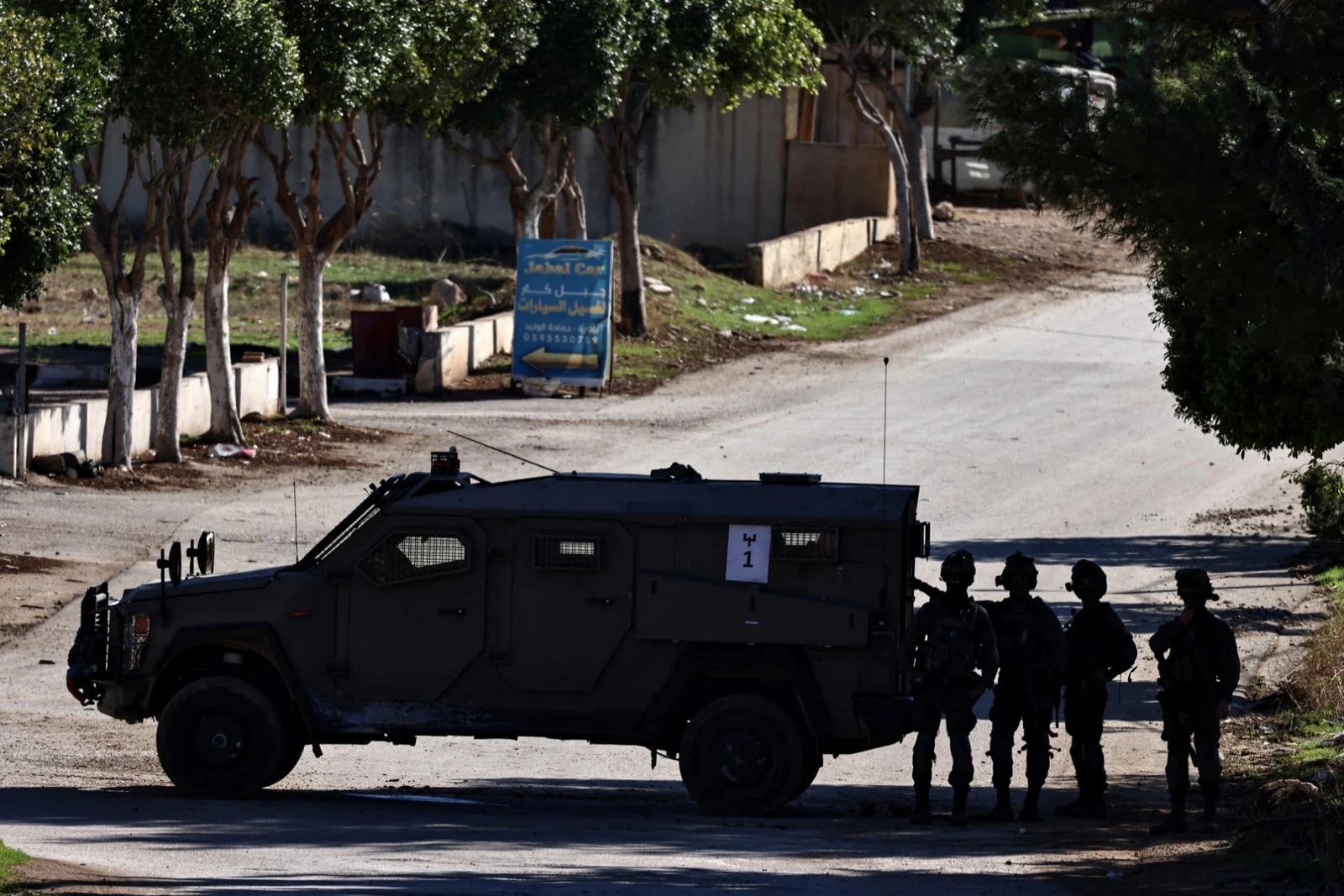
Israeli troops remain in a self-declared “security zone” extending about 10 kilometers, or 6 miles, into southern Lebanon.
Violence has eased since a ceasefire following a US-Iran understanding in June and a US-sponsored framework agreement between Lebanon and Israel later that month. Implementation of the framework, however, has largely stalled.
The agreement calls for Hezbollah’s disarmament, a gradual Israeli withdrawal from southern Lebanon and the deployment of Lebanese troops, beginning in designated “pilot zones.”
Kallas told AFP an international presence was needed to monitor whether the parties were honoring their commitments.
“So, as long as you don’t have any kind of international force yet ready to do that... it’s dangerous when one mission like UNIFIL ends and the other one has not started yet,” she said.