- Iraq has rejected Syria's request to repatriate 4,000 suspected Daesh members previously held in Syrian detention centers
- National Security Adviser Qasim Al-Aboudi said Iraq would try individuals proven to have committed crimes under Iraqi law
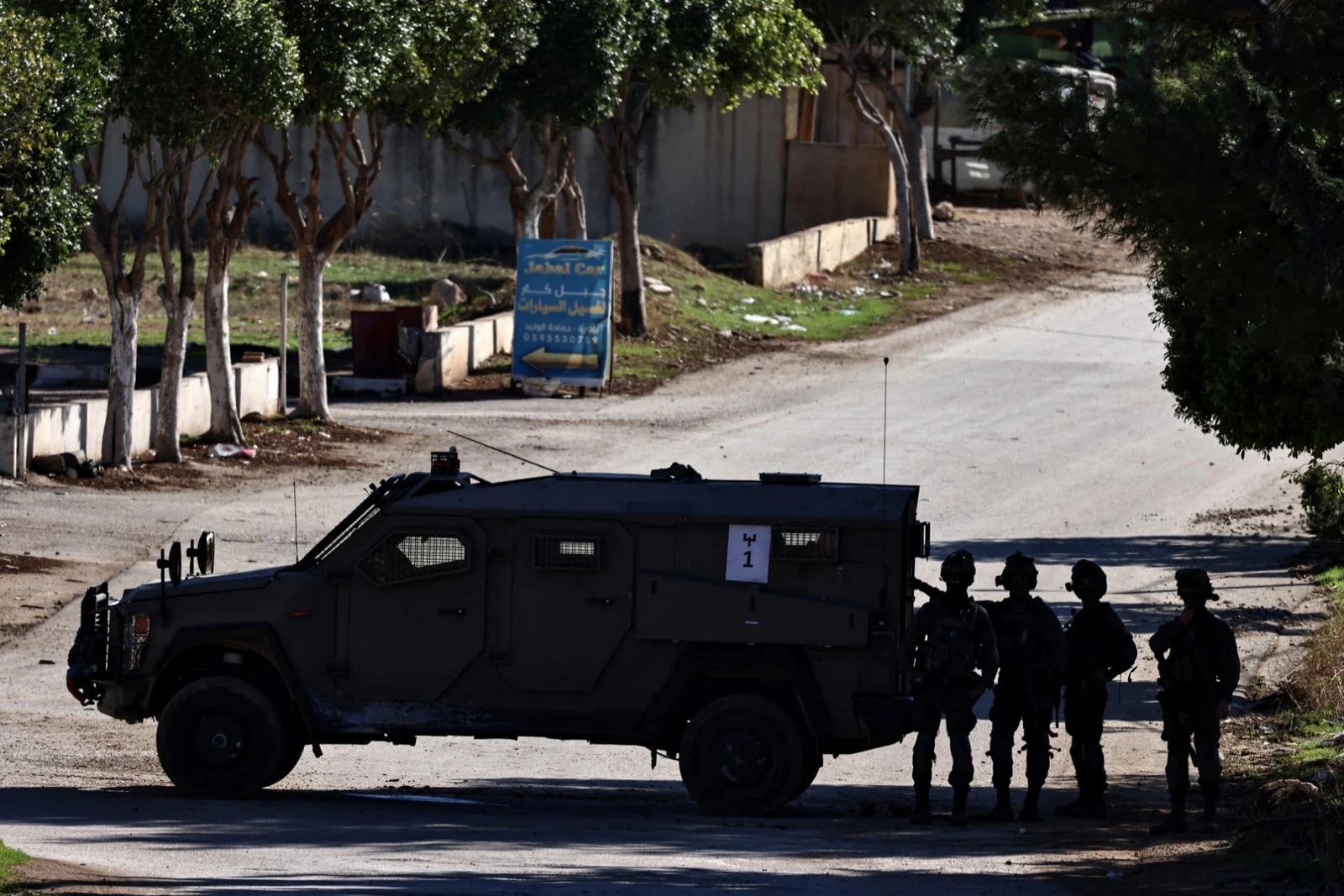
BAGHDAD: Iraq has rejected Syria’s request to repatriate thousands of suspected Daesh members transferred from Syrian detention centers to Iraqi custody earlier this year, a senior Iraqi security official said on Wednesday.
Iraqi National Security Adviser Qasim Al-Aboudi said that a meeting had been held recently between Syria, Iraq and the US to discuss the fate of the prisoners.
Al-Aboudi said Syria had requested that the 4,000 Syrian prisoners be handed over to be tried in Syria, but Iraq refused.
Iraq has repatriated about 50 Syrian detainees who were determined not to be Daesh members, he told The Associated Press, while the Syrian prisoners remaining in Iraq include about 400 who are believed to be high-level members of the extremist group.
“Iraq is conducting investigations, and anyone proved to have committed crimes in Iraq will be tried under Iraqi law,” he said.
Some prisoners could later be transferred to their home countries to complete their sentences, he said.
Syria did not immediately respond to requests for comment.
More than 5,700 prisoners with alleged Daesh ties — including some 4,000 Syrians — were transferred from northeast Syria to Iraq after fighting broke out in January between Syrian government forces and the Kurdish-led Syrian Democratic Forces, which had long guarded the detention centers where they were held.
Some Daesh-linked prisoners managed to flee during the chaos of the clashes, and there were fears that a larger-scale escape would take place. While the extremist group lost control of the territory it once seized in Iraq and Syria years ago, its cells still periodically carry out attacks in both countries.
The discussions about the prisoners’ fate come as the US has ended a 12-year mission to fight IS in Iraq, with the last US troops withdrawing from the country last month.
Al-Aboudi said Iraq has asked for financial support from the US and other countries taking part in the global coalition against Daesh to help with the costs of housing the prisoners.
“Iraq asked for an allocation of $500 million. The coalition promised support, but Iraq is still waiting,” he said.
A US defense official and the office of Tom Barrack, the US envoy to Syria and Iraq, referred questions about the prisoners to Iraqi and Syrian authorities.
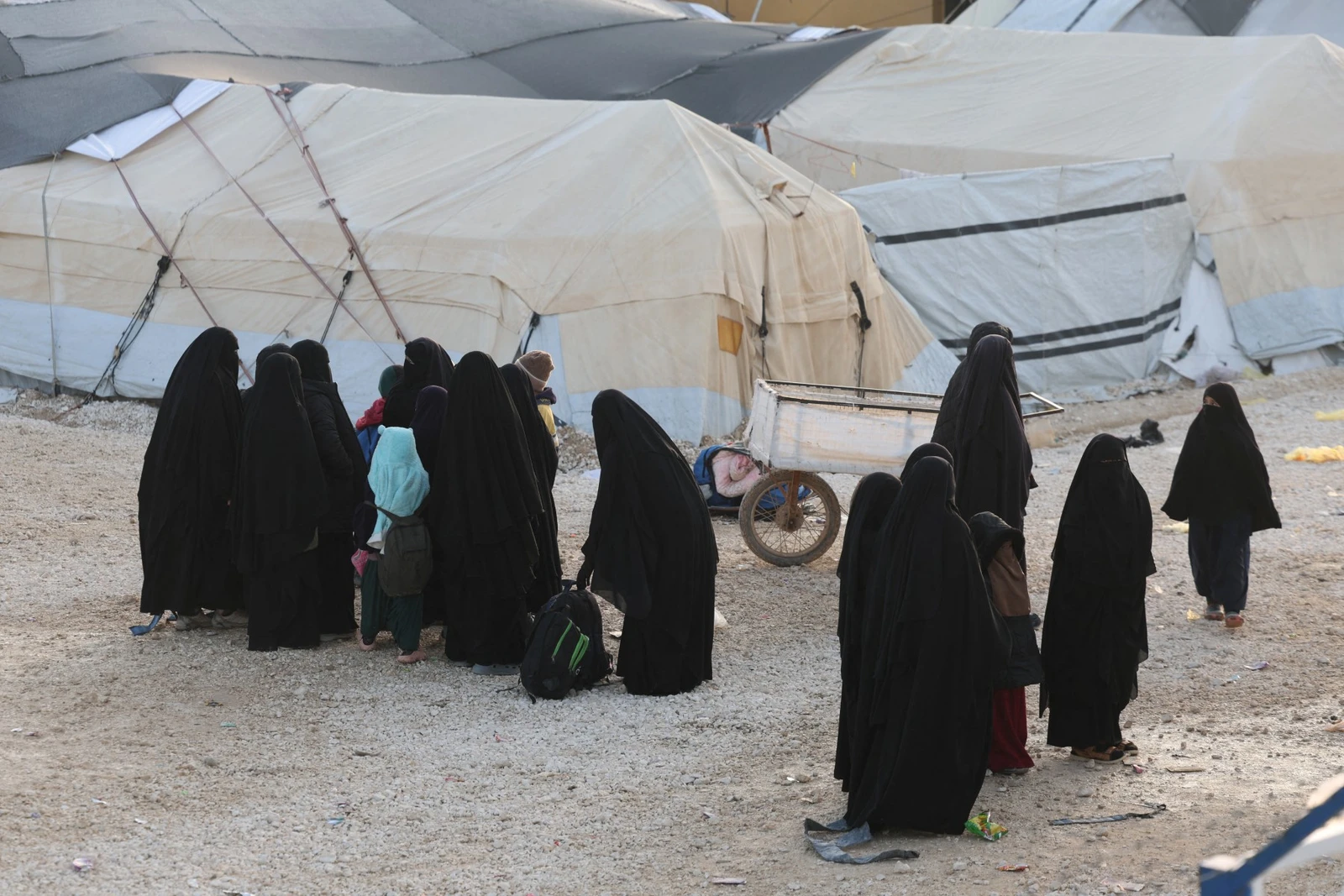
Many of the prisoners transferred to Iraq had been held in Syria for years without charges. Rights groups have raised concerns about detention conditions in both countries.
Human Rights Watch said in a report this week that “the Iraqi justice system has a documented history of torture and unlawful executions.” It urged Iraqi authorities to “adhere to international fair trial and detention standards” and abolish the death penalty.
Al-Aboudi said prisoners from countries that do not enforce capital punishment would not face the death penalty.
Those from countries with prisoner exchange agreements with Iraq could be transferred home to complete their sentences after conviction, he said.
Many Western countries, however, have been reluctant to repatriate citizens accused or convicted of Daesh ties, as well as women and children believed to be militants’ family members.