- FM tells UN his country cannot meet needs of those crossing Red Sea to flee fighting
- Disruption to shipping through Bab Al-Mandab Strait ‘could seriously affect supply chains and energy security’
Djibouti appealed on Saturday for international support to help cope with an influx of refugees fleeing fighting in Yemen.
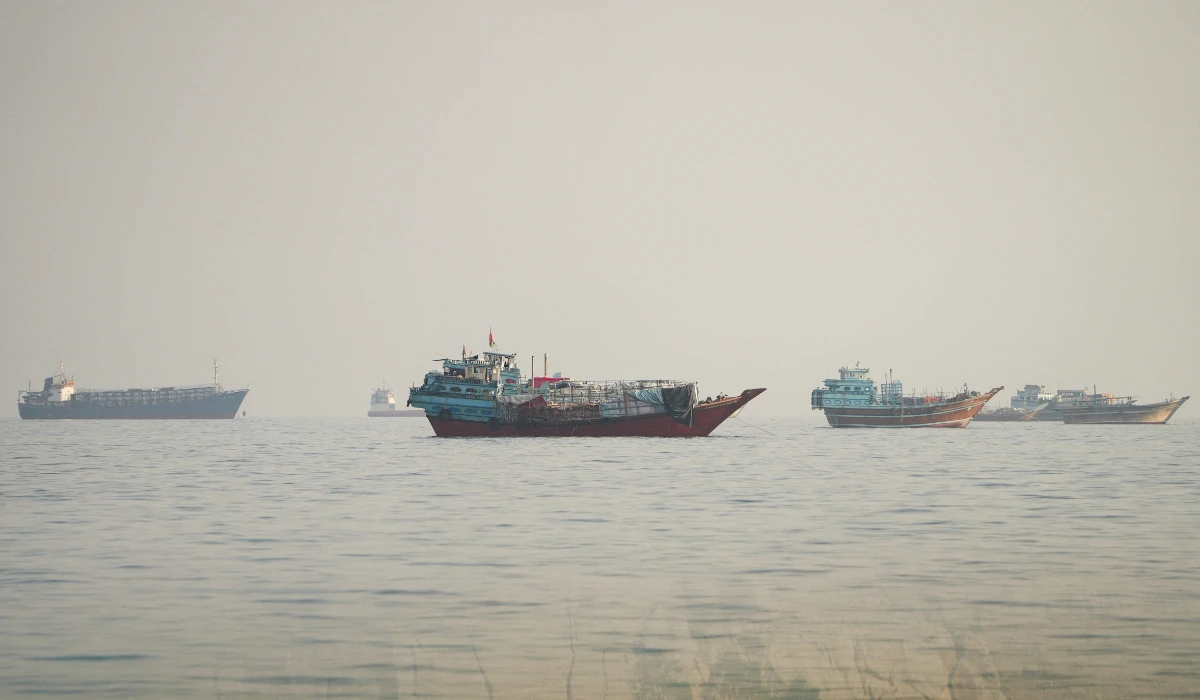
Thousands of Yemenis have fled across the Red Sea to reach Djibouti since the Houthi militia launched an assault along Yemen’s Red Sea coast earlier this month.
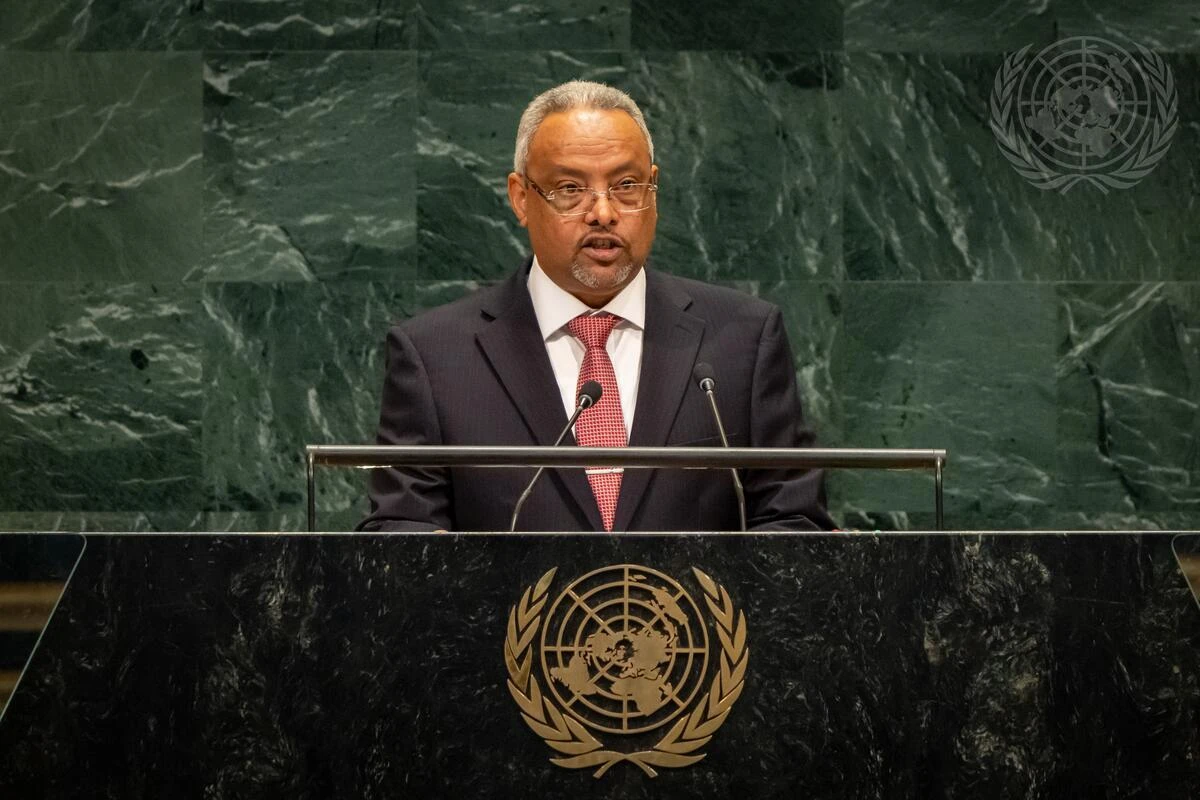
Djibouti’s Foreign Minister Abdoulkader Houssein Omar told the UN General Assembly that the influx is placing pressure on the Obock region, where the refugees are arriving in boats, and the Markazi refugee camp is reaching capacity.
“Djibouti alone can’t meet the growing needs for shelter, food and essential services,” he said. “Therefore, we reiterate our appeal to the international community to step up in support so that we can respond adequately to this influx.”
The UN last week said more than 3,000 people had made the 30-km boat journey across the Bab Al-Mandab Strait at the entrance to the Red Sea, which separates Yemen and Djibouti.
The UN Refugee Agency said the number could jump to 10,000, while more than 100,000 people have been displaced within Yemen by the fighting.
To stop the refugee flow from developing into a protracted humanitarian crisis, Omar called for de-escalation in Yemen and a lasting political solution.
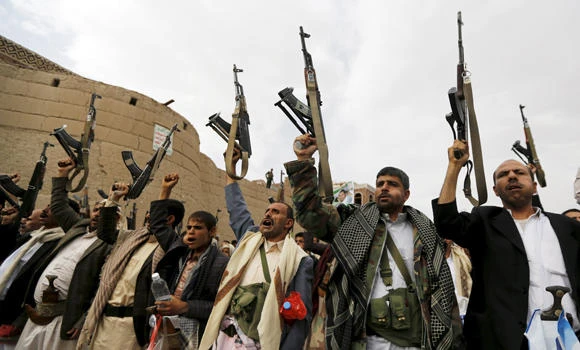
The Iran-backed Houthis, who control much of northern Yemen, launched an offensive earlier this month south along the Red Sea coast to seize areas alongside the strategic Bab Al-Mandab.
The attack has sparked fears that the Houthis will increase attacks on international shipping though the waterway and cause similar disruption to Iran’s actions in the Strait of Hormuz.
Omar said his country is closely watching tensions around Bab Al-Mandab, “a vital artery for international trade.”
He added: “Any obstruction to free movement of shipping could seriously affect supply chains and energy security.
“Preserving freedom of navigation in the Red Sea, and more particularly through the Bab Al-Mandab Strait, is a major geopolitical and economic issue for regional and global stability.”
With a population of just 1.2 million, the tiny African country has leveraged its strategically important location at the entrance to the Red Sea to emerge as a key shipping hub. It also hosts military bases for the US, China, France, Japan and Italy.
Djibouti began construction on Thursday of a $660 million petroleum pipeline and storage facilities linking the country to Ethiopia.
“These projects illustrate our ambition to achieve energy sovereignty and security, regional integration and economic transformation,” Omar said.