- Hebron’s Mayor Yousef Al-Jaabari said some residents returned to damaged homes in neighborhoods that were under Israeli siege
- Movement restrictions, however, remained at the entrances of the city
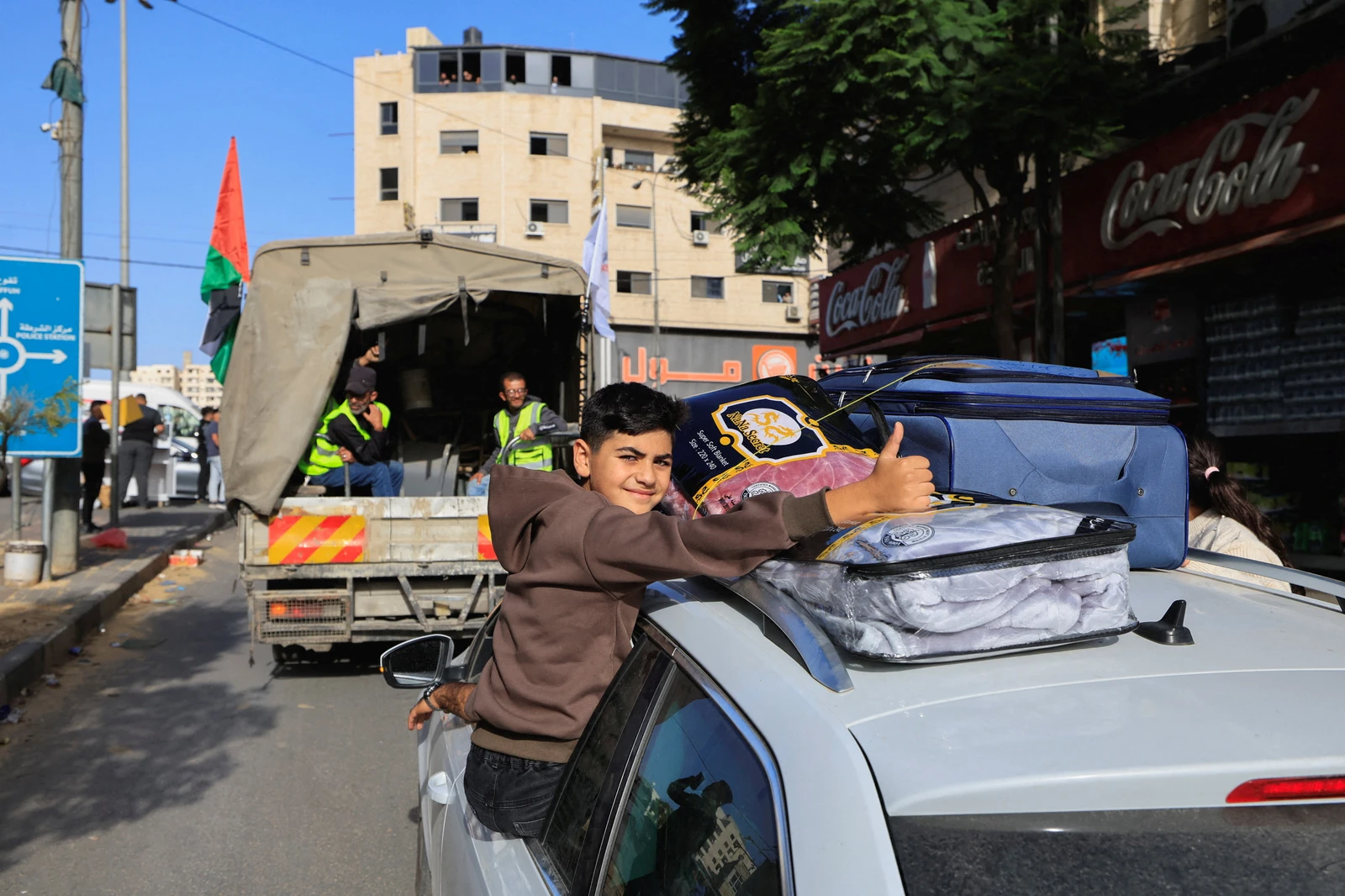
HEBRON: Displaced families began returning to their homes in Hebron on Monday and schools, universities and businesses reopened following the withdrawal of Israeli forces from parts of the occupied West Bank city.
Hebron’s Mayor Yousef Al-Jaabari said some residents returned to damaged homes in Al-Jaladah and Ein Deir Baha neighborhoods, where Israeli troops had imposed sweeping closures and forced families to evacuate their homes before turning them into military posts.
Other homes were demolished.
“Life returned to normal. This morning, we saw students going back to their classrooms and universities, and factories starting resuming operations,” Al-Jaabari told Arab News.
Movement restrictions, however, remained at the entrances of the city, he said, despite the withdrawal of Israeli troops from the two neighborhoods and other parts of Hebron.
Israeli Prime Minister Benjamin Netanyahu launched the operation after Palestinian gunmen killed two Israeli soldiers and injured three others at a Hebron checkpoint on Oct. 23. Both assailants were killed in the attack.
The following morning, Israeli troops closed all entrances to Hebron, sealed off the densely populated Al-Jaladah and Ein Deir Baha neighborhoods, near the military checkpoint at the entrance of Hebron where the attack took place, and ordered the evacuation of residents.
The 10-day operation displaced 491 Palestinian families, comprising 3,189 people, according to Hebron Municipality figures.
An Israeli military official confirmed the withdrawal on Monday, saying troops “conducted thorough searches of multiple locations, detained and questioned suspects, and located and confiscated four weapons, several vests and additional military equipment.”
The military also said it demolished the homes of the two Palestinian attackers and “sealed an underground space” near one of the properties.
According to Hebron Municipality, Israeli forces demolished 15 homes and other structures and forced 327 shops to close during the operation.
Several homes inside the city have been seized and turned into military barracks used as field interrogation centers against residents who were forced to leave their properties.
The municipality estimated direct economic losses at more than $3.8 million a day, with damage to infrastructure exceeding $1.9 million and losses in the health and environmental sectors reaching approximately $160,000.
Around 80,000 students in Hebron were also unable to attend school during the military operation, according to the municipality.
As residents returned to the affected neighbourhoods, the Palestinian Civil Defense warned them against entering damaged buildings before safety inspections or touching suspicious objects that could pose a danger, the Palestinian news agency WAFA reported.
The operation drew criticism from the UN, with human rights chief Volker Turk warning on Oct. 26 that the mass displacement, demolitions and sweeping movement restrictions raised serious concerns about Israel's use of force.
“Collective punishment is a grave violation of international law,” Turk said, calling for displaced residents to be allowed to return and for reparations for unlawful evictions and demolitions.
The Hebron Municipality and displaced residents also challenged the operation in Israel's Supreme Court, seeking an end to forced evacuations, demolitions and restrictions on movement.
The petition, filed by the legal rights organization Adalah on Oct. 29, argued that the measures amounted to collective punishment and violated international humanitarian law.