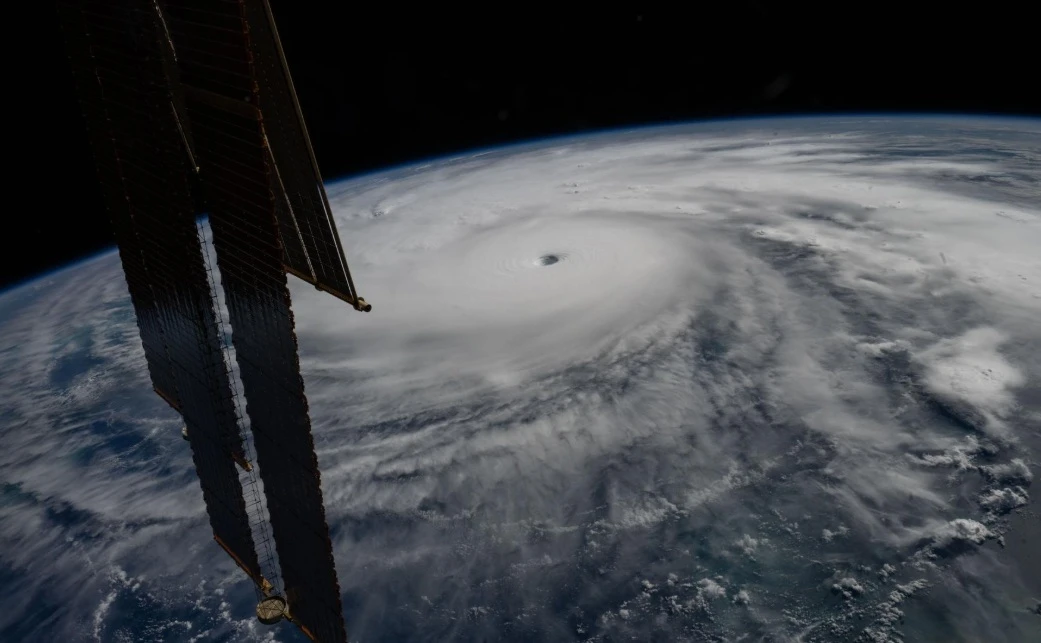
WASHINGTON: The US weather agency said Thursday that the El Nino pattern in the Pacific was strengthening and there was a 75 percent chance it would reach “historic” intensity this year.
Forecasters have been tracking an exceptional El Nino this year as the climate phenomenon has gained pace, driving tropical Pacific sea temperatures to record highs.
Scientists are increasingly confident this “super” El Nino could exceed any in the modern era, with potentially damaging knock-on impacts around the globe.
In its latest El Nino assessment, the US National Oceanic and Atmospheric Administration said the odds of a history-making event had increased since its last report a month ago.
“During the October-December 2026 season, there is a 75 percent chance of a historic event that would exceed the strength of previous El Nino events dating back to 1950,” it said.
Last month, confidence was 69 percent.
El Nino is the warm phase of a natural climate cycle that occurs every two to seven years and is characterized by above average ocean temperatures across the Pacific.
Sea surface temperatures have reached record highs in the tropical Pacific in recent months and NOAA said some areas of deeper water were more than 10C above average.
El Nino episodes alter winds, air pressure and cloud patterns, reshaping weather and raising the odds of extreme conditions thousands of miles away.
Major El Nino events often produce drought across parts of the Amazon, Indonesia and Australia, a disrupted Indian monsoon and shifting rainfall in the tropics.
“With an event of this magnitude, the chances of experiencing impacts consistent with El Nino are larger, though not guaranteed,” NOAA said.
The EU’s Copernicus Climate Change Service said Thursday its latest El Nino forecast “favours further strengthening, in oceanic indices, until the end of the calendar year, after which uncertainty in prediction increases.”
The Copernicus outlook combines El Nino predictions from nine of the world’s leading meteorological centres into a single forecast.
El Nino also temporarily boosts global temperatures, compounding the long-term warming caused by climate change and increasing the risk of extreme weather.
Scientists interviewed by AFP say 2027 is almost certain to set a global temperature record but 2026 is fast becoming a serious contender as El Nino strengthens.
75 percent chance of ‘historic’ El Nino this year: US agency