DAMMAM: The village of Thee Ain in Al-Baha is a unique heritage site that includes old archaeological buildings, agricultural lands, springs, distinctive cultural and natural landscapes, gardens, and a visitor’s center.
The village, near Al-Mekhwa city in Al-Baha province, is one of the heritage sites that the Council of Ministers approved to be registered in the World Heritage List of UNESCO. The well-preserved and authentic site comprises a distinctive cultural and natural landscape and distinct model of human adaptation to the natural environment.
The village’s multi-story houses are marvelous as they are simply constructed by stones laid one atop another, with timbers that form floor beams to provide stability to the stone structures. The houses have three levels with narrow alleyways between them.
The 400-year-old village is famous for agricultural crops such as bananas, basil, lemon and palm trees, and has many stores and a scenic river, too. The year-round spring supplies water for the many fields in the area. The agricultural area in the village covers approximately 40,000 cubic meters, upon which many of the village people from ancient times to the present day depend.
Due to its great importance, the Saudi Commission for Tourism and National Heritage (SCTNH) has prepared a rehabilitation and development plan for this heritage village to become an economic, tourism and cultural resource that provides job opportunities for local communities and tourist guides.
The SCTNH aims to turn the village into a tourist destination equipped with all required services, and increase the marketing of its products after receiving it from the Thee Ain Cooperative Society for 30 years.
The SCTNH’s development plan that began several years ago, consists of five stages; three of which were completed and two are under implementation.
The first stage included the rehabilitation of a number of buildings to be a private museum in the village, along with the village main alleyway with seats established along which till the waterfall, in addition to the re-opening of the archaeological mosque.
The second phase included the creation of the village garden with SR4 million total cost, while the third phase begun with the restoring a number of buildings in the village that cost SR7 million.
In addition, the fourth development stage began recently to restore the rest of the buildings with a total cost of more than SR7 million, and the fifth stage includes the completion of the visitor’s center and its accessory structures to be an exhibition for the local products.
Al-Baha region in general is a delightful tourism destination rich with natural resources and known for its cool weather and natural diversity. Its charm lies in the architectural heritage, mountains, folk arts, crafts, heritage and buildings.
People looking for excitement visit the surrounding mountains and embrace the green surrounds, and the cool mist. Many from around the GCC visit the region every summer to experience the adventure found in the lush, green tourism resorts in the middle of Al-Baha mountains, and to enjoy the fascinating views and weather.
Al-Baha is dream-like with all its components of heritage, culture and breathtaking nature including Raghdan forest, the traditional souks, the old fascinating crafts, and the Thee Ain village sitting beautifully atop white stones.


Thee Ain, a unique village in Al-Baha
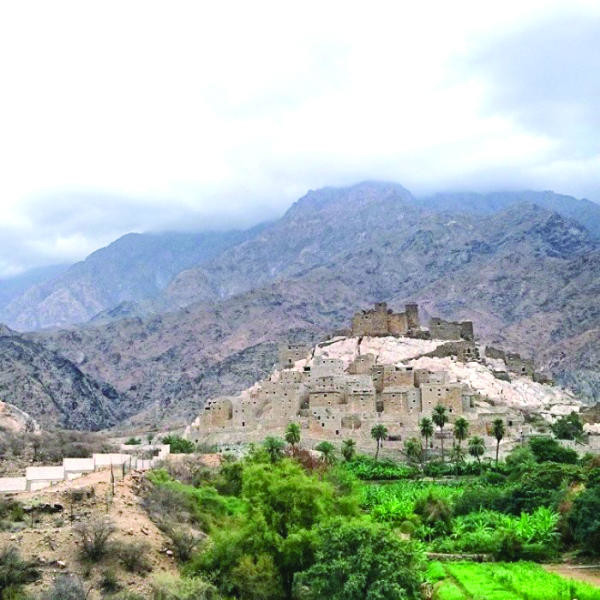

Thee Ain, a unique village in Al-Baha

Rixos Obhur Jeddah sets new benchmark for all-inclusive luxury in Saudi Arabia
- This resort is an impressive contribution to the Kingdom’s global tourism ambitions
JEDDAH: From the moment you arrive at Rixos Obhur Jeddah, it’s clear this is not just another beachfront resort — it’s a statement. Billed as the first all-inclusive luxury experience “of its kind” in Jeddah, Rixos Obhur signals a shift in how hospitality is being represented in Saudi Arabia. It is a breath of fresh air — both literally and conceptually — introducing a global resort model while remaining rooted in regional culture.
The Kingdom has long been associated mainly with business travel and domestic tourism. But it is now positioning itself as a lifestyle destination for international travelers. Rixos Obhur actively contributes to that change, offering an experience that competes confidently with established upmarket resort destinations around the world. During my stay, it was impossible not to notice the wide range of international visitors alongside Saudi families and regional travelers.
The property is expansive, polished, and unmistakably luxurious. I stayed in a three-bedroom villa designed to accommodate up to six guests. The attention to detail throughout the space was immediately noticeable.

The interiors are modern, sleek, and thoughtfully designed, striking a balance between contemporary aesthetics and warm, welcoming comfort. Everything feels new, curated, and intentional — from the furniture selection to the lighting and layout.
What truly stands out, though, is just how elevated even the smallest details feel. The bathroom amenities, including the shampoo and personal care products, are of exceptional quality — a small but telling detail that separates a luxury resort from a standard beachfront chalet experience. This is not the kind of stay where you feel you’ve “settled” for convenience; it’s one where indulgence is built into every element.
Rixos Obhur Jeddah also excels in its culinary and entertainment offerings, which are central to the all-inclusive concept. One of the highlights of my stay was the dinner and live show experience. Guests are treated to an open buffet that goes far beyond expectations, featuring premium cuts of steak, rich Turkish specialties, Arabic classics, and indulgent desserts — including Turkish Delights that live up to the brand’s heritage.
The food selection is impressively diverse, catering to an international audience while still celebrating regional flavors. This thoughtful balance ensures that every guest, regardless of background, finds something familiar and something new to enjoy. The live entertainment — including dancers and a live band — adds an energetic, celebratory atmosphere that transforms dinner into a full evening experience rather than just a meal, while the range of expertly crafted mocktails on offer further enhances the resort’s appeal.

Service throughout the property is warm, attentive, and polished, creating an environment where guests feel genuinely welcomed rather than simply accommodated.
Another standout feature of the resort is how seamlessly outdoor spaces are integrated into the overall experience. Even during warmer weather, the presence of outdoor air-conditioning allows guests to enjoy open spaces comfortably — a thoughtful adaptation to the local climate. The beach, too, is immaculately clean, well-maintained, and clearly designed with families in mind.
Rixos Obhur Jeddah offers a vision of Saudi Arabia as a competitive global tourism destination, capable of delivering world-class hospitality experiences without compromise. It successfully highlights what an all-inclusive resort can look like in the Kingdom, blending international standards with regional identity in a way that feels authentic and forward-looking.
If this resort is a glimpse of where Saudi tourism is headed, the future looks both exciting and impressively refined.


