
- Experts address an eight-year gap between disorder onset and treatment at the first Alkhobar psychiatry conference
- National survey data showing low annual treatment rates anchors discussions on early intervention
ALKHOBAR: Mental health specialists meeting in Alkhobar called for earlier intervention and expanded access to psychiatric care after reviewing national data showing that Saudi patients wait a median of eight years before seeking professional help, the Saudi Press Agency (SPA) reported.
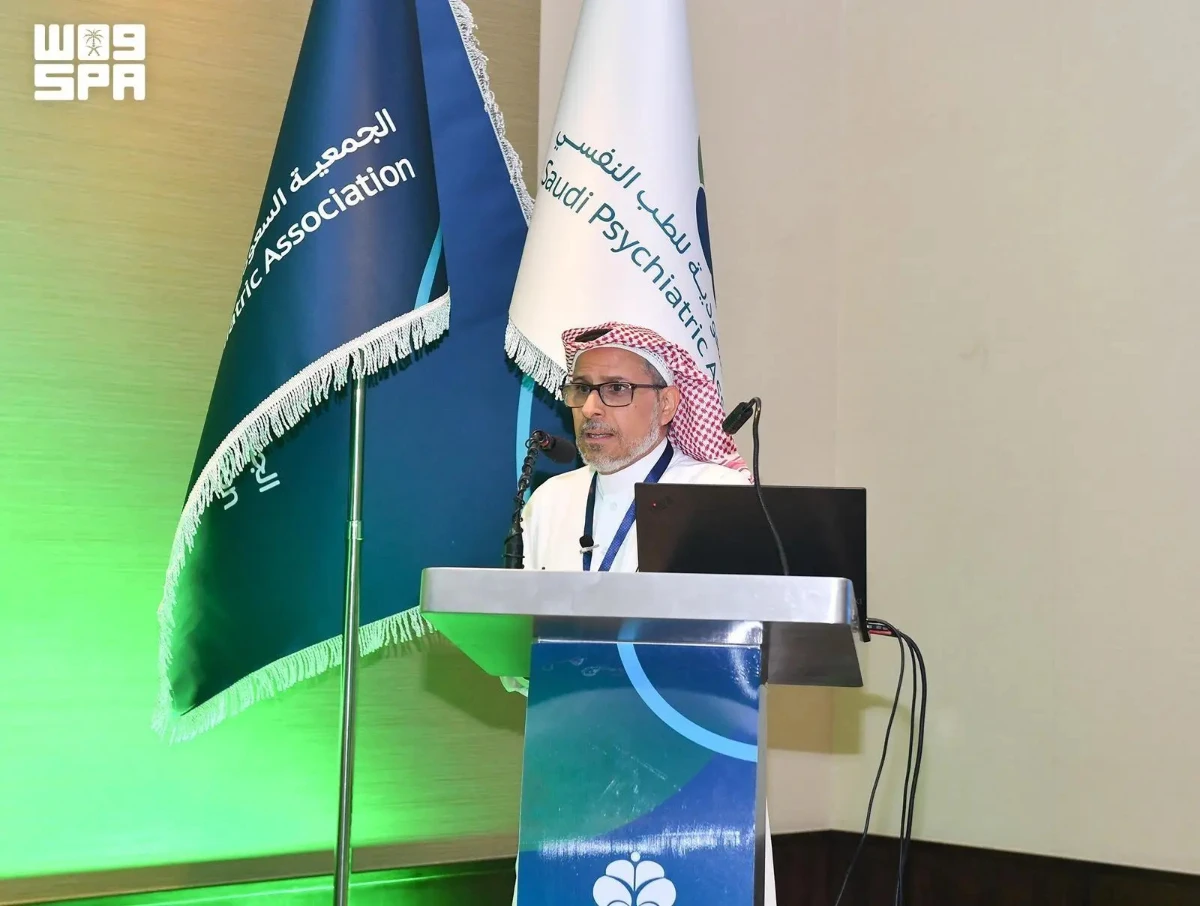
More than 20 experts gathered at the Grand Hyatt Alkhobar on Saturday for the first Alkhobar Conference on Psychiatry and Mental Health, organized by the Saudi Psychiatric Association. Discussions centered on overcoming diagnostic delays and improving long-term outcomes for adolescents and adults living with mood, anxiety and psychotic disorders.
A wide treatment gap
Presentations drew heavily on findings from the Saudi National Mental Health Survey, a landmark nationwide study conducted by the King Salman Center for Disability Research in collaboration with the Ministry of Health, King Faisal Specialist Hospital and Research Centre, and international partners including Harvard University and the World Health Organization.
Based on in-home interviews with 4,004 Saudi citizens aged 15 to 65, the survey found that 34 percent of Saudis meet the criteria for a mental health condition at some point in their lives. Yet only 13.7 percent of those experiencing a disorder in a given year received treatment during that same period—a figure listed at 13.6 percent in the survey’s published technical report.
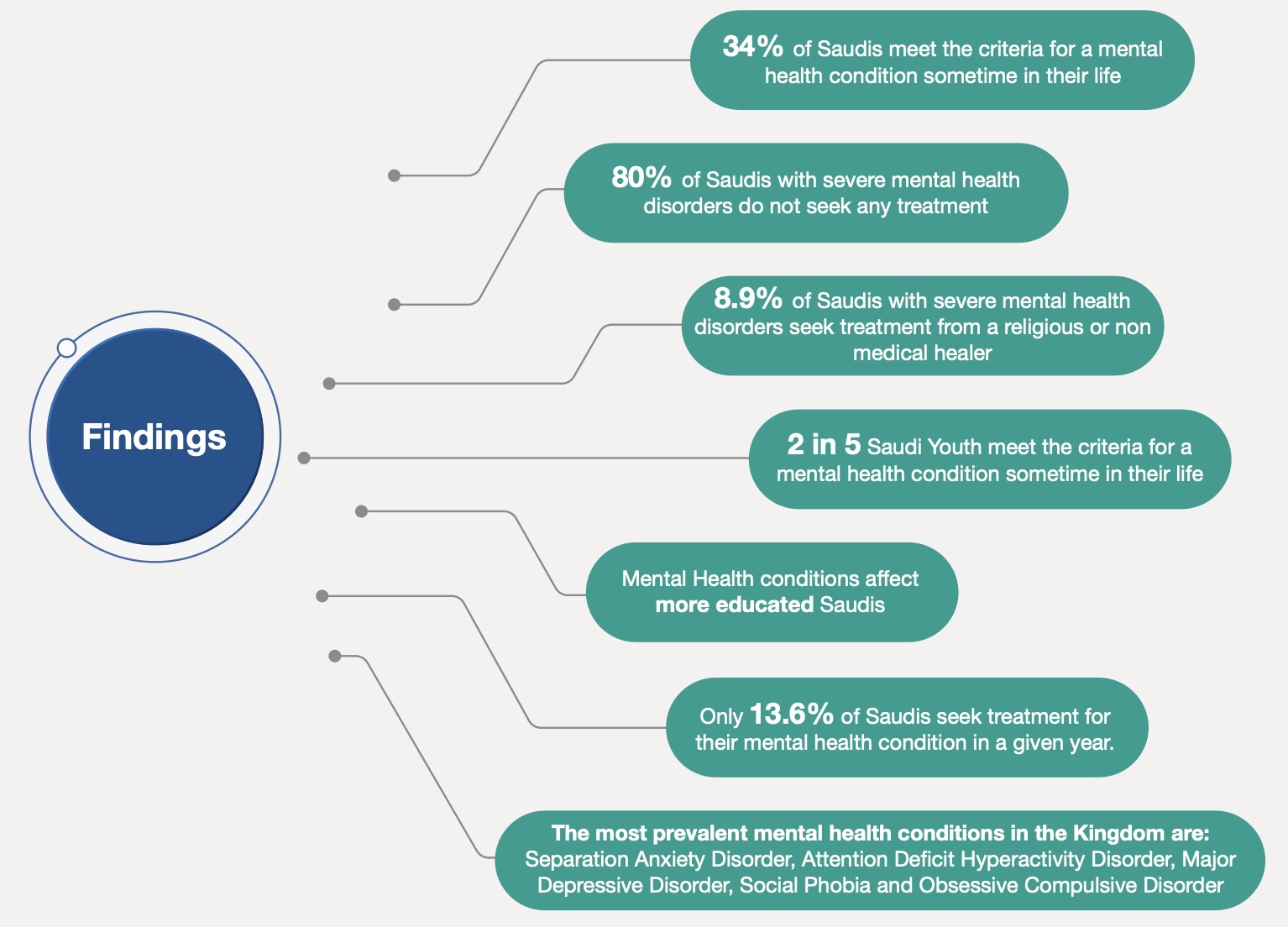
Even among Saudis with severe mental health disorders, 80 percent do not seek any treatment. Of those with severe conditions who do pursue help, 8.9 percent turn to religious or non-medical healers, compared with 6.8 percent who visit a mental health specialist such as a psychiatrist or psychologist, according to the report.
Youth and most common conditions
Conference speakers placed particular emphasis on diagnosing and treating depression among adolescents, alongside schizophrenia, bipolar disorder and other mood conditions.
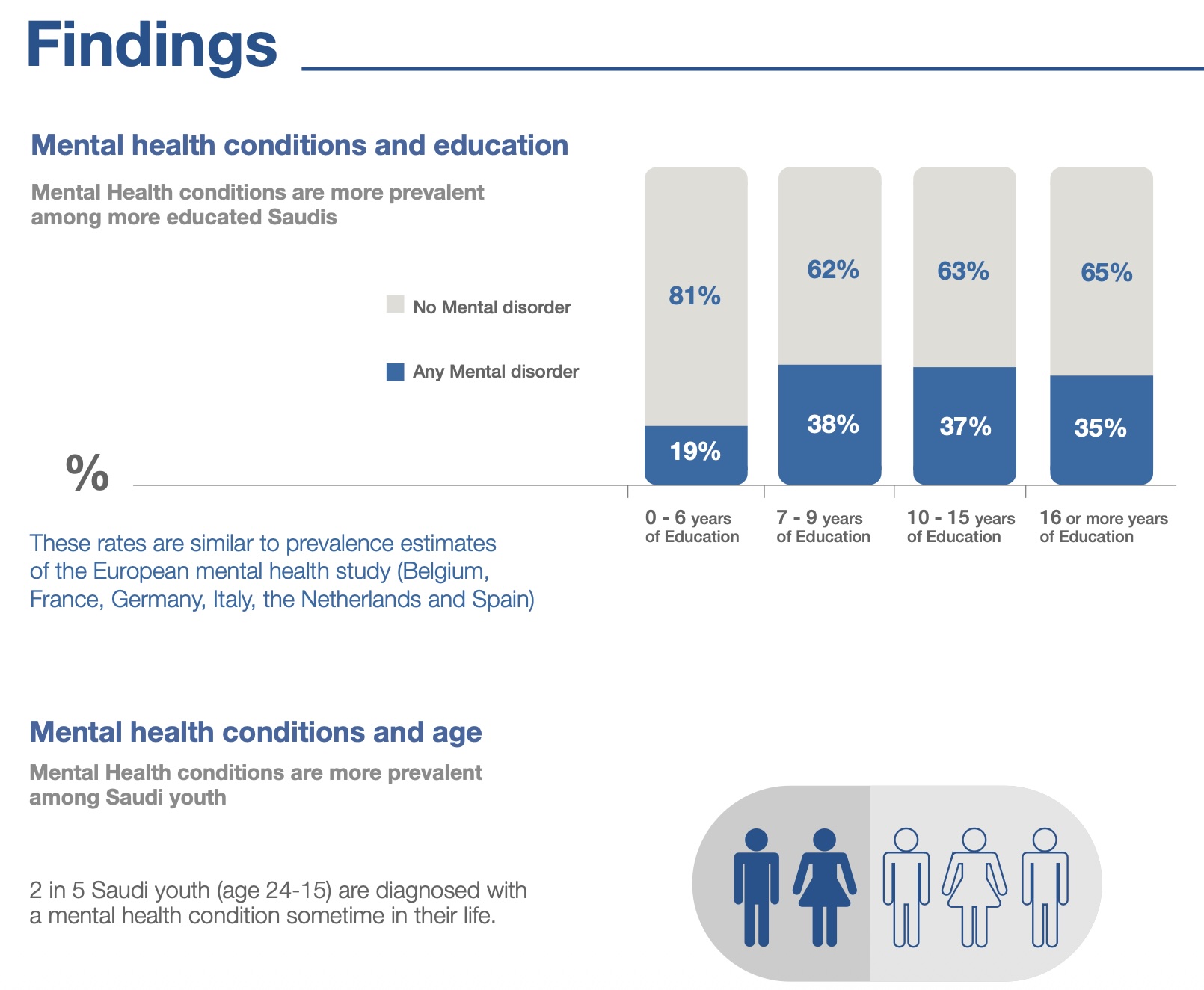
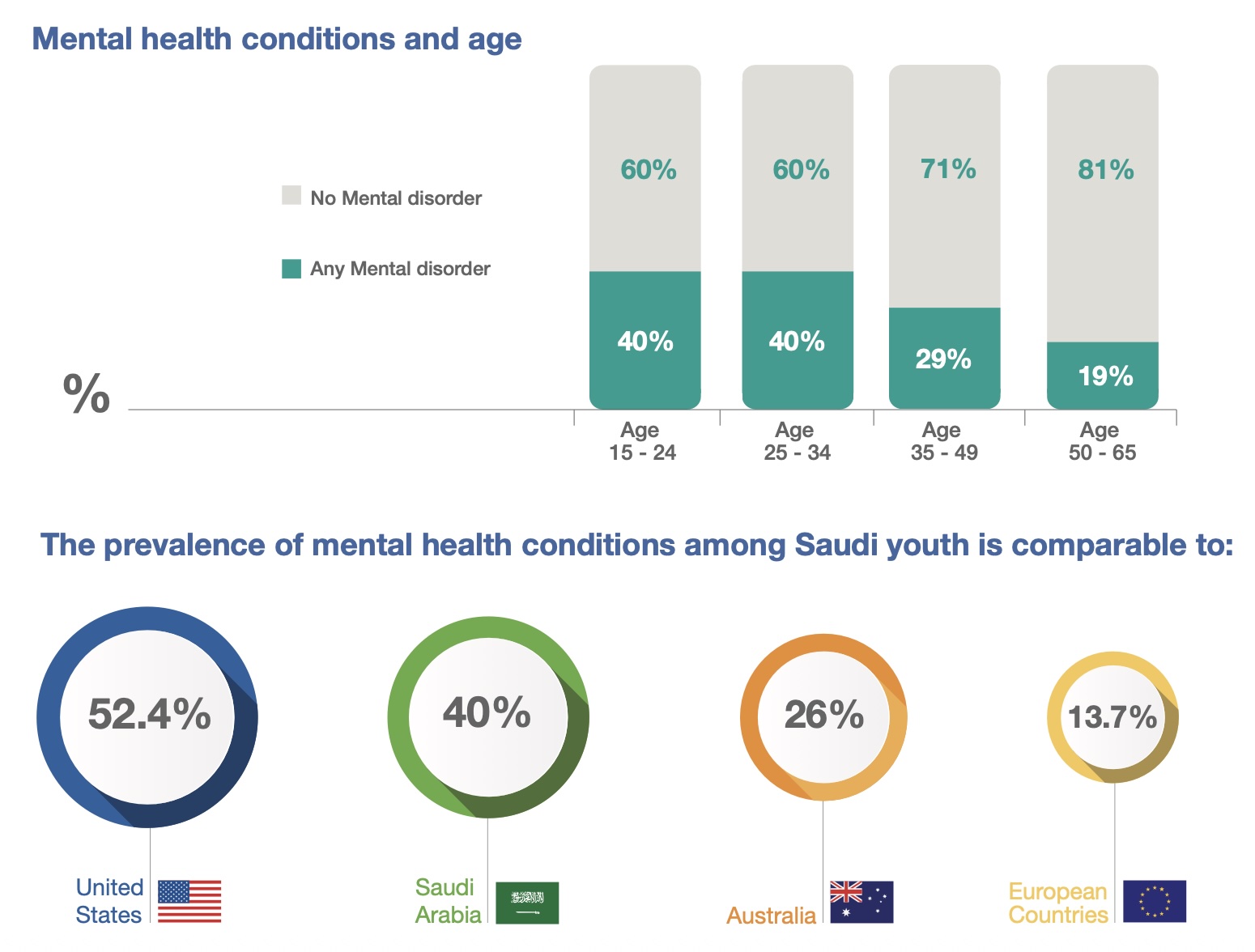
Data from the national survey underscores the vulnerability of younger demographics: 2 in 5 Saudi youth aged 15 to 24 — or 40 percent — experience a mental health condition during their lifetime. Overall, the most prevalent lifetime conditions in the Kingdom are separation anxiety disorder (11.9 percent), attention-deficit/hyperactivity disorder (8.0 percent), major depressive disorder (6.0 percent), social phobia (5.6 percent) and obsessive-compulsive disorder (4.1 percent).
The survey also noted gender differences in lifetime prevalence, with major depressive disorder affecting 8.9 percent of Saudi women compared with 3.1 percent of men, while ADHD is more common among men (10.0 percent) than women (6.0 percent).
Preventing relapse through early care
Participants warned that delaying treatment for conditions such as depression and schizophrenia leads to more complex clinical courses and disrupts patients’ education, careers and social lives. Experts also examined the role of long-acting medications in improving treatment adherence and lowering relapse rates.
To bridge the service gap, the technical report from the King Salman Center for Disability Research recommends expanding school- and college-based interventions, developing specialized facilities for women, and leveraging digital tools — such as e-treatments and the Ministry of Health’s “Qareebon” smartphone application — to deliver confidential care directly to patients at home.