- KSrelief chief: Main constraints have become increasingly political rather than operational
- ‘Attacks against civilians and aid personnel must never be met with silence and impunity’
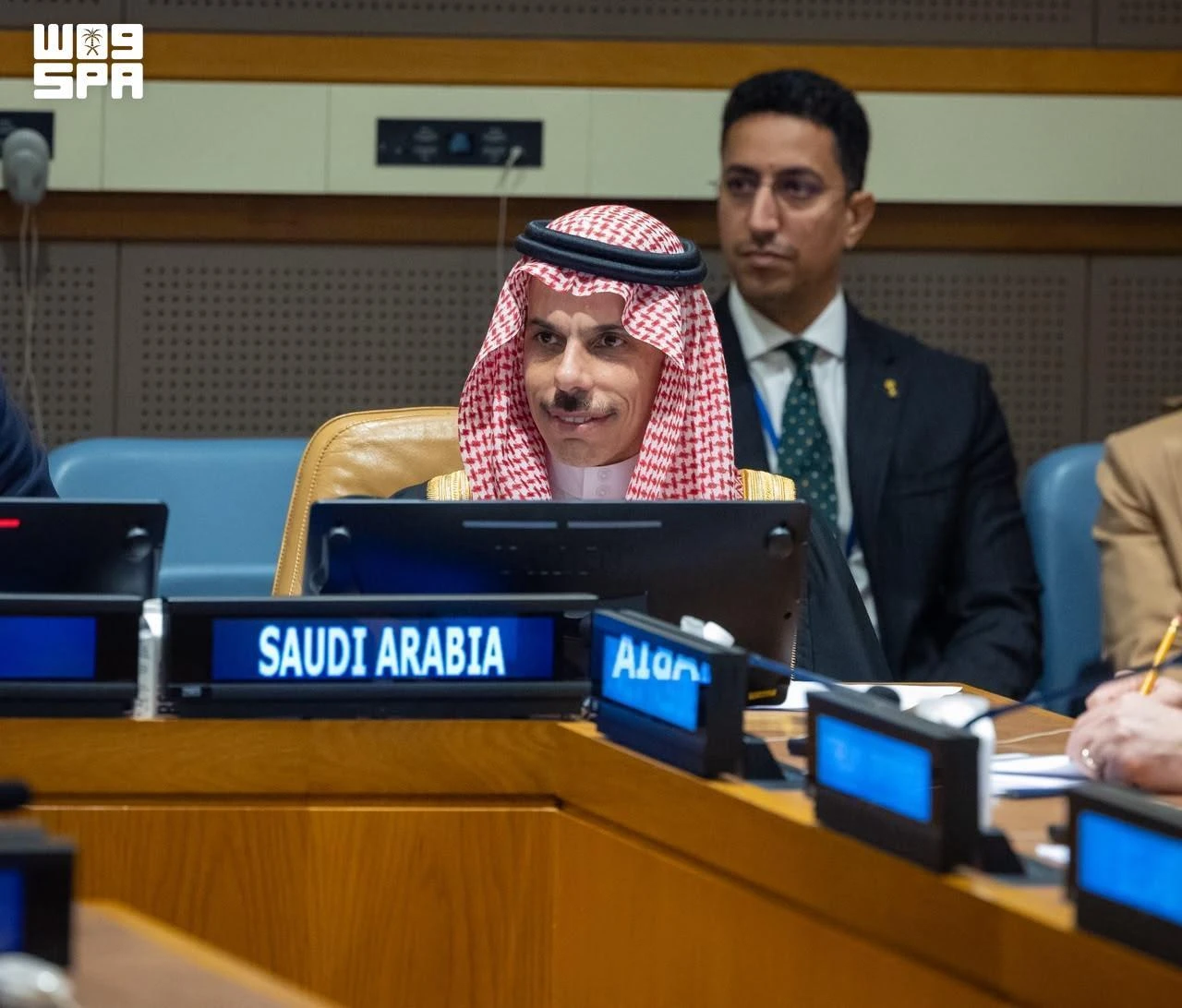
Saudi aid agency KSrelief co-hosted a high-level meeting on the sidelines of the UN General Assembly on Wednesday to discuss diplomacy’s role in supporting humanitarian efforts in war- and disaster-stricken regions.
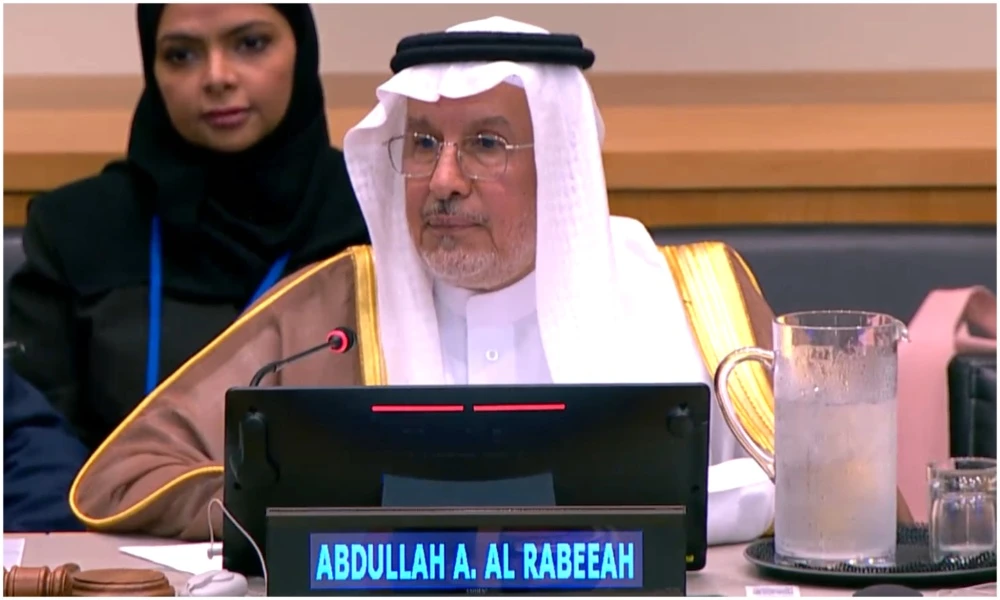
“Humanitarian work is facing unprecedented challenges from political obstruction, natural disasters, violations of international humanitarian law and funding gaps,” said Abdullah Al-Rabeeah, supervisor general of KSrelief.
The event was attended by Arab News alongside Pakistani, UN and European officials, as well as representatives of human rights organizations.
Since its establishment in 2015, KSrelief has implemented 4,463 humanitarian projects in 113 countries, spending more than $8.5 billion on food security, health, education, shelter, water and sanitation.
Al-Rabeeah said the main constraints for humanitarian efforts have become increasingly political rather than operational.
“Today, nearly 120 million people are forcibly displaced globally. To confront this harsh reality, diplomacy must be intentionally linked to humanitarian outcomes in the Middle East and worldwide,” he added.
In Gaza, “the humanitarian community finds its hands tied in the face of such immense suffering,” he said.
“Civilians and aid workers are targeted, humanitarian trucks are attacked, communities face drone strikes, children are attacked, women face sexual violence, and (humanitarian) access is not only weaponized but faces bureaucratic impediments.”
He called for diplomatic efforts to translate into practical humanitarian action to achieve regional stability and deliver an aid response to global challenges.
“Respect for international humanitarian law isn’t optional. Attacks against civilians and aid personnel must never be met with silence and impunity,” he said.
This week, Al-Rabeeah met with the World Health Organization’s director general, Tedros Adhanom Ghebreyesus, to discuss joint humanitarian efforts.
KSrelief signed a $5.3 million agreement with WHO to combat cholera in the Lake Chad Basin.
In August, KSrelief launched a program to rehabilitate educational and community buildings damaged by the civil war in the Syrian governorates of Homs, Daraa and Deir Ezzor.