- National Day puts the Kingdom’s diverse regional styles on display, showing how heritage can evolve while retaining its identity.
ALKHOBAR: When 25-year-old Reem Al-Dossari chooses what to wear for Saudi National Day, she is increasingly drawn to pieces that look familiar long before they feel fashionable.
An embroidered detail similar to one worn by an older relative, a piece of traditional jewelry or a garment associated with her family’s region can find its way into an otherwise contemporary outfit.
For Al-Dossari, the appeal is not about recreating exactly what previous generations wore. It is about keeping parts of that wardrobe visible in her own.
“When I was younger, I saw traditional clothes mostly at family occasions or in old photographs. As I got older, I started noticing the details more and asking my mother about them. Now I like taking one traditional piece and wearing it in a way that still feels like my own style.”
Across Saudi Arabia, traditional dress has never meant a single wardrobe. Clothing developed differently between regions and communities, shaped by climate, available materials, customs and ways of life.
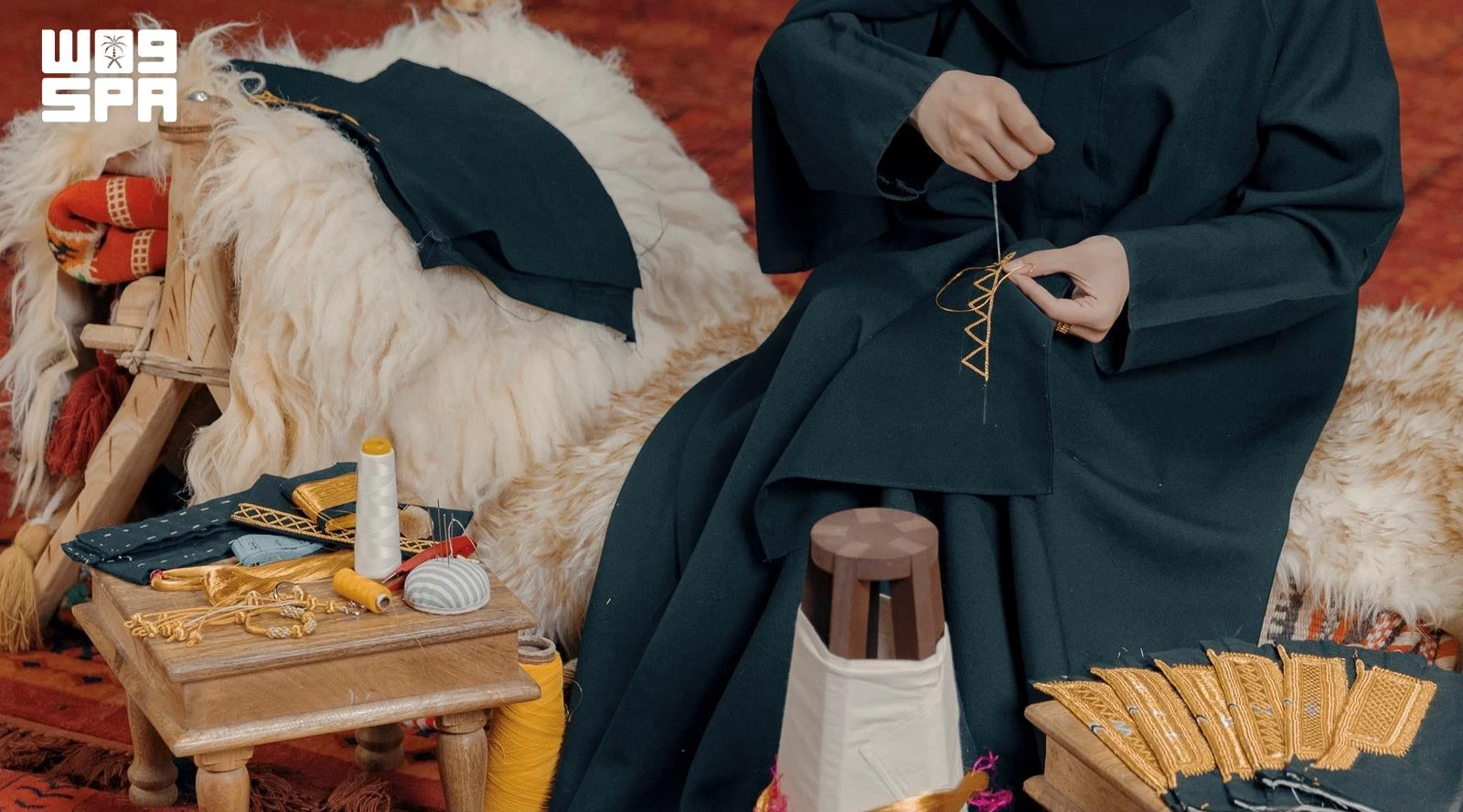
Al-Sadu, the traditional weaving practice associated with Bedouin communities and passed down through generations, is inscribed on UNESCO’s Representative List of the Intangible Cultural Heritage of Humanity.
Those distinctions can be seen in fabrics and cuts, but also in embroidery, jewelry, head coverings and the techniques used to make individual garments.
Today, some of those elements are finding their way into the wardrobes of a generation more accustomed to contemporary fashion.
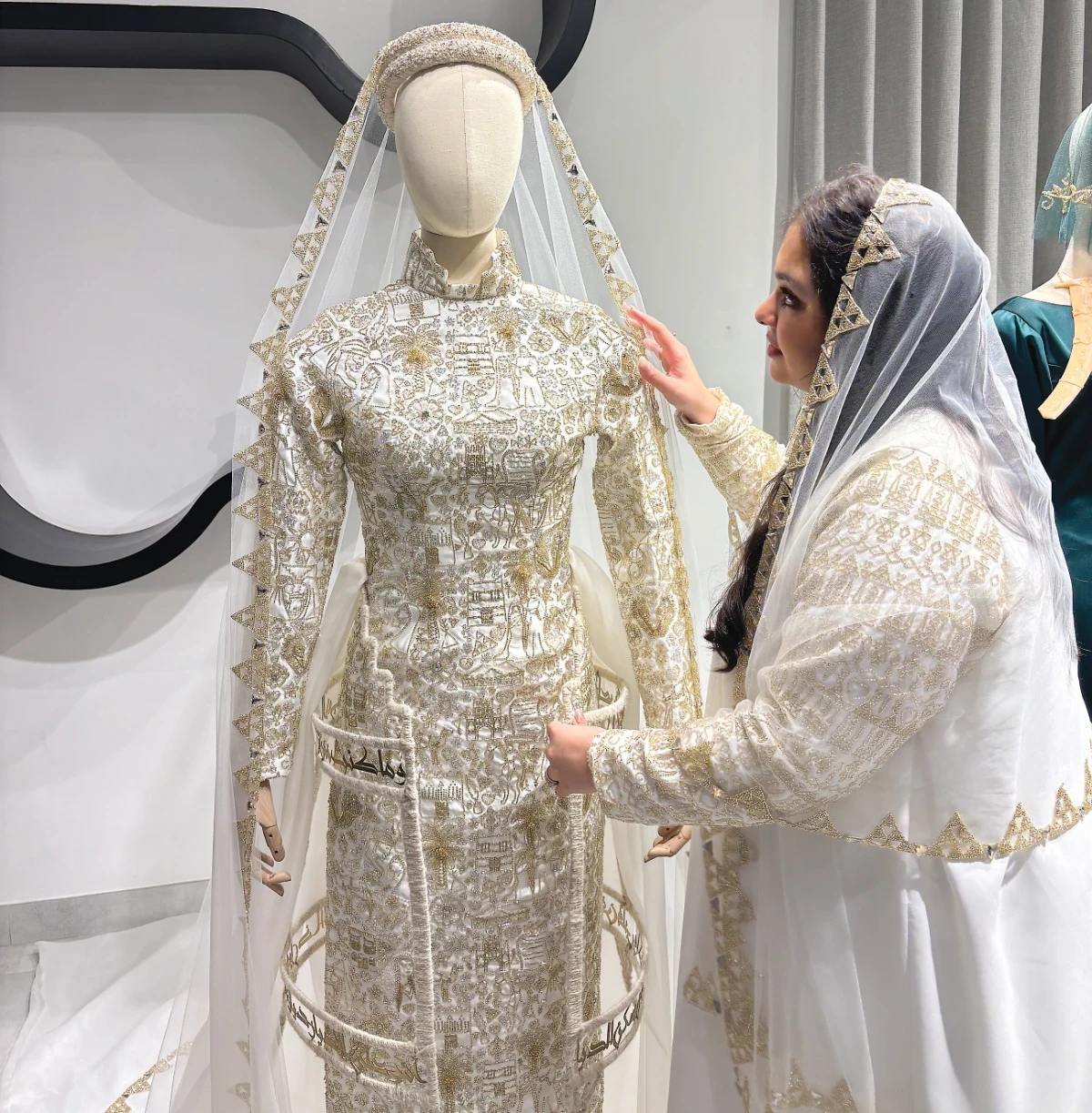
National Day and Founding Day provide particularly visible occasions for younger Saudis to wear regional clothing. But rather than always reproducing complete traditional outfits, individual elements are also being combined with contemporary dresses, abayas, jackets and accessories.
Saudi designers have been exploring the same intersection.
In a previous Arab News interview, Saudi designer Saliha Al-Shahrani spoke about drawing on the clothing and landscapes of Asir while adapting them for contemporary wear.
“I merge modernity with authenticity through the use of colors and materials, without ever compromising the spirit of southern attire,” Al-Shahrani told Arab News.
Her work includes reinterpretations of the traditional Asiri dress known as Al-Muzanad or Al-Mujanab, alongside designs influenced by the landscape of southern Saudi Arabia.
The approach raises a question that increasingly accompanies contemporary interpretations of traditional dress: How much can a garment change while retaining the details that identify where it came from?
Saudi designers have answered that question in different ways.
At the Traditional Handcrafts Revival in Saudi Fashion competition in Riyadh in February 2025, designers incorporated techniques including hand embroidery, natural dyeing and leatherwork into contemporary pieces.
First-place winner Rand Al-Saif looked west for her five-piece ensemble, “Saudiya.”
“My design, ‘Saudiya,’ is inspired by the desert of Hijaz and Tihama,” Al-Saif told Arab News.
The piece combined hand embroidery, natural dyeing and traditional leatherwork in a contemporary ensemble, allowing its regional references to remain visible without reproducing a historic garment in its original form.
For 23-year-old Noura Al-Harbi, interest in regional clothing began not with design, but curiosity.
She first encountered clothing from different parts of Saudi Arabia through photographs and social media. Seeing how dramatically garments could differ from one region to another eventually led her back to her own family.
“At first, I was interested because everything looked so different from one region to another. Then I started asking my grandmother about the pieces she had and when women used to wear them. Once you know where something comes from, you look at it differently. It stops being just a beautiful dress.”
The questions Al-Harbi began asking are part of what separates regional dress from a broader heritage aesthetic.
A pattern, piece of jewelry or style of embroidery can carry a more specific reference to place, community or craft. A southern garment may carry recognizable Asiri details, while contemporary designs can draw on landscapes and traditions associated with Najd, Hijaz or Tihama.
Some of the crafts behind those clothes have also survived by adapting.
Al-Sadu, the traditional weaving practice associated with Bedouin communities, was inscribed by UNESCO on its Representative List of the Intangible Cultural Heritage of Humanity.
Traditionally practiced by women using natural fibers, the craft is distinguished by geometric patterns and knowledge passed between generations.
Today, references to traditional craft can appear well beyond their original uses, including in fashion and contemporary design.
For younger wearers, a similar process is taking place in the wardrobe.
Preserving regional dress does not necessarily mean keeping an entire outfit unchanged or bringing it out only for a heritage event.
Sometimes it means wearing an inherited piece of jewelry with a modern dress, choosing an embroidered outer layer, or incorporating a recognizable regional element into something otherwise contemporary.
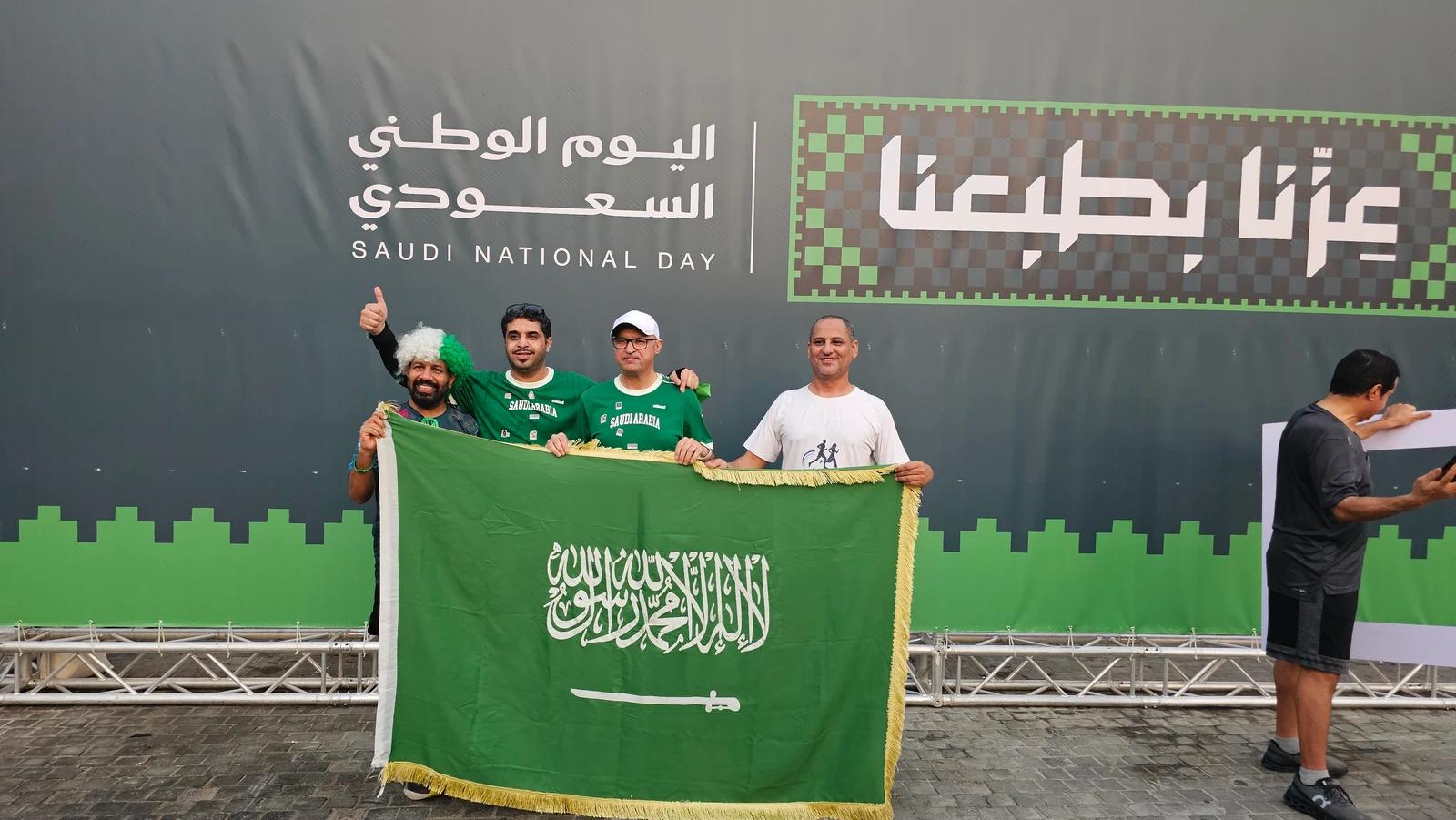
National Day makes those choices particularly visible.
On the same streets and at the same celebrations, clothes referencing different parts of the Kingdom can appear side by side. The result is not one national costume, but a display of the regional differences contained within a shared national identity.
That distinction also helps explain why younger Saudis can change how the pieces are styled without necessarily abandoning what they represent.
For Al-Dossari, there is no need to choose between her grandmother’s wardrobe and her own.
Sometimes it starts more simply: finding an old piece at home, asking who wore it, and deciding to wear it again.