- Officials say efforts are underway to finalize a long-planned agreement this year
- The deal could facilitate commercial cooperation, discounts and training exchanges
ISLAMABAD: Islamabad and Muscat are moving closer to finalizing a strategic maritime agreement to designate Pakistan’s Gwadar and Oman’s Sohar as sister ports that will pave the way for closer operational ties and expanded trade and investment opportunities, a Pakistani official said on Wednesday.
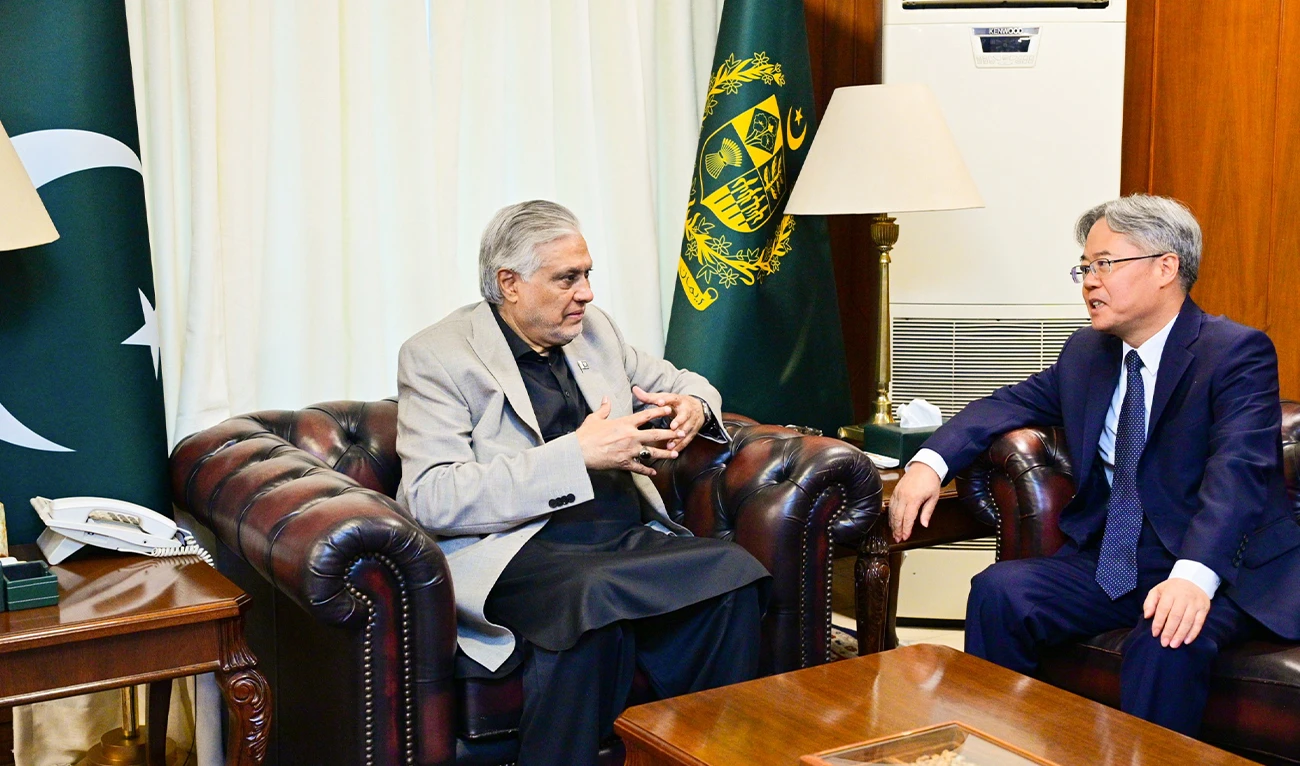
The development follows high-level discussions earlier this week between Gwadar Port Authority (GPA) Chairman Noor-ul-Haq Baloch and Oman’s Consul General Sami Abdullah Salim Al Khanjari.
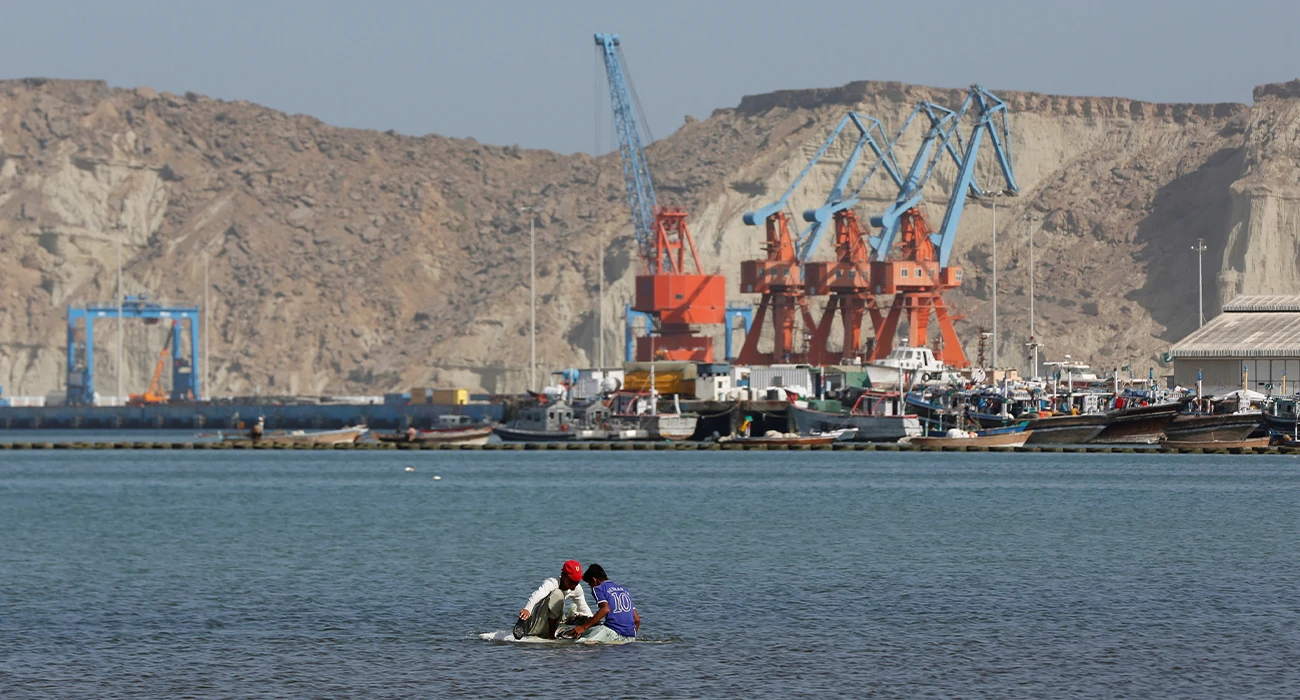
Located at the heart of the China-Pakistan Economic Corridor (CPEC) and close to the entrance of the Arabian Gulf, Gwadar has become a key component of Pakistan’s strategy to develop the country as a regional trade and transshipment hub.
In recent years, Pakistani authorities have stepped up efforts to operationalize the southwestern deep-water port, including measures aimed at routing selected imports through Gwadar and exploring new maritime corridors linking Pakistan with Gulf states.
“Actually, this was not an MoU (memorandum of understanding) in the sense that these recent discussions have taken place, but rather this is a process that has been going on for three years toward signing of the MoU,” GPA Chairman Baloch told Arab News.
“Since our government had approved it, some part of the process was pending, so I then met with the [Omani] consul general to explore further possibilities.”
Omani ports, particularly Sohar and Salalah, were “natural partners” for Gwadar as regional maritime trade corridors continue to evolve, according to Baloch.
“Since nowadays everyone wants every port to look for avenues for itself, we also wanted the ports of Oman, to build connections with them,” he said, adding that the purpose of the MoU is trade development.
He said Gwadar’s link with the multi-billion-dollar CPEC could provide an advantage to both sides.
“This will be for mutual benefits,” he said.
Both sides are now seeking to accelerate the process, with the aim of signing an agreement this year, according to Baloch.
The development coincides with Pakistan’s efforts to strengthen Gwadar’s role in regional maritime trade and expand commercial links with Gulf countries.
Baloch clarified that the initiative was part of a longer-term strategic vision and was not linked to disruptions or uncertainty surrounding shipping in the Strait of Hormuz due to the United States-Iran conflict.
Once formalized, he said, the agreement would facilitate greater trade and collaboration between the two ports, improve coordination and allow them to explore ways to share commercial opportunities.
Mohammed A. Rajpar, chairman of the Pakistan Ships Agents Association (PSAA), said the precise benefits would depend on the terms ultimately agreed upon by the two governments and port authorities.
“A lot of exchange takes place when a diplomat meets an official about the potential and future cooperation,” Rajpar told Arab News, adding that such arrangements generally covered an exchange of technical knowledge, training and commercial cooperation.
“First is the knowledge exchange about port operations. Second is mutual training of port officials. Third is if a shipping line is coming to Pakistan and Oman, the sister ports can collectively offer a discount to that particular line, this is called a commercial arrangement,” he explained.
“Fourth is the operational aspect in which sister ports give priority to each other’s ships.”