- Court orders university to restore classes and hostel access for Afghan students
- Lawyer says ruling covers 32 petitioners, pending confirmation in written court order
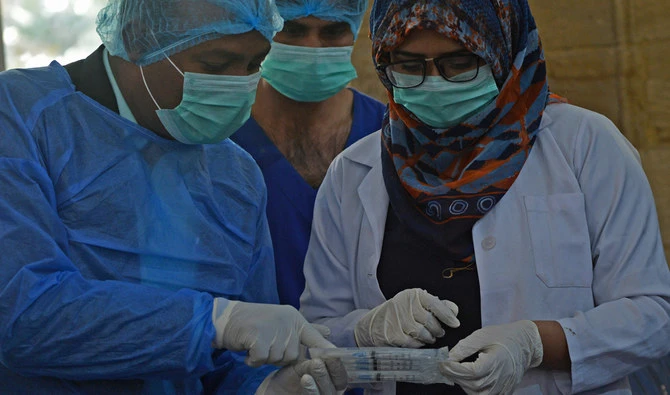
KARACHI: A court in Pakistan’s southern Sindh province ordered a medical university on Tuesday to let Afghan students return to classes, extending temporary protection for those challenging a national directive requiring them to go home.
The Pakistan Medical and Dental Council, which regulates medical education, told colleges this month to arrange for enrolled Afghan students to return to Afghanistan and barred new admissions or placements for Afghan nationals this academic year. Pakistan’s Foreign Office has said students with valid visas who are enrolled in recognized courses can complete their education, leaving uncertainty over how the regulator’s directive applies to them.
The dispute comes amid Pakistan’s campaign to return Afghan nationals, which began in 2023 with a deadline for undocumented foreigners to leave. Islamabad cites immigration enforcement and security concerns, with more than two million Afghans having returned from Pakistan since the campaign began, including people who left voluntarily and those deported. The legal status of the medical students challenging the directive must be assessed separately.
The Sindh High Court suspended the directive for students who challenged it on Sept. 14. At Tuesday’s hearing, their counsel said Jinnah Sindh Medical University had nevertheless stopped Afghan students from attending classes, disabled their biometric access and was moving to evict them from university hostels. The court ordered their access restored and said their education should not be disrupted before the next hearing.
“The earlier protection granted by the court remains in place. The students can continue their studies and the court has also protected them from being evicted from their hostels,” Advocate Iftikhar Shah, who represents some of the students, told Arab News.
Shah said the relief covered 29 students in one petition and three in another. He said the final number of petitioners should be checked against the written order, which had not been issued when he spoke to Arab News.
According to Shah, a lawyer for the medical regulator told the court on Tuesday it had not received copies of the petitions. The court directed that they be supplied and adjourned the case pending the regulator’s response, without setting a new hearing date.
Students and trainee doctors have also sought protection in other parts of Pakistan.
Courts in Punjab and northwestern Khyber Pakhtunkhwa have granted temporary relief in cases before them, while the Balochistan High Court dismissed a petition by Afghan nationals seeking to continue medical education and training.
An Islamabad court has separately protected an Afghan doctor undergoing postgraduate training. These rulings have not settled the status of Afghan medical students nationwide.
Some of the Sindh petitioners study under a Pakistani government scholarship for Afghan nationals. Two women who expect to graduate from a Karachi medical college in 2027 have argued that being required to leave before completing their degrees would end their studies. The stakes are particularly high for female students as Afghanistan’s Taliban authorities bar women from higher education, including medical training.