- Federal official says investors could upgrade or replace plant closed since 2015
- Sindh denies obstructing revival, demands protection for industrial land, workers
KARACHI: Pakistan is seeking local or foreign investors to revive its long-closed state steel mill, a senior finance ministry official told Arab News on Tuesday, as the federal government and Sindh province disagree over how to restore the plant.
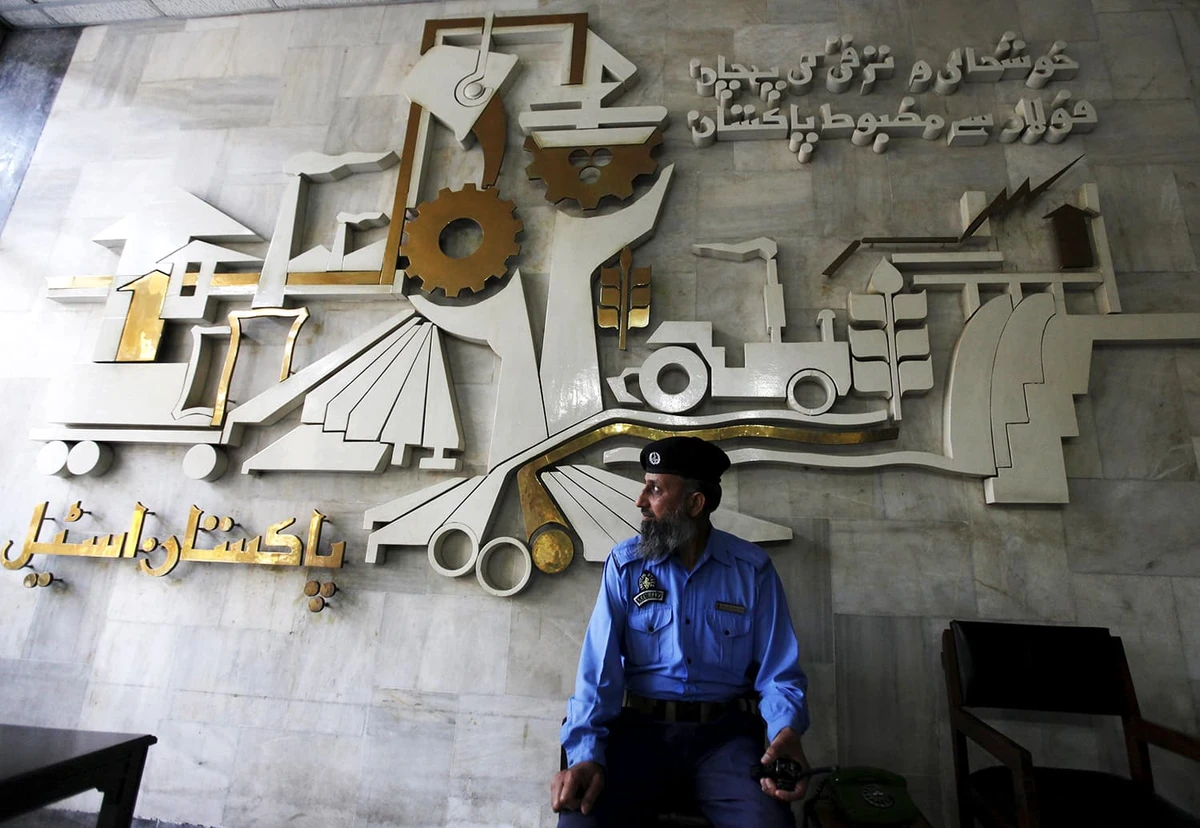
Built with Soviet assistance in the 1970s, Pakistan Steel Mills stopped producing steel in 2015. Islamabad previously considered liquidating the mill before returning to a revival plan, while the plant continued to incur costs despite its closure.
Pakistan Steel Mills and a Russian company signed agreements in 2025 to examine modernization and the cost of restarting production. In February, the industries ministry said five companies had expressed interest in investing, but no completed investment deal has been announced.
A finance ministry official, who requested anonymity because he was not authorized to speak publicly, said an investor could upgrade the existing plant or build a replacement. He said Russian investors remained interested but blamed a lack of agreement between the federal and Sindh governments for holding up progress.
“Defending the constitutional land rights of the province and protecting the livelihoods of thousands of workers is not creating a hurdle, it is responsible governance,” Sindh government spokesperson Nadir Nabil Gabol told Arab News, rejecting the official’s account.
Sindh is governed by the Pakistan Peoples Party, an ally of Prime Minister Shehbaz Sharif’s government at the federal level. The province says land it provided for the mill must continue to serve an industrial purpose.
“It was not handed over to be treated as federal real estate, nor to be parceled off or sold to bridge federal fiscal deficits,” Gabol said.
Federal and Sindh officials have previously discussed preserving about 700 acres for either the existing mill or a new one, while developing other land at the site as an industrial zone. Sindh has sought a role in decisions about the plant’s future. The finance ministry official did not identify a specific proposal the province had rejected.
Gabol attributed the mill’s closure and continuing losses to past mismanagement, delayed upgrades and inconsistent federal policies. He said any future plan must protect steelmaking at the site, Sindh’s land rights, and workers’ outstanding dues, pensions and livelihoods:
“The Government of Sindh envisions transforming the PSM site into a modern industrial and economic zone, potentially leveraging a transparent Public-Private Partnership (PPP) framework.”
The unresolved decision carries a continuing financial cost. The mill lost Rs79.3 billion ($286 million) over the past three fiscal years, according to Ministry of Industries figures reported by The Express Tribune on Tuesday. About Rs57.4 billion ($207 million) of that amount was interest on existing debt.
The mill recorded a loss of Rs24 billion ($87 million) in fiscal 2025-26 alone, according to the same ministry figures. An official monitoring unit has recommended restructuring its debt, warning that the liabilities could hinder efforts to attract investment.
Finance adviser Khurram Schehzad and spokespersons for the industries and privatization ministries did not respond to Arab News requests for comment on the revival plan and the mill’s losses.