- Muhammad Aurangzeb called for development-oriented global financial architecture to help developing nations
- The minister plans more Chinese panda bonds, considers Japanese market and eventual exit from IMF assistance
KARACHI: Pakistan on Tuesday called for reforms to the international financial system to make it more responsive to developing economies and ensure fairer representation in global financial institutions, as its finance minister outlined plans to diversify funding through Asian bond markets and eventually reduce reliance on International Monetary Fun (IMF) assistance.
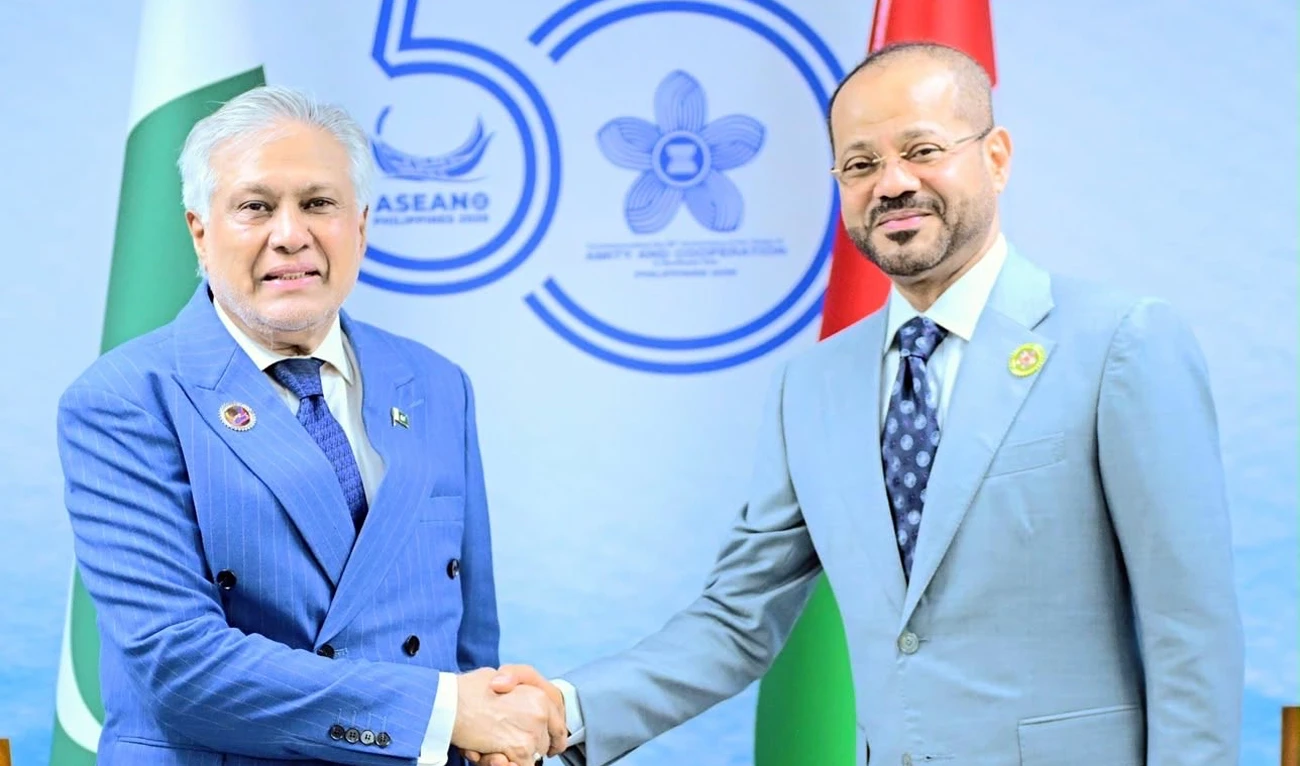
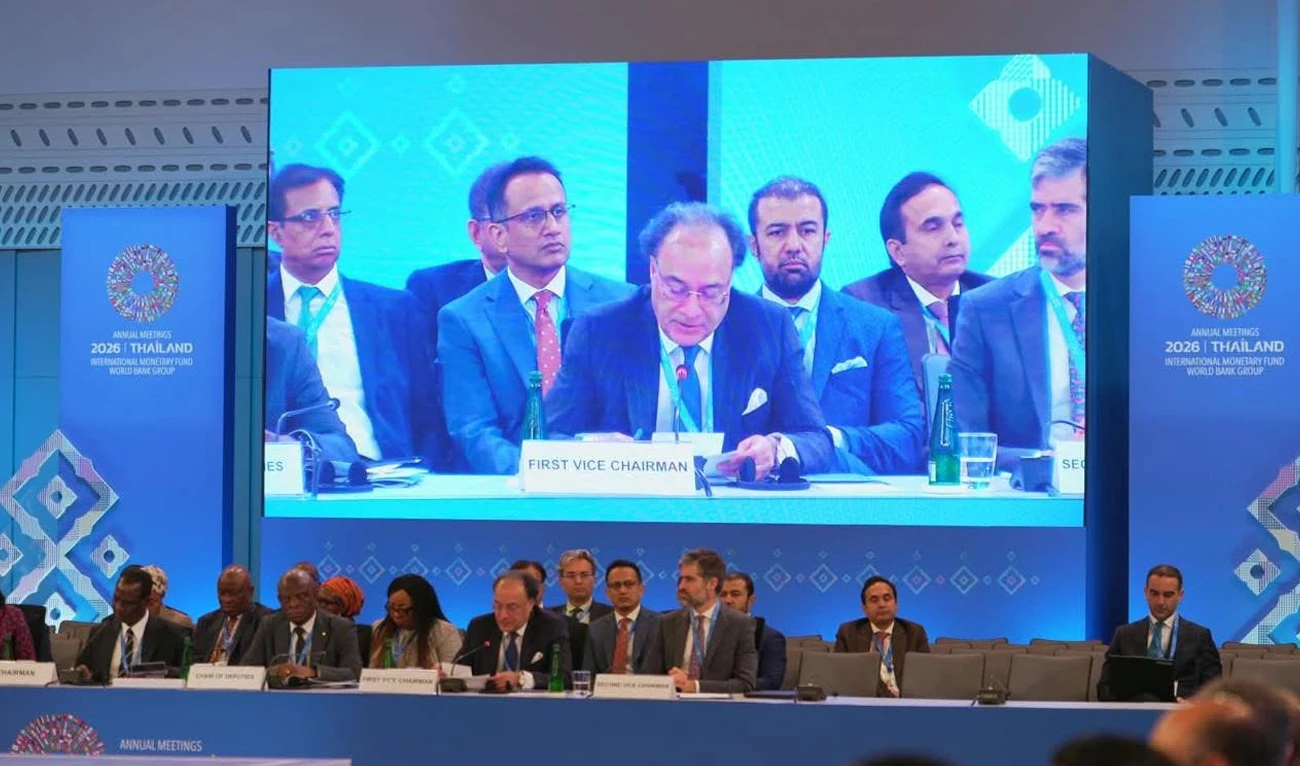
Finance Minister Muhammad Aurangzeb made the appeal at a meeting of the Group of 24 (G-24) finance ministers and central bank governors in Bangkok, where he is currently visiting to attend the annual meetings of the International Monetary Fund (IMF) and World Bank from Oct. 12-18.
The G-24, a grouping of developing economies from Africa, Asia, Latin America and the Caribbean, coordinates their positions on international monetary and development finance issues, particularly in discussions with the IMF and World Bank.
“The Finance Minister outlined three priorities for the G-24 focused on restoring development as the central objective of the international financial system, making the Bretton Woods institutions more representative and responsive, and building a development-oriented international financial architecture,” the Finance Division said in a statement issued on Tuesday.
Aurangzeb, who addressed the meeting as the G-24’s first vice-chair, also called for timely financial support for countries undertaking difficult economic reforms while confronting external shocks beyond their control, according to the statement.
He highlighted the challenges facing developing economies, including fragmentation disrupting trade and investment, climate shocks eroding development gains, restrictive financial conditions and widening financing gaps.
The minister stressed that reforms to the international financial architecture must keep pace with these challenges, particularly as developing countries struggle to sustain growth and manage debt amid increasingly volatile global economic conditions.
Pakistan is set to assume the G-24 chairmanship, giving Islamabad a greater role in coordinating developing countries’ positions on global financial governance at a time when many face mounting debt burdens and limited access to affordable financing.
Aurangzeb appreciated Nigeria’s leadership of the grouping and reaffirmed Pakistan’s commitment to strengthening its collective influence and ensuring that the concerns of the Global South translate into concrete outcomes.
DIVERSIFYING FINANCING
In a separate interview with Nikkei Asia published on Tuesday, Aurangzeb said Pakistan was looking to diversify its external financing sources, including through further issuance of yuan-denominated panda bonds and potentially tapping Japan’s market for yen-denominated samurai bonds.
Pakistan issued its first panda bond worth 1.75 billion yuan ($261 million) in May as part of a broader 7.2 billion yuan program, with partial guarantees from the Asian Development Bank and Asian Infrastructure Investment Bank.
Aurangzeb said the inaugural issuance would not be a “one-time issuance” and that Pakistan intended to “keep going back and be a repeat issuer,” describing China as the “second largest and deepest capital market in the world.”
“We do not want to increase the quantum of our external debt,” he told Nikkei Asia, while expressing interest in expanding Pakistan’s access to international capital markets.
On the possibility of issuing samurai bonds in Japan, the minister said the option “would make sense,” but cautioned that further assessment was needed.
“We need to do more homework,” he said.
The minister also expressed confidence in Pakistan’s ongoing IMF-backed reforms, saying the country would eventually graduate from the Fund’s assistance once international investors were convinced it no longer needed emergency financial support.
“We’re in good shape with respect to the program itself, which in turn helps us with our discussions with rating agencies and investors,” Aurangzeb told Nikkei Asia.
Pakistan would graduate from IMF assistance once the “rest of the world becomes convinced that we don’t need the lender of last resort,” he added.
Pakistan has made progress in rebuilding foreign exchange reserves, containing inflation and restoring investor confidence under the IMF-backed reforms, though its economy remains vulnerable to external shocks, particularly higher energy prices and disruptions to international trade.