- Government says domestic sources provided 72 percent of electricity generated in August
- Asian LNG prices have surged as US-Iran war disrupts supplies through key waterway
ISLAMABAD: Pakistan avoided around Rs10.6 billion ($38 million) in additional power costs in August by increasing its reliance on domestic energy and securing additional local gas as the Hormuz crisis disrupted LNG supplies and sent spot prices soaring, the power division said this week.
The disruption comes amid the months-long US-Iran war, which has severely curtailed shipping through the Strait of Hormuz, a waterway that handled around a fifth of global oil and LNG supplies before the conflict. Visible ship crossings fell to just four on Tuesday, compared with around 125 a day before the war, while Asian spot LNG prices have risen from around $10 to nearly $30 per unit since the conflict disrupted Middle Eastern supplies.
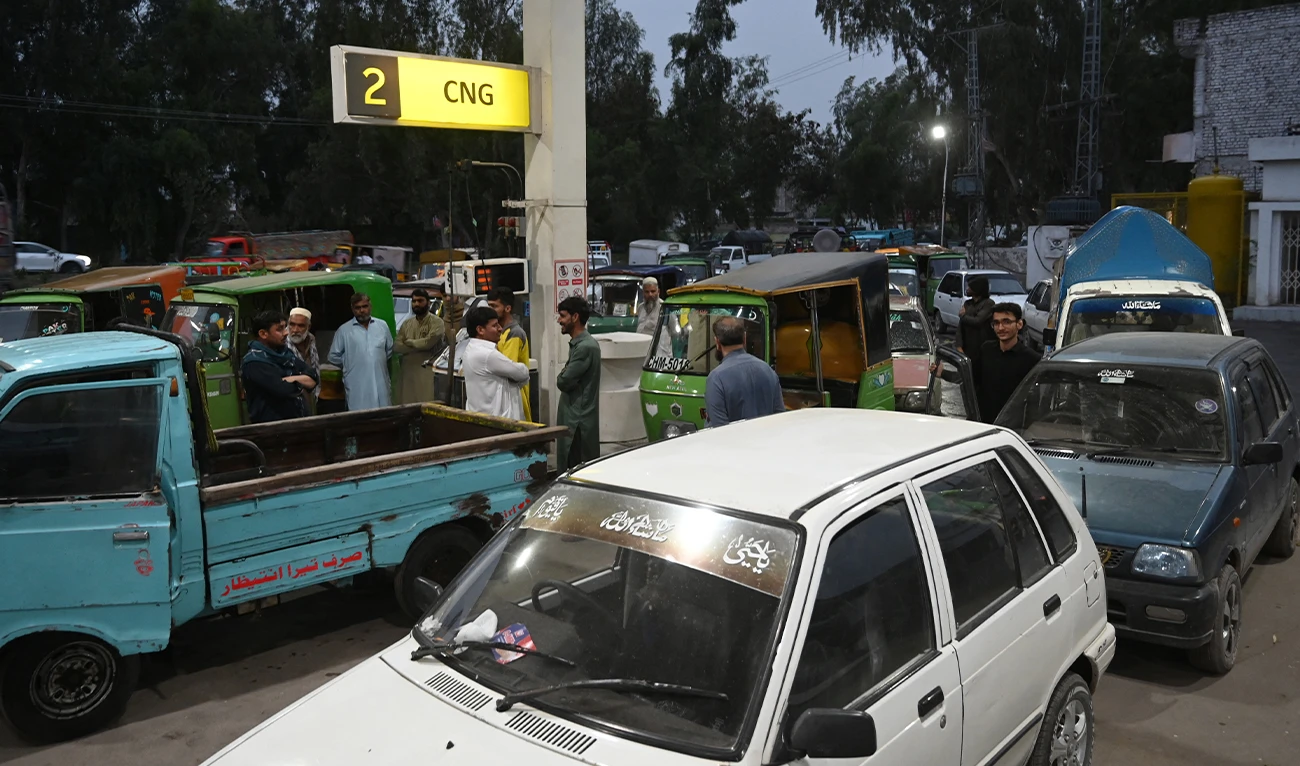
Pakistan relies on imported fuels, including LNG, for part of its electricity generation, leaving the country exposed to global price and supply shocks. The power division said disruptions to LNG supplies had pushed spot cargo prices to $23-$25 per million British thermal units, making purchases prohibitively expensive for the power sector.
The government said 72 percent of its electricity generation in August came from domestic sources, led by hydropower, local coal, nuclear energy and locally produced gas, while imported coal and regasified LNG accounted for the remaining 28 percent.
“If the domestic gas had not been available, the power sector would have faced an additional hour of load shedding,” the power division said in a statement on Tuesday.
“Moreover, generation through furnace oil or imported RLNG would have increased consumer tariffs by approximately Rs. 10.6 billion.”
The statement said Pakistan secured additional domestic gas for power generation rather than buying expensive spot LNG, while consumers also endured several hours of nighttime load management as authorities sought to contain generation costs.
Power Minister Awais Leghari was quoted in the statement as saying the measures helped bring the fuel cost adjustment for August down to Rs1.73 ($0.0062) per unit from Rs2.0851 ($0.0075) in July.
The adjustment is a monthly mechanism through which changes in the cost of fuels used to generate electricity are passed on to Pakistani consumers.