- Goods exports grow by 8.8 percent year-on-year from $10.4 billion in same period last year, says government
- Cites reduced taxes, faster export refunds and support for micro enterprises as reasons for record surge
ISLAMABAD: Pakistan’s good exports reached an all-time high of $11.4 billion during the first four months of the current fiscal year, the government said on Sunday, crediting the move to its interventions such as reduced taxes, refunds and support for small and medium enterprises.
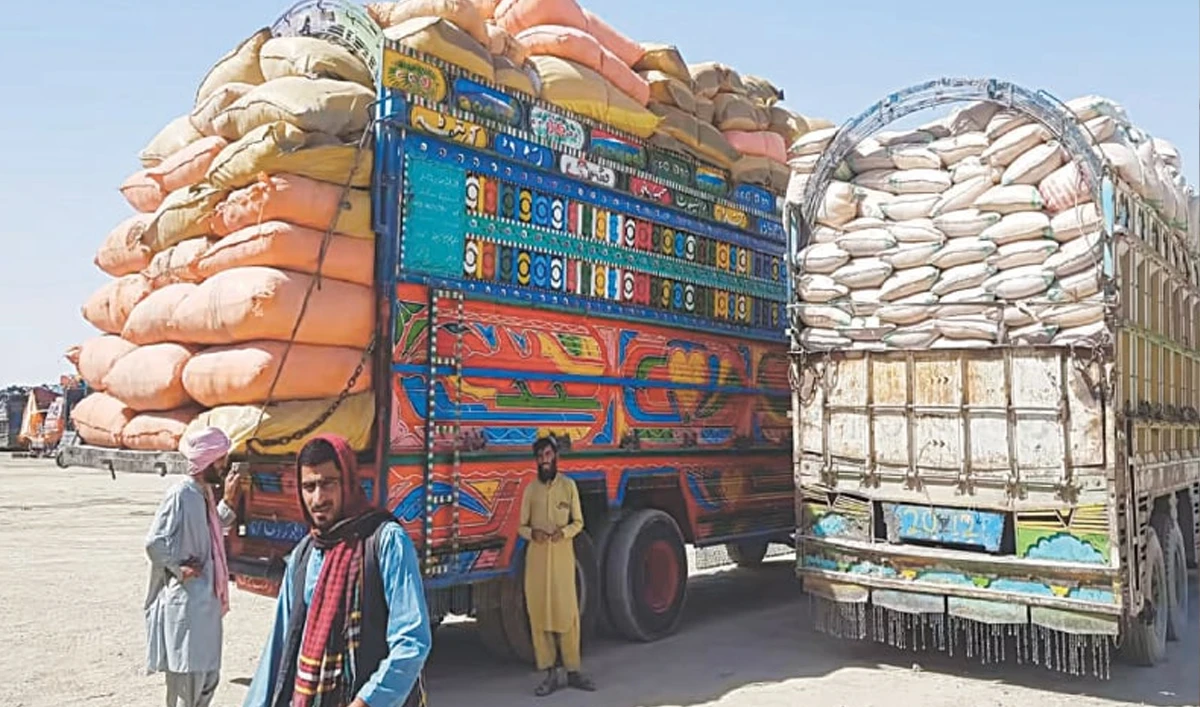
Goods exports are tangible products manufactured or produced in a country that are sold to buyers in another. Prime Minister Shehbaz Sharif has tasked authorities to ensure Pakistan’s exports reach $60 billion by 2029.
Pakistan’s government wrote on social media platform X that goods exports reached $11.4 billion from July to October 2026, achieving an 8.8 percent year-on-year growth from $10.4 billion in the same corresponding period last year.
“This record performance reflects the impact of the measures introduced by Prime Minister Shehbaz Sharif in the federal budget, alongside a coordinated approach by the finance team and government institutions to strengthen export and facilitate businesses and industry,” the government said.
The government credited the record rise in exports to key measures included in the FY27 budget, such as reduced taxes and surcharges for businesses and industry, particularly exporters.
It said faster tax refunds, better utilization of export development funds, enhanced concessional export financing and dedicated financing support for small-and-medium exporters, with a particular focus on micro and small enterprises, were also reasons for the record increase in goods exports.
“These targeted interventions, coupled with coordinated institutional efforts, are helping create a more enabling business environment and strengthen Pakistan’s export capacity despite persistent regional and global challenges,” the statement added.
The government said it remains committed to further facilitating businesses, industry and investors through a more competitive policy environment, improved access to finance and sustained structural reforms.
Pakistan has sought to increase its exports worldwide and increase regional trade and connectivity as it seeks to reduce reliance on bilateral and multilateral creditors.