- Pakistan suspended provincial government in northwest province on Sunday, accusing it of failing to tackle militancy
- Development takes place a day after Senate and National Assembly separately approved imposition of emergency rule
ISLAMABAD: Pakistan’s President Asif Ali Zardari has summoned a joint session of both houses of parliament today, Thursday, his office said in a statement, with the National Assembly and Senate expected to ratify the imposition of emergency and governor’s rule in northwestern Pakistan as political tensions soar.
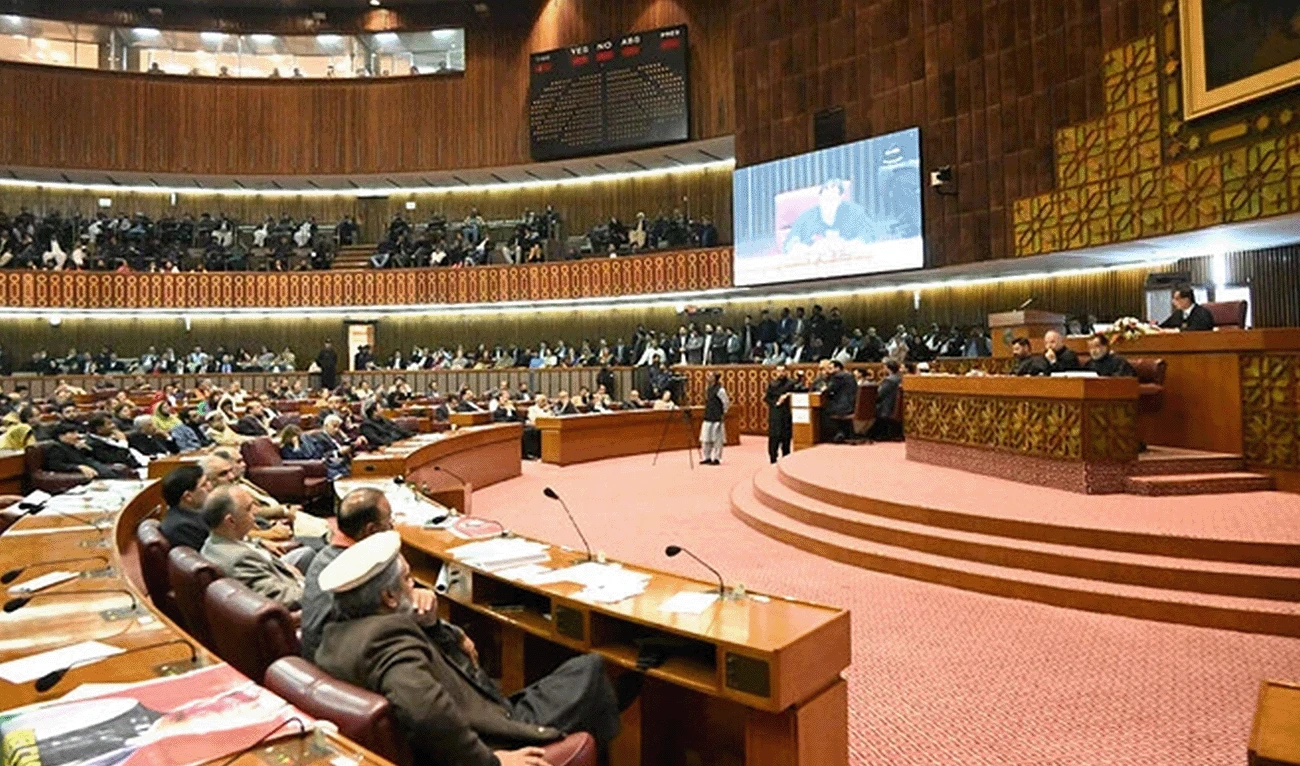
The development takes place a day after the National Assembly and Senate, in separate sessions, approved the president’s move to impose emergency in Khyber Pakhtunkhwa (KP) province on Sunday. The center suspended the government in KP gave charge of the province to the governor, accusing the opposition Pakistan Tehreek-e-Insaf (PTI)-led provincial government of failing to address surging militant attacks.
“The president of the Islamic Republic of Pakistan, Mr. Asif Ali Zardari, has summoned a Joint Sitting of Majlis-e-Shoora (Parliament) on Thursday, the 15th October, 2026, at 11:00 a.m. in the Parliament House,” a statement issued by the National Assembly said.
Zardari imposed the emergency under Articles 232 (Proclamation of emergency on account of war, internal disturbance, etcetera) and 234 (Power to issue proclamation of governor’s rule in case of failure of constitutional machinery). Speaking to a private news channel on Wednesday evening, Federal Minister for Parliamentary Affairs Dr. Tariq Fazal Chaudhry said approval of emergency under Article 232 is given separately by both houses of parliament, while its ratification is provided by a joint session of parliament.
He also clarified that approval of governor’s rule, under Article 234, is given by a joint session of parliament. The minister added that the governor’s rule will be enforced for a period of two months, and after its extension, the maximum duration will be six months.
Defending the proclamation during Wednesday’s debate in the National Assembly, Law Minister Azam Nazeer Tarar said the government had acted because of internal disturbances and the provincial administration’s failure to address the growing militant threat.
He told lawmakers that over 3,787 militant incidents had been recorded in KP over the past year, arguing that the provincial government had focused on political activities rather than counterterrorism.
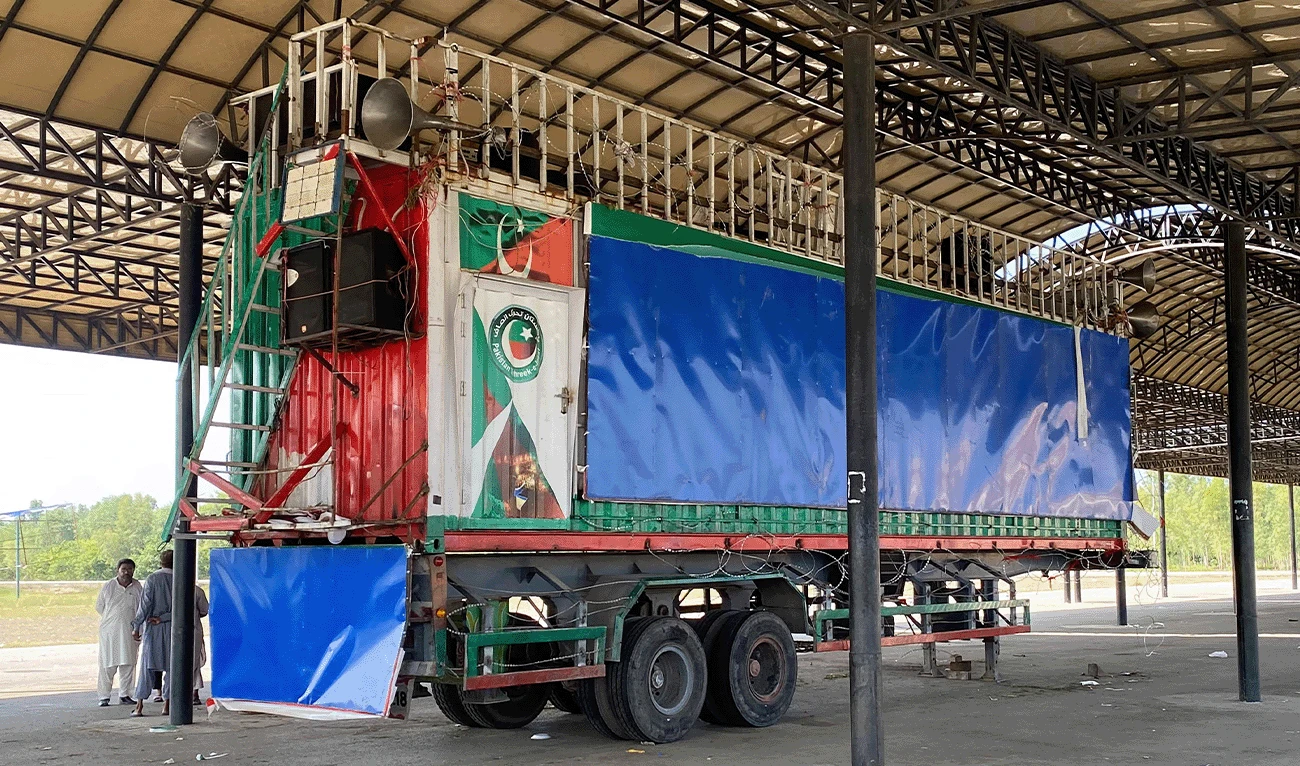
The emergency was imposed as thousands of Khan supporters were marching toward the capital to press the government for his release from prison. The jailed former premier has been in prison since 2023 on charges ranging from sedition to corruption, all of which he and his party deny.
Pakistan Peoples Party Chairman Bilawal Bhutto-Zardari also defended the decision to impose emergency on Wednesday, saying the government had tried to avoid imposing emergency rule but had been left with no alternative because of the province’s security situation.
The opposition has challenged the constitutional basis of the proclamation, arguing that it undermines provincial autonomy and the mandate of an elected government.
Meanwhile, clashes have been reported between Khan supporters and the police ever since emergency was imposed and army troops were deployed in the northwestern province.
International wire agency AFP cited police officials as saying this week that authorities have arrested over 270 members of Khan’s PTI party since the province was placed under governor’s rule.
The government has also confirmed that dysfunctional KP Chief Minister Sohail Afridi, who was leading the PTI march to the capital, has also been placed under “preventive custody.”