- Pakistan is currently heavily dependent on imported edible oils
- Country already has over 7 million olive trees planted across 55,700 acres
KARACHI: Pakistan plans to provide two million olive saplings and bring another 15,000 acres under cultivation over the next three years as it seeks to expand domestic edible oil production and reduce reliance on costly imports, the government said on Tuesday.
Pakistan imports most of the edible oil it consumes, leaving the country exposed to international commodity prices and adding billions of dollars annually to its import bill. Palm oil, the country’s dominant imported edible oil, cost Pakistan a record $3.8 billion in the fiscal year that ended in June.
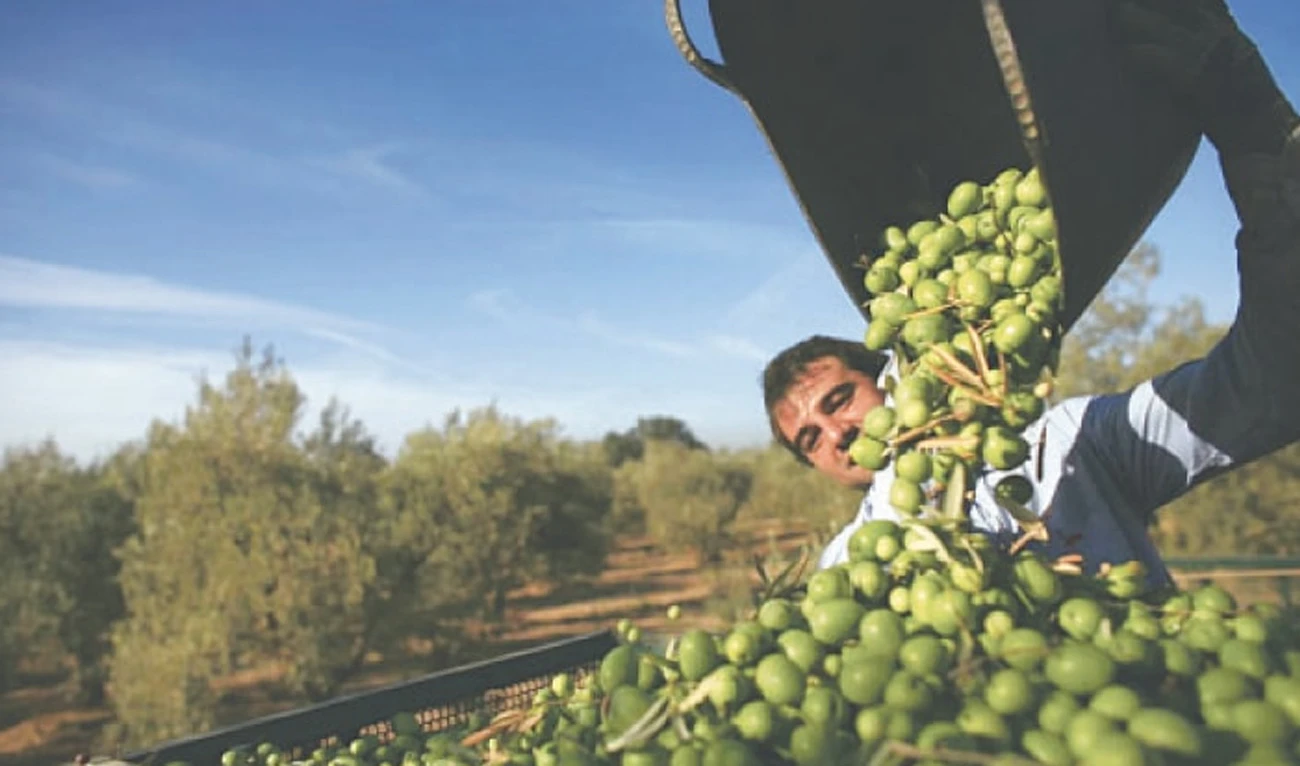
Olive cultivation remains small by comparison but has expanded significantly under government-backed programs aimed at developing suitable land, particularly in Punjab’s Potohar region and parts of Balochistan and Khyber Pakhtunkhwa. More than seven million olive trees have been planted across around 55,700 acres, according to government figures.
The latest expansion targets were presented at a meeting of the government’s Olive Culture Project chaired by National Food Security Minister Rana Tanveer Hussain, according to a statement from his ministry.
“The project plans to bring 15,000 acres under olive cultivation over three years,” the ministry said in a statement after the meeting. “Two million olive saplings will be provided over the next three years.”
The expansion would increase Pakistan’s existing olive acreage by more than a quarter if the 15,000-acre target represents additional cultivation. The government did not specify in its statement which regions would receive the new saplings or how much funding had been allocated for the three-year plan.
Pakistan’s olive oil industry is still in its early stages. The International Olive Council estimated the country produced around 1,500 tons of olive oil in the 2024-25 crop year, while importing approximately 3,500 tons and consuming about 5,000 tons.
That is a fraction of Pakistan’s wider edible-oil requirements. The country imported 3.48 million tons of palm oil alone in the 2025-26 fiscal year, underscoring the scale of its dependence on overseas supplies.
Hussain said expanding plantations alone would not be enough and called for investment across the olive value chain, including processing, extraction, storage, testing and marketing.
He directed officials to ensure extraction and post-harvest facilities were available in every olive-growing cluster and called for greater private-sector participation in the industry, according to the ministry.
The minister also said Pakistan needed to make better use of the olive-growing potential of Potohar, a plateau covering parts of northern Punjab that has been a major focus of government efforts to develop a domestic olive industry.
Pakistan has built 51 olive oil extraction units and four quality-testing laboratories aligned with International Olive Council standards, according to government figures. It became a full member of the Madrid-based council, the world’s intergovernmental body for olive oil and table olives, in May this year.