- Mohsin Naqvi arrives in Tehran amid escalating US-Iran tensions in Middle East region
- Iran’s top negotiator said Sunday Tehran had conveyed its conditions to reopen Strait of Hormuz
ISLAMABAD: Pakistan’s Interior Minister Mohsin Naqvi on Monday discussed regional developments and bilateral ties with his Irani counterpart Eskandar Momeni, the interior ministry said, as Islamabad reinvigorates diplomatic efforts to mediate between Washington and Tehran.
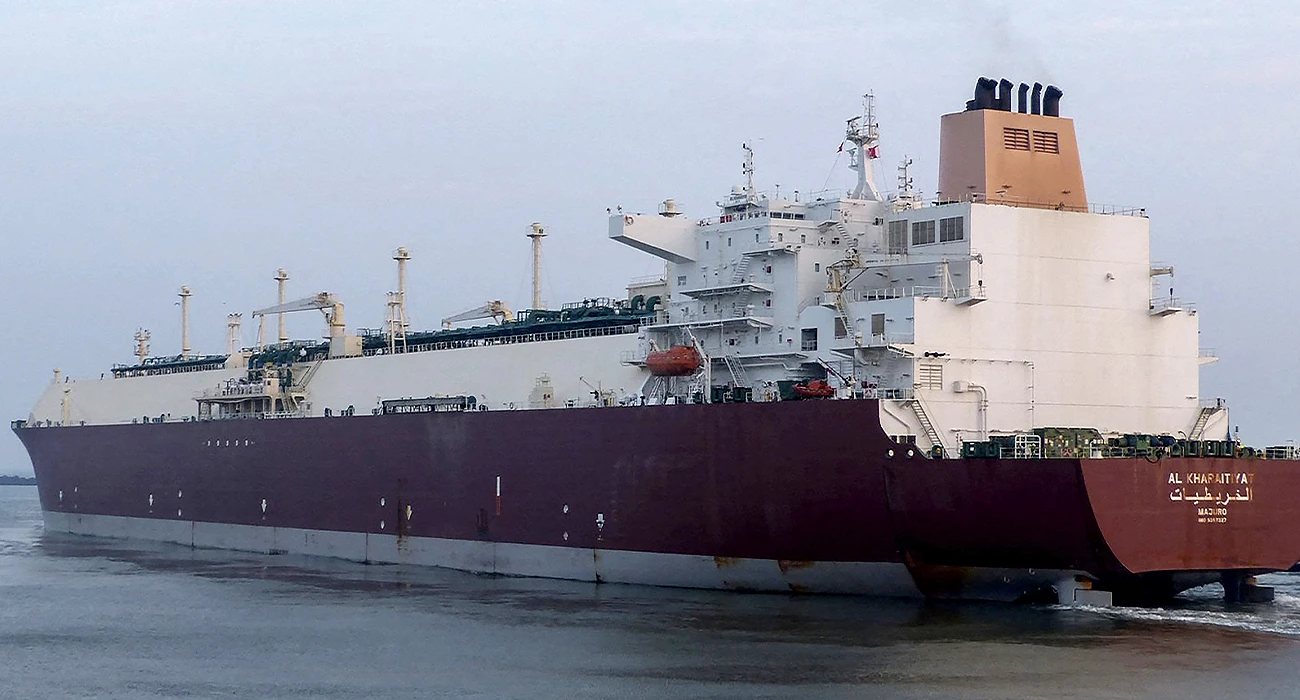
Naqvi arrived in Tehran on a two-day visit on Monday afternoon to meet Iran’s leadership. His visit takes place as the US and Iran are locked in a stalemate, months into a conflict that began with Washington attacking Iran in February. Tehran has since maintained a stranglehold on the Strait of Hormuz, a vital shipping route for the world’s oil and gas, while Washington is pushing a campaign to choke the Islamic republic’s ports and economy.
Naqvi held talks with Momeni after landing in Iran on Monday. The Irani interior minister thanked Pakistan for its diplomatic efforts for peace in the region, the Pakistani interior ministry said.
“The two sides discussed Pakistan-Iran bilateral relations and the latest developments in the region,” the ministry said.
It added that the talks also focused on progress and ongoing cooperation between their interior ministries in various areas.
“We are grateful for Pakistan’s continued efforts to promote peace in the region,” Momeni was quoted as saying in the statement.
MIDDLE EAST TENSIONS
Tensions between the US and Iran in the Middle East have spread to other countries over the months. Tehran has responded to Washington’s attacks by targeting US bases in the Gulf, as well as civilian and economic interests in its neighborhood.
Meanwhile, Yemen’s Iran-aligned Houthis have also attacked southern Saudi Arabia with drones and missiles this month, injuring dozens of people, damaging energy-related facilities and opening another front in the broader conflict.
While talks remain suspended between the US and Iran so far, the two sides have maintained contact. Iran’s top negotiator said on Sunday that Tehran had conveyed to Washington through mediators its conditions for reopening the strategic Strait of Hormuz.
“Our messages and the explanation of our conditions have been clearly conveyed to the other party through mediators,” said Iranian parliament speaker Mohammad Bagher Ghalibaf, who has acted as chief negotiator in talks to end the war.
“As long as the conditions are not met... and the US commitments are not honored, it will be impossible to return to the situation from before the negotiations and to an open strait,” he added, according to state television.
Pakistan emerged as a key mediator in the US-Iran war, hosting rare, direct talks between the parties and helping reach an interim peace deal in June. However, the peace deal quickly fell apart, and both sides resumed attacks against each other in the Middle East.
Islamabad has repeatedly urged a return to the US-Iran interim agreement, maintaining that dialogue and diplomacy were the only way to resolve the months-long conflict.