- Bermuda-flagged tanker Shandong Redwood, carrying Qatari gas, due at Port Qasim on Sept. 23
- Shipment comes as Middle East conflict continues to disrupt traffic through Strait of Hormuz
ISLAMABAD: A tanker carrying liquefied natural gas (LNG) from Qatar has crossed the Strait of Hormuz and is heading for Pakistan, the country’s petroleum minister said on Monday, as Islamabad bolsters its energy supplies amid tensions in the Middle East.
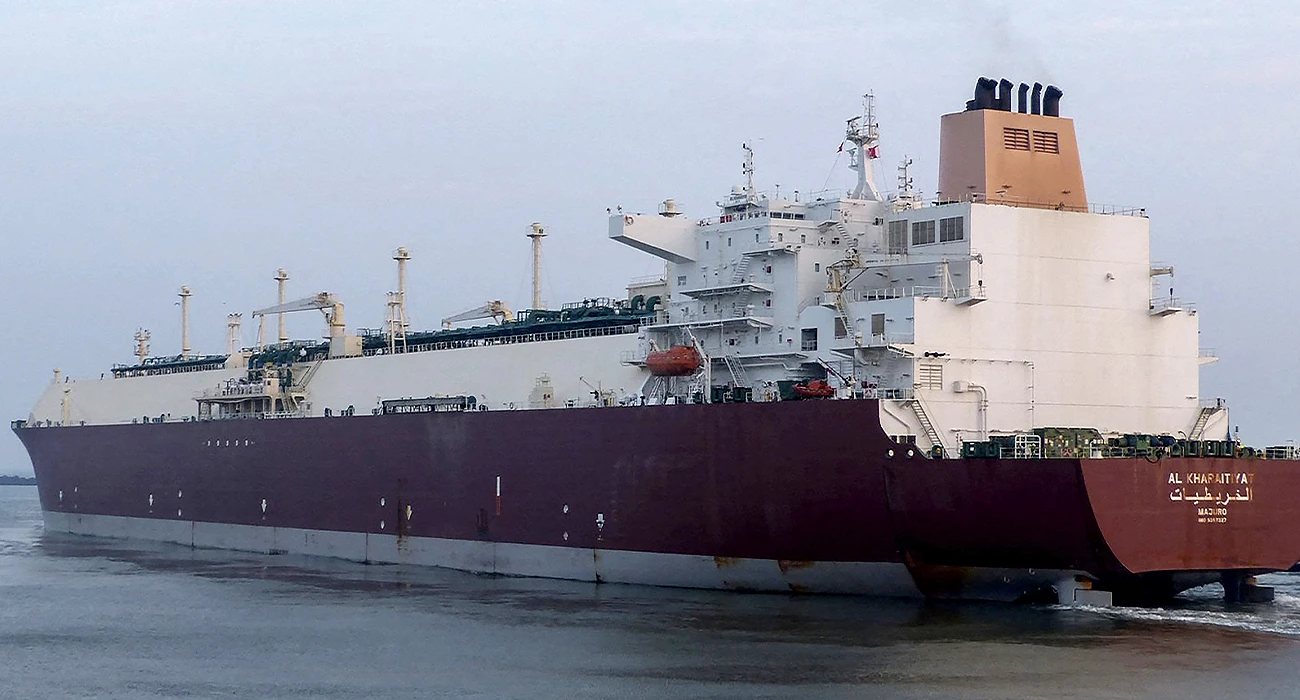
The Bermuda-flagged Shandong Redwood is scheduled to dock at Karachi’s Port Qasim on Sept. 23, according to an official at the Port Qasim Authority who declined to be named, and real-time data from ship-tracking platforms VesselFinder and MarineTraffic. The 283-meter vessel was moving through the Arabian Sea at 7 knots with a draft of 11.5 meters.
“Yes, the tanker taking LNG is on its way to Karachi,” Petroleum Minister Ali Pervaiz Malik told Arab News, when asked whether the vessel had crossed the strait. He declined to give further details.
The transit comes as shipping through the strait remains severely disrupted by hostilities between Iran and the United States (US). Tehran has largely restricted commercial traffic through the waterway since military clashes escalated early this year, triggering global supply shocks and driving up energy prices.
Pakistan’s interior minister, Mohsin Naqvi, is in Tehran this week for talks with senior Iranian officials aimed at easing tensions.
The tanker left Qatar’s Ras Laffan export terminal on June 28 and was anchored at Al Hamriyah in the United Arab Emirates from Sept. 7 before making its final transit, according to the vessel’s Automatic Identification System (AIS) positioning data available online.
It is the tenth LNG cargo Pakistan has received since April, including one delivered earlier this month.
Pakistan relies heavily on Qatari LNG to run its power grid. During the high-demand season, it needs four to five cargoes a month to keep about 5,000 megawatts of LNG-fired generation running. Disrupted deliveries have strained the grid, forcing authorities to impose rolling blackouts of up to 12 hours.
Natural gas accounts for roughly 17 percent of Pakistan’s power generation, alongside coal, hydropower and nuclear energy.
Islamabad, which maintains diplomatic ties with both Washington and Tehran, has repeatedly called for de-escalation in the Middle East to protect sea lanes and regional trade routes.