- It says it has ‘no information or record’ of reported internal inquiry mentioned by a local channel
- Foreign Office says it processes up to 18,000 attestations daily, defends digital reforms to system
ISLAMABAD: Pakistan’s Foreign Office on Thursday rejected as “unverified and baseless” reports that an internal inquiry had uncovered alleged irregularities involving Rs12 billion ($43 million) collected from citizens through unofficial channels for document attestation.
The Foreign Office authenticates Pakistani documents for recognition and use abroad, including educational qualifications, birth and marriage certificates, powers of attorney and commercial documents.
Local media reported this week that a four-member internal inquiry committee had identified an alleged network collecting unauthorized payments from people seeking such attestations, with the purported findings submitted to the Foreign Secretary’s Office in July.
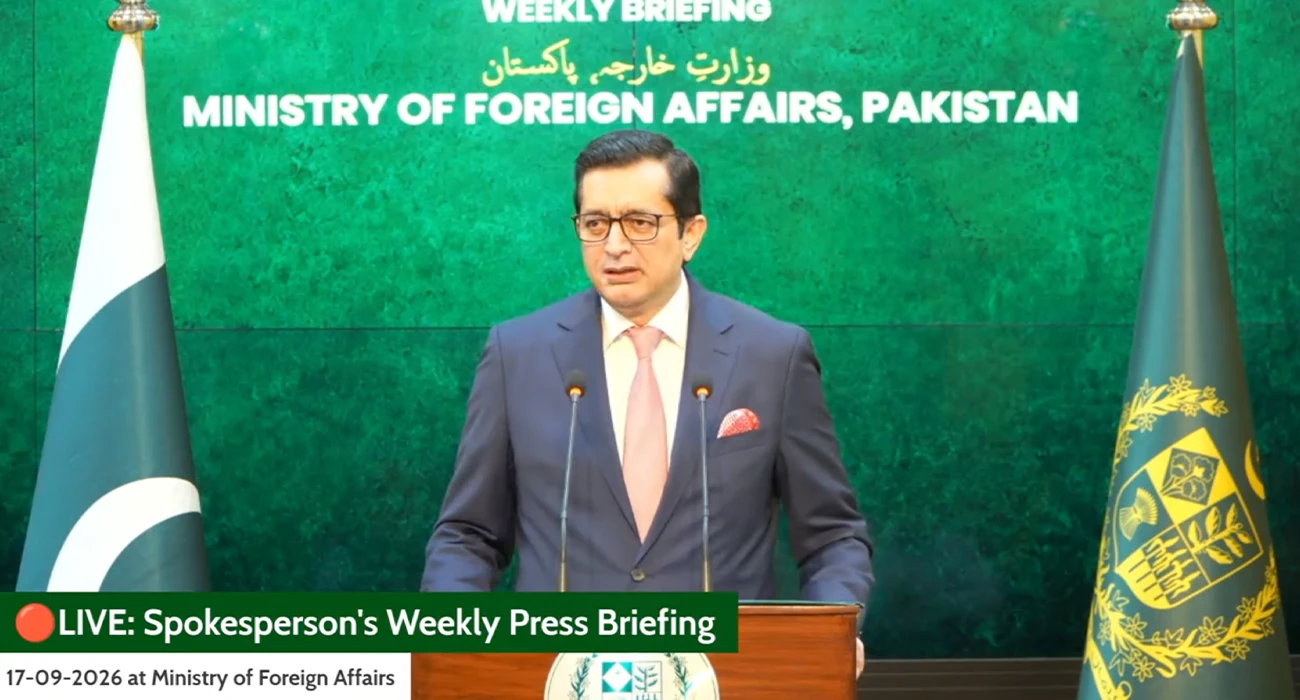
“The Foreign Office has no information or record pertaining to the so-called inquiry that you are referring to,” Foreign Office spokesperson Sajjad Haider Khan told reporters at a weekly briefing in Islamabad.
“While the Ministry believes in transparency and accountability, we strongly reject such unverified and baseless claims.”
The spokesperson was responding to questions about a Geo News report that said an internal Foreign Office inquiry had found Rs12 billion was illegally collected from citizens in one year and that the purported four-member inquiry had identified officials allegedly connected with the network.
The allegations have not been independently verified.
Questions about the reported inquiry came alongside complaints from journalists at Thursday’s briefing about technical problems with online and apostille attestation and allegations that agents operating outside the ministry were charging applicants to expedite the process.
The spokesperson defended the ministry’s attestation system, saying between 17,000 and 18,000 documents were processed every day at the ministry and its four camp offices.
He said the Foreign Office had introduced QR codes and courier services to facilitate applicants, digitized the verification of powers of attorney and integrated its database with the Higher Education Commission and Inter Boards Coordination Commission.
The ministry had also introduced evening shifts to cope with demand, he said.
The spokesperson said the system had substantially reduced the financial and logistical burden on Pakistanis, particularly the more than 10 million citizens living abroad.
He acknowledged that applicants could still face difficulties because of the volume of requests but said the ministry was working to improve the system.
The spokesperson said the Foreign Office had generated Rs3.4 billion through the system over the past two years and that documentation and payments were processed electronically rather than through cash transactions.