- Petrol falls to Rs389.03 ($1.40) per liter and diesel to Rs404.97 ($1.46) from Tuesday
- Hormuz disruption continues to strain supplies as Pakistan offers targeted fuel relief
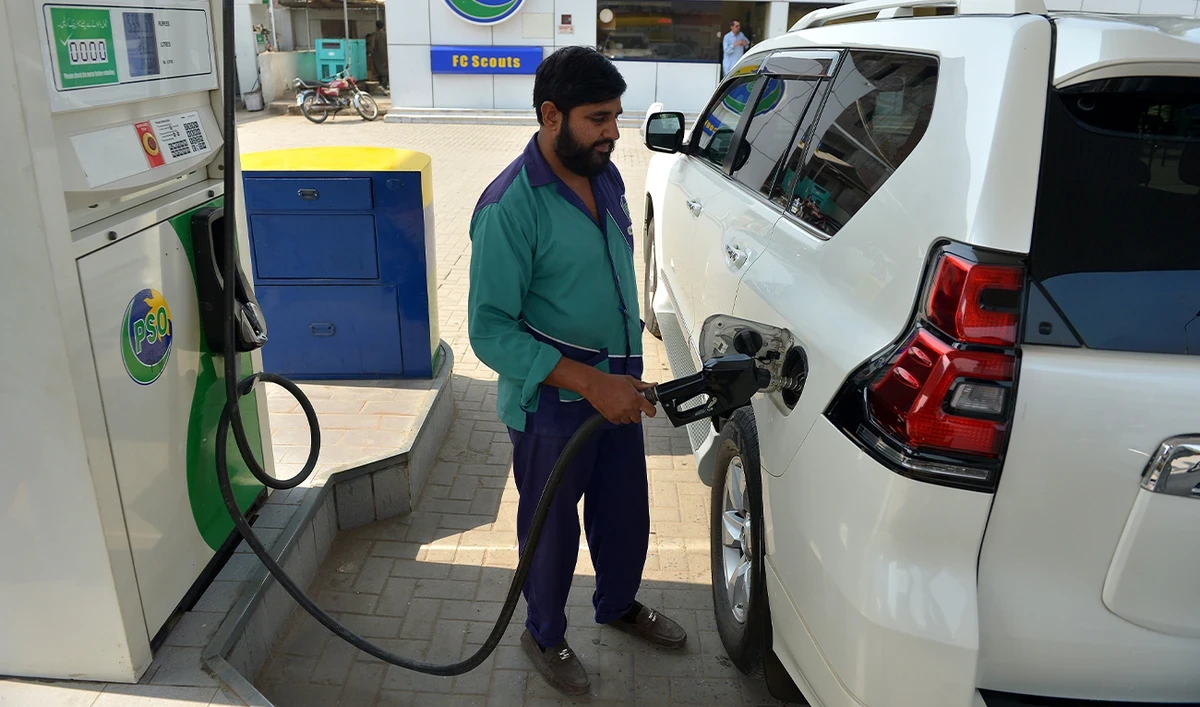
KARACHI: Pakistan has cut petrol and diesel prices for Tuesday, but both remain far above their pre-US-Iran war levels as disrupted shipments through the Strait of Hormuz continue to affect the country’s fuel costs.
Petrol will fall by Rs2.27 to Rs389.03 ($1.40) per liter, while high-speed diesel will decline by Rs3.56 to Rs404.97 ($1.46), according to a Petroleum Division statement issued on Monday.
Before the war began on Feb. 28, petrol cost Rs266.17 ($0.96) per liter and diesel Rs280.86 ($1.01). Tuesday’s rates are about 46 percent higher for petrol and 44 percent higher for diesel. Pakistan imports much of its oil, principally from Saudi Arabia and the United Arab Emirates, making it vulnerable to disruption in Gulf shipping.
The strait, which connects the Gulf to the Arabian Sea, carried about a fifth of the world’s daily crude oil and liquefied natural gas supplies before US and Israeli strikes on Iran set off the war. Attacks on vessels and restrictions on shipping have sharply reduced traffic. The International Energy Agency said oil flows through the strait averaged 7.6 million barrels a day in August, 13.1 million below their prewar level. Some exports have been redirected through pipelines and other ports, but those routes have only partly made up the shortfall.
“The change in price is necessitated by global events including changes in Platts rates, premiums, incidentals etc.” the Petroleum Division said in its statement, referring in part to international fuel price benchmarks.
The shock has reached Pakistani motorists in successive price increases. In early April, petrol rose as high as Rs458.40 ($1.65) per liter and diesel to Rs520.35 ($1.87). Prices later retreated as countries released emergency oil stocks, Gulf exporters expanded routes around Hormuz and producers elsewhere increased output. Renewed hostilities have since added pressure to global oil markets, the IEA said.
Pakistan has moved to a daily fuel price review, based on a seven-day average of international prices, to pass changes in import costs through more quickly.
The government is also offering targeted relief to motorists struggling with the higher prices. Under rules updated last week, motorcycle and rickshaw users can receive a Rs500 ($1.80) discount on petrol once a week. Owners of cars with engines of up to 800cc can buy 10 liters every 10 days at Rs100 ($0.36) off per liter. The discount is claimed through a registration and token system at participating filling stations.
Information Technology Minister Shaza Fatima Khawaja said on Friday that 4.7 million people had received subsidized petrol during the scheme’s first eight days. The discounts lower what eligible customers pay, but do not change the national pump prices used in the comparison with prewar levels.