- Bas imposed on installing nets for 90 days across Thatta, Sujawal and Badin districts, says notification
- Sindh wildlife chief says illegal hunting has grown into an industry in key bird habitats across province
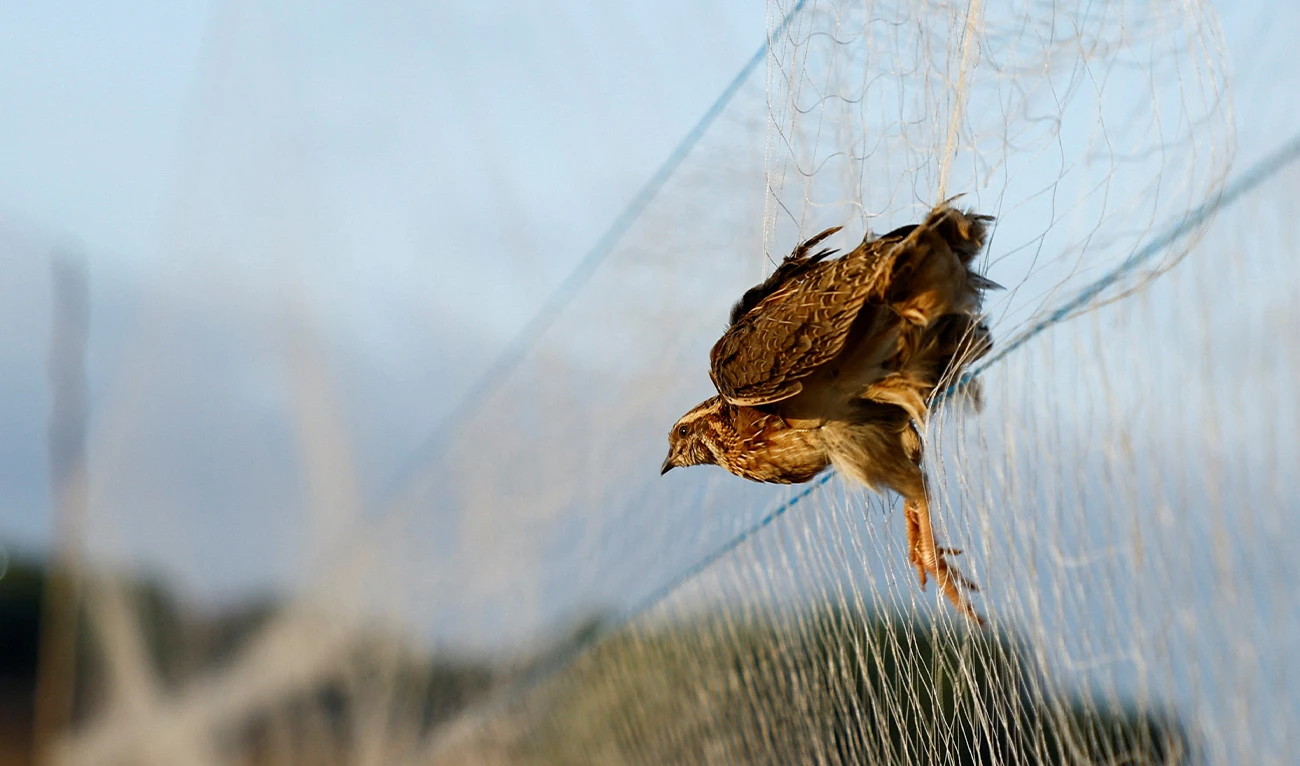
ISLAMABAD: Pakistan’s southern Sindh province has imposed a 90-day ban on the installation and use of nets to trap migratory and native birds in three districts around the lower Indus Delta, an official notification said on Sunday, as wildlife officials warn of widespread illegal hunting during the annual migration season.
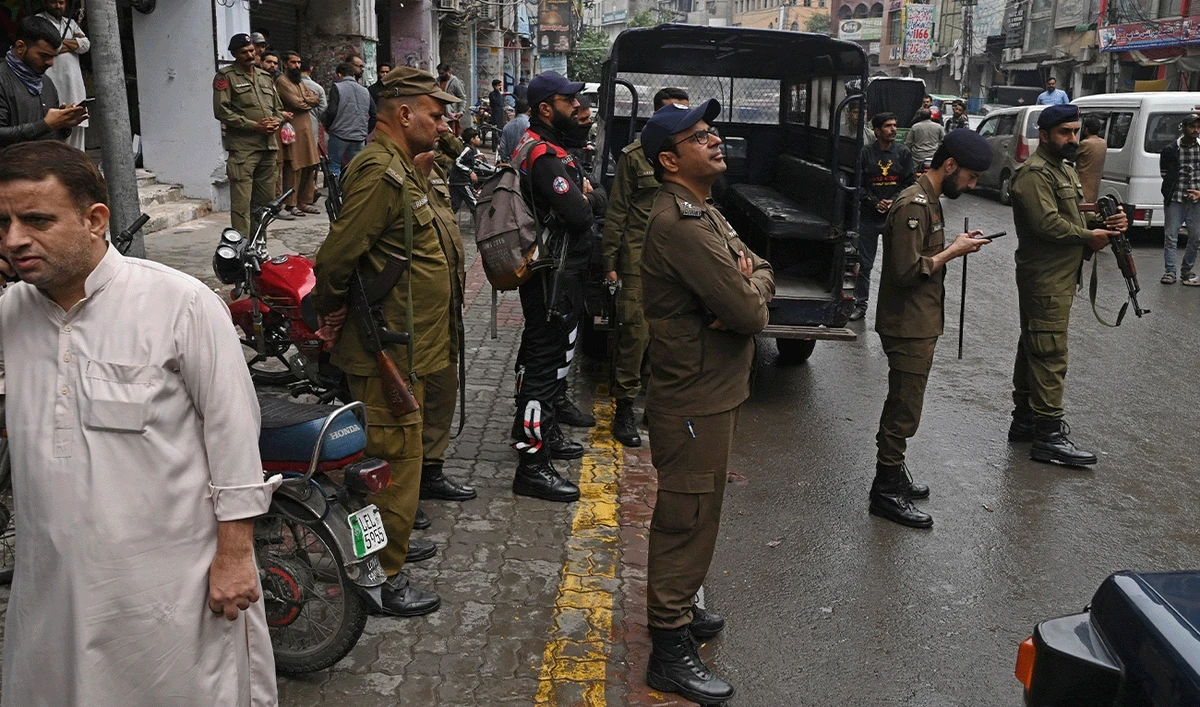
The order, issued on Sunday by the Hyderabad Division administration under Section 144 of Pakistan’s criminal procedure code, prohibits fixing, installing, erecting, or using nets to capture quails, migratory birds and native birds in Thatta, Sujawal and Badin districts from Sept. 13 to Dec. 11.
The administration said wildlife authorities had reported illegal bird trappers operating actively around natural habitats and wetlands in these districts, as migratory birds begin arriving and the 2026-27 hunting season approached.
“We have taken various government departments and relevant authorities on board to address the issue, and this notification is part of it,” Javed Ahmed Mahar, chief of the Sindh Wildlife Department, told Arab News.
The three districts lie around the lower Indus Delta, a major wetland ecosystem at the southern end of the Indus River system. The Indus Flyway is an important migration route for birds traveling between breeding grounds in northern Eurasia and wintering grounds further south, with the river and its wetlands providing feeding and resting habitat along the route.
Mahar said the Thatta-Badin-Sujawal region is the “last stop of the Indus Flyway for migratory birds” and among the areas most affected by illegal hunting.
“These districts are among the areas most affected by illegal hunting, with estimates suggesting that nearly half of the migratory birds are caught there,” the official said.
The annual arrival of migratory birds makes the wetlands particularly vulnerable to trapping. According to Mehar, illegal trapping and trade in the three districts has developed into a large-scale activity.
“The illegal trapping and trade of migratory birds through nets in these districts has effectively become an industry, with extensive hunting carried out through the installation of nets across the area,” he said.
Mehar said thousands of birds were trapped and traded illegally each year, with hunters sometimes using fraudulent permits. He also said some hunters use fake licenses bearing the signatures of deceased officials to pass through checkpoints while transporting captured birds.
The wildlife official said such licenses were fraudulent and that permission could not legally be granted to trap wildlife using nets. Mehar said the practice violated Pakistan’s national laws and international conservation commitments.
The notification issued by the Hyderabad administration has authorized police officers to register complaints under Section 188 of the Pakistan Penal Code against people violating the order. This section deals with disobedience to an order lawfully promulgated by a public servant.
The department has appealed to residents to report suspected illegal hunting camps and said the identities of people providing information would be kept confidential.
“Sindh Wildlife wishes to clarify that fake licenses for catching falcons, ducks and quails with nets and for their trade are not only fraudulent but also constitute an outright violation of national laws and international conventions to which the State of Pakistan is a party,” Mahar said.
“Such activity is punishable by law.”