- The Organic Meat Company Limited’s sales fell to $44.4 million in FY26 from $50.5 million a year earlier
- Exporters say proposed move to allow duty-free imports of live animals may not work due to high shipping, freight costs
KARACHI: One of Pakistan’s largest meat exporters is struggling to sustain exports and meet its existing commitments due to the ongoing United States (US) and Iran conflict in the Middle East, a senior official of the company said this week, with the war affecting its sales by over 11 percent in the last fiscal year.
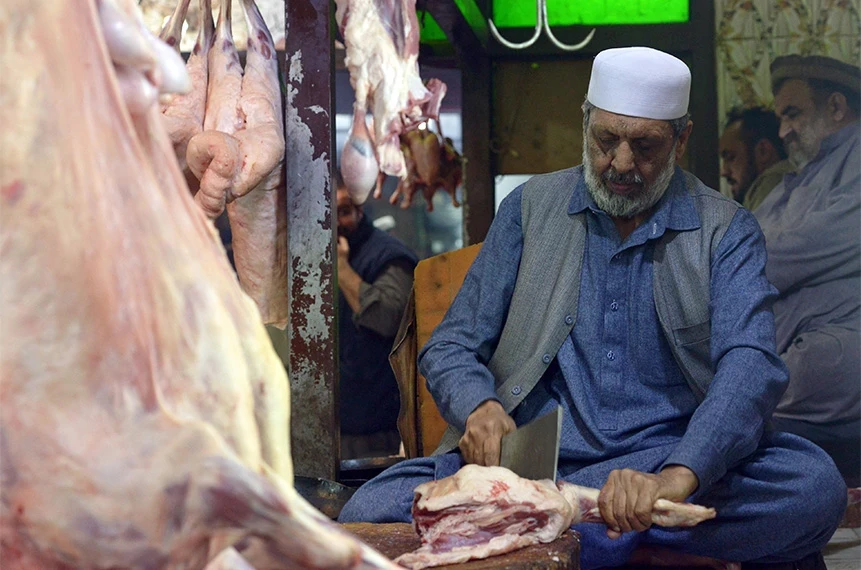
The Organic Meat Company Limited (TOMCL) operates one of Pakistan’s largest meat export networks, shipping beef, mutton and camel meat to more than 16 countries. These markets include Gulf Cooperation Council (GCC) countries, especially the United Arab Emirates and Saudi Arabia, which the company’s website lists among its biggest markets.
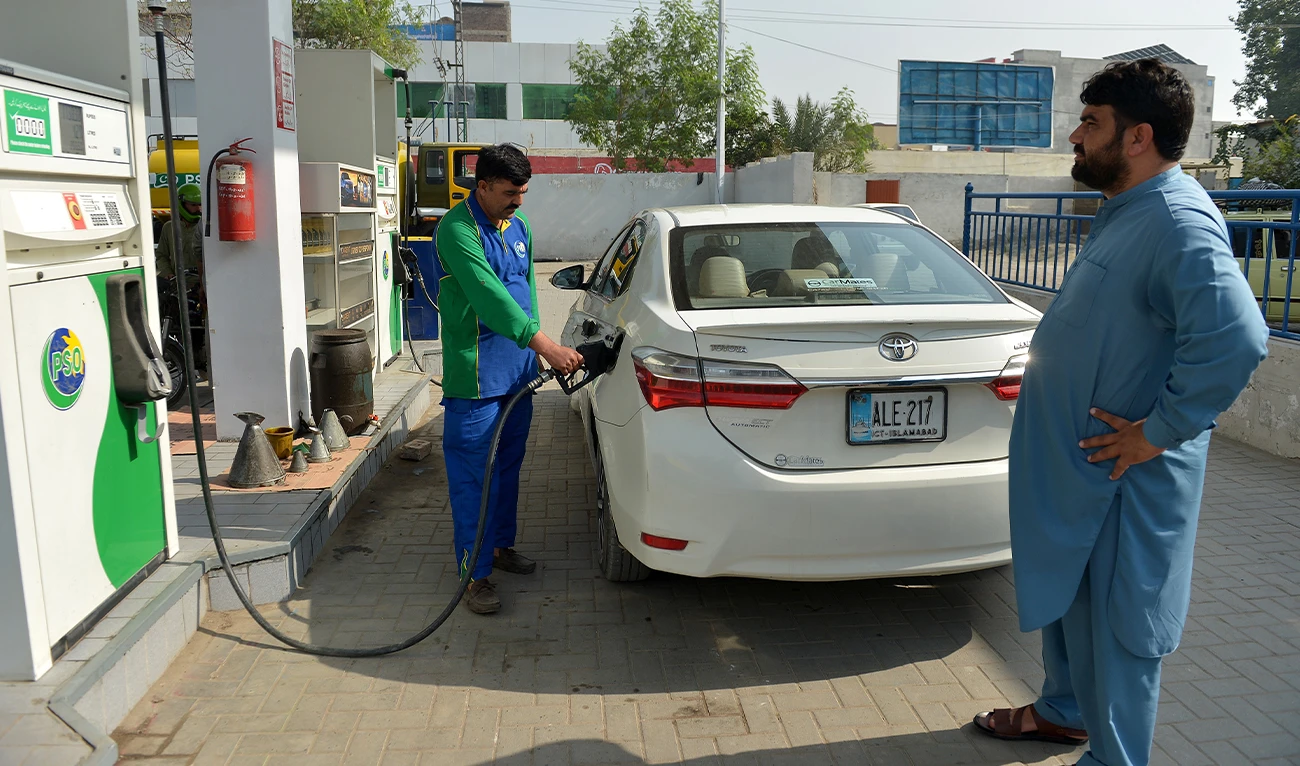
The US-Israel war on Iran, which began in February this year, has disrupted energy markets and closed key maritime trade points such as the Strait of Hormuz for global trade. This has resulted in a steep rise in fuel prices and disrupted shipments to Gulf markets from Pakistan and other countries.
TOMCL’s sales fell by more than 11 percent to Rs12.3 billion ($44.4 million) in fiscal year 2026 from Rs14 billion ($50.5 million) a year earlier, as per the company’s financial report available that can be accessed from the Pakistan Stock Exchange’s (PSX) website. The company’s profit also plunged by 74 percent to Rs112.3 million ($405,000)in FY26 from Rs429.8 million ($1.55 million) the previous year.
“The company’s sales reduced due to this conflict,” TOMCL’s Chief Financial Officer Rizwan Abbas Punjwani told Arab News on Friday.
“Because of the crisis at the Middle East, at the Strait of Hormuz and Middle East, you know, we are working hard to maintain our sales or catch up with existing commitments.”
Punjwani was responding to queries on the government’s proposed scheme to remove duties and taxes on imports of live animals that would subsequently be re-exported as live animals or processed meat to other countries.
The Federal Board of Revenue (FBR) this week issued a notification removing duties and taxes on live-animal imports, apparently to boost Pakistan’s total exports, which declined 6 percent to $30.1 billion last year. Pakistan exports most of its meat to the Gulf countries, with the country exporting about $530 million worth of meat and meat preparations in the fiscal year ending June 2026. The bulk of these exports went to the UAE, Saudi Arabia, Kuwait and Qatar.
Though the scheme is designed to bolster Pakistan’s meat exports, Punjwani was not too optimistic about its execution. Citing uncertainty over the war and disruptions to shipping routes, the exporter said the scheme might not work for the meat export sector.
“This scheme may be very beneficial for some other industries, but this kind of effect is very unlikely in the industry of ours,” he said.
A review of the PSX’s data shows TOMCL’s shares have declined by 23 percent to Rs28.90 ($0.104) per share from Rs37.32 ($0.135) since Feb. 27, a day before the US-Iran war began.
Commerce ministry’s spokesperson Chaudhry Naveed ul Haq Kallu did not respond to Arab News’ request for a comment on the matter. All Pakistan Meat Exporters & Processors Association President Mian Abdul Hannan was also unavailable for comment.
An industry stakeholder, who imports live animals and exports their meat, told Arab News that re-exporting livestock or meat involves substantial charges.
“Importing live animals into Pakistan and subsequently re-exporting livestock or meat involves substantial freight and handling costs, making the economics unworkable,” he told Arab News on condition of anonymity.
Imported sheep could cost as much as $160 per head, he said, while shipping bovine animals from exporters such as Brazil and Australia could cost millions of dollars.
“Sourcing young, growing animals suitable for fattening at competitive prices is already difficult,” the importer said. “Their high purchase price at origin, combined with transportation costs, makes the model commercially unattractive.”
He urged the government to strengthen domestic livestock farming and fattening, disease prevention, vaccination programs and animal health infrastructure.
“The countries worldwide that import animals for fattening purposes, use them for local consumption and not for re-export,” he said.