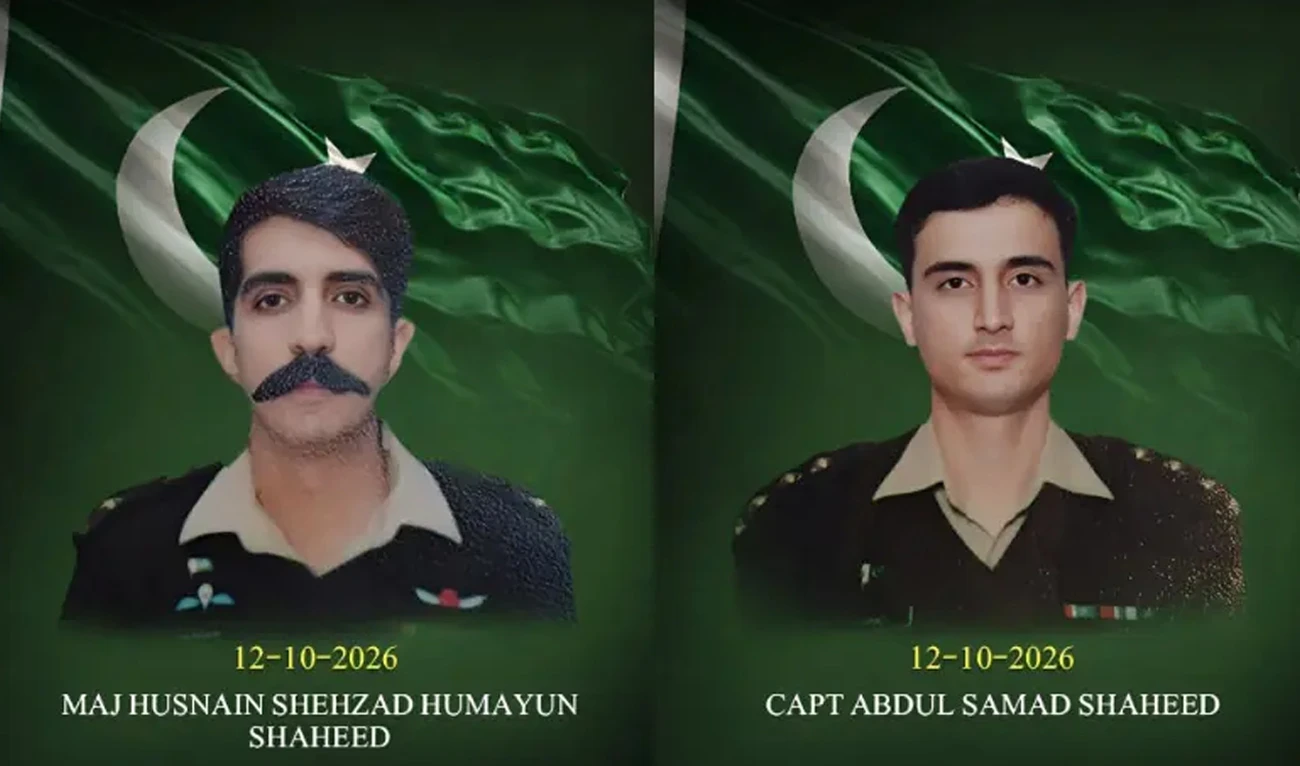
- The statement by Pakistan FM follows deterioration in Islamabad-Kabul ties over a surge in militancy in Pakistan
- FM Ishaq Dar urges Pakistan’s partners to impress upon Afghan authorities the need to fulfil their commitments
ISLAMABAD: Pakistan’s Foreign Minister Ishaq Dar on Monday warned that the “terrorist threat” emanating from Afghanistan posed risks to the wider region, urging the world to impress upon Taliban authorities the need to fulfil their commitments.
The statement followed deterioration in Pakistan-Afghanistan relations over Islamabad’s accusations that Kabul was sheltering militants behind a surge in attacks inside Pakistan, which prompted Islamabad to conduct strikes inside Afghanistan in recent weeks. Kabul denies harboring militants and has accused Islamabad of violating Afghan sovereignty.
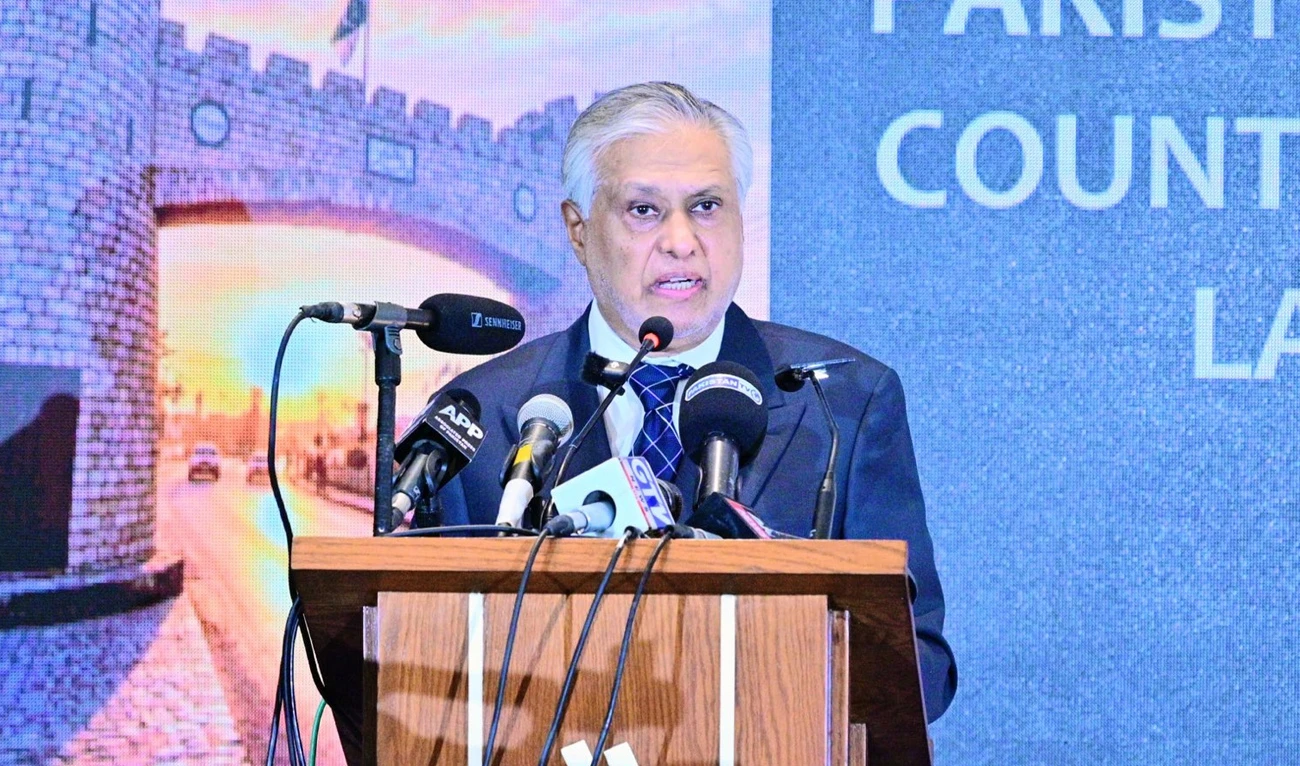
Speaking at a seminar in Islamabad, Dar said militants infiltrated his country through different mountainous terrains and carried out attacks that were “planned, directed, and launched from across the border” before retreating to their sanctuaries, adding that a “group that finds safe haven today to attack Pakistan can use the same safe haven tomorrow to threaten others.”
“We can no longer ignore the continuing terrorist threat emanating from Afghanistan,” he said. “It has consequences for the security of the wider region.”
There was no immediate response from Kabul to the statement.
Militant groups have been recruiting and radicalizing people through social media and encrypted platforms. They raise funds through cryptocurrencies and other digital channels that await traditional controls, according to the foreign minister.
Young people are increasingly exposed to their propaganda. The militants are also experimenting with drones and exploiting artificial intelligence to spread their propaganda, while lone actors radicalized online could strike anywhere without warning.
“Our partners must also impress upon the Afghan authorities the need to fulfil their commitments,” he said. “A threat that endangers the region and the world cannot be left for Pakistan to confront alone.”
Dar statement comes amid a surge in militant attacks in Pakistan’s Khyber Pakhtunkhwa and Balochistan provinces that border Afghanistan and have seen the killing of dozens of security men and civilians in militant attacks in recent months.
On Sunday, Pakistan’s federal government also imposed emergency rule in KP, saying the provincial government had failed to tackle militants operating in the region. The came amid difference between the center and the provincial administration over counterterrorism policy and political issues.
“It’s not a political move,” Dar said. “It is surely against the menace of terrorism, which the province has been hit with in the last decade and a half.”
Earlier this month, Islamabad also said that it would continue taking “all appropriate measures” against alleged militant sanctuaries in Afghanistan to protect its citizens, defending Pakistan’s cross-border strikes as legitimate acts of self-defense.
“Pakistan has been, and will continue to take all appropriate measures to uphold the safety and security of its citizen in accordance with international law, and based on the principles of necessity and as a measure of last resort,” Pakistan’s Special Representative for Afghanistan Mohammad Sadiq said, addressing the 8th meeting of the Moscow Format on Afghanistan.
“All measures taken by Pakistan constitute legitimate defensive actions against sanctuaries and bases used for planning, training and launching terrorist attacks inside Pakistan.”
The Moscow Format is a regional diplomatic platform that brought together Afghanistan’s neighboring countries and key regional stakeholders to discuss peace, security and humanitarian issues in Afghanistan. The meeting was attended by senior officials from countries including Russia, Pakistan, China and the Central Asian states.