- A central point of disagreement has been Washington’s insistence on addressing Iran’s nuclear program from outset
- Pakistan, which helped brokered a US-Iran peace deal in June, has repeatedly urged the parties to return to dialogue
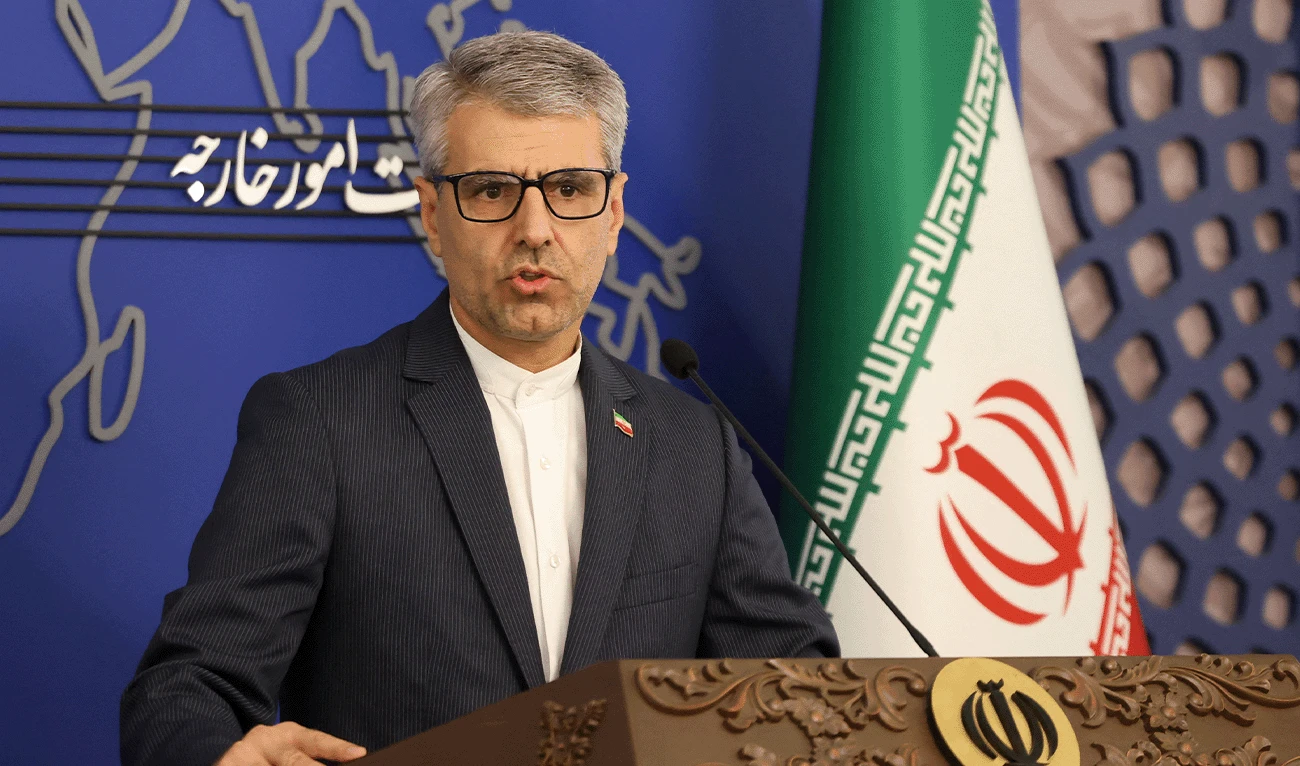
ISLAMABAD: Iranian foreign ministry spokesperson Esmaeil Baghaei said on Monday that Tehran was still reviewing a US response to its proposal regarding the reopening of the Strait of Hormuz and will reply to Washington when the review is over, Iranian state media reported, with Baghaei saying that Pakistan and Qatar were still acting as mediators in the conflict.
After a June interim ceasefire crumbled and on-off strikes resumed, Iran presented its proposal in mid-September and later confirmed receipt of a US response. But the process has since stalled, with Iran’s security chief saying on Sunday that Washington’s response did not sufficiently address Tehran’s seven conditions for reopening the Strait of Hormuz and returning to negotiations.
A central point of disagreement has been Washington’s insistence on addressing Iran’s nuclear program from the outset. Tehran says negotiations should initially focus on reopening the Strait of Hormuz, which before the war carried about a fifth of the global trade in oil and liquefied natural gas (LNG), and restoring security in the waterway.
Speaking at a weekly press briefing, Baghaei said the proposal, discussed on the sidelines of the UN General Assembly, covers Iran’s legitimate demands, including lifting the naval blockade, ending the war on all fronts, and releasing Iranian assets, which were also part of the Islamabad Memorandum of Understanding agreed in June, Iran’s state-run IRNA news agency reported.
“Our President articulated our positions, once again outlining Iran’s seven-point plan and explaining the considerations and points relevant to the overall issue,” Baghaei said, adding that Iran would convey its position to mediators once the review is complete.
“We have always welcomed the good offices of friendly nations; however, as you know, technically and in the strict sense of the word, Pakistan and Qatar continue to play the role of mediator between Iran and the US.”
Tehran has maintained its stranglehold on the strategic Strait of Hormuz since the US launched its war on Iran in late Feb., while Washington continues a counter-blockade of Iranian ports. Washington is also seeking to choke Iran’s economy, rolling out sanctions on entities with financial links to the Islamic republic in a bid to force it into submission.
Pakistan, which hosted US and Iranian officials in April for their first direct talks since 2015, has repeatedly urged the parties to return to dialogue and diplomacy to end the conflict.
“What we have been witnessing in this waterway since February 28 is the direct result of actions by the US,” Baqaei said at Monday’s briefing.
“The United States’ aggressive actions have caused trouble for itself, the region, and the world.”
The US did not immediately respond to the Iranian’s foreign ministry spokesman’s remarks.