- Pakistan’s GSP+ approval will not be automatic as scheme expands to 32 conventions
- Pakistan exported €7.5 billion in goods to the bloc under the trade scheme in 2024
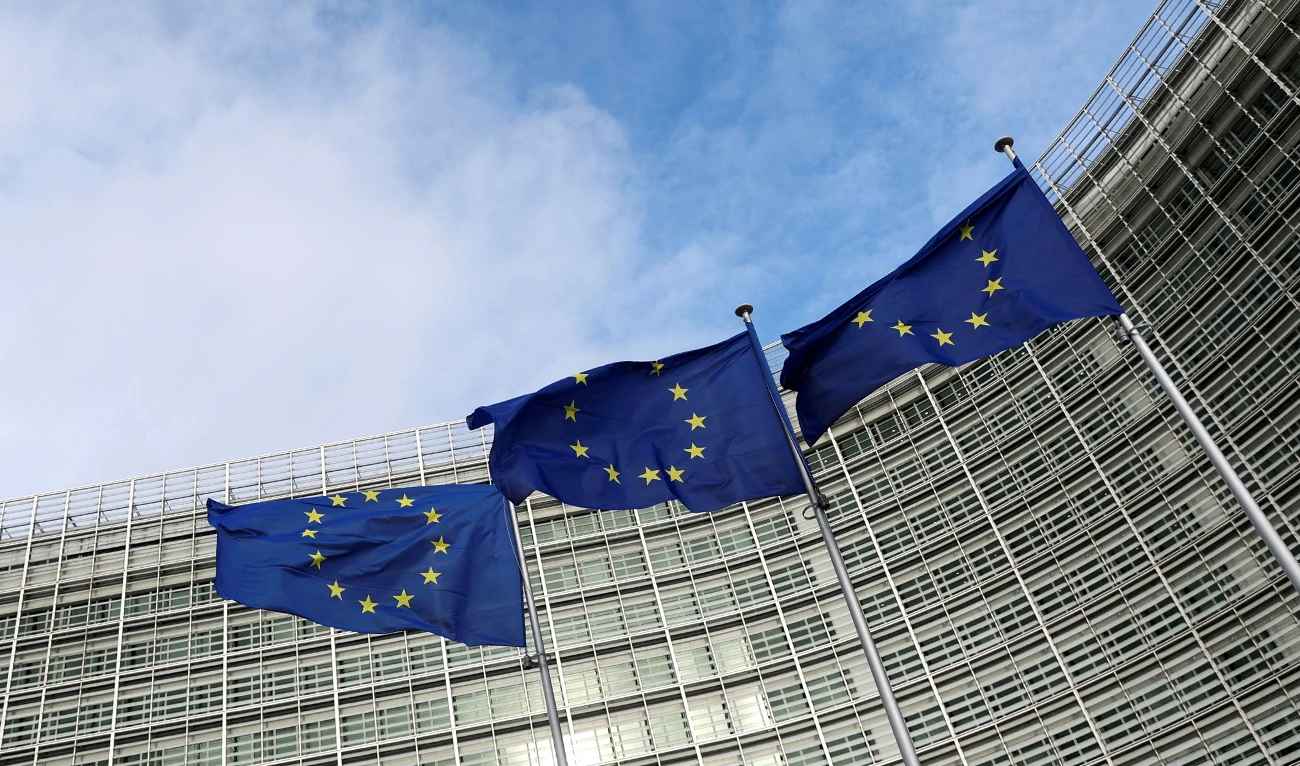
ISLAMABAD: Pakistan will have to submit a fresh application to retain preferential access to the European Union market under the bloc’s new Generalized Scheme of Preferences Plus (GSP+) regime, with the number of international conventions it must comply with rising from 27 to 32, an EU spokesperson told Arab News this week.
Pakistan has benefited from GSP+ since 2014, allowing it to export a wide range of goods at reduced or zero tariffs in return for implementing international conventions on human rights, labor standards, environmental protection and good governance. The arrangement is economically significant for Pakistan. In 2024 alone, the country recorded €7.5 billion in exports eligible for GSP+ preferences, mainly textiles and clothing, while the value of tariff exemptions it received was estimated at around €732 million.
With the current EU GSP framework set to expire, an EU spokesperson said Pakistan will have to submit a new application for inclusion in the successor regime, which will require a new plan of action.
“Like all other GSP+ countries, Pakistan will continue to benefit from GSP+ during the 2-year transition period until the end of 2028, subject to compliance with its obligations,” the spokesperson said in a written response to questions from Arab News.
“During this period, GSP+ beneficiaries must submit a reapplication under the new scheme to continue to benefit from GSP+, as there will be new conditions and a new legal basis.”
The spokesperson emphasized that the renewal is not automatic.
“The reapplication will also need to include a forward-looking plan of action for effective implementation of the full list of conventions. As it is a new scheme, there is no rollover and approval is not automatic.”
The European Union’s new GSP regulation was published on June 22 and will take effect on January 1, 2027.
The clarification comes as Pakistan prepares for a potentially more demanding process to retain one of the most important trade arrangements underpinning its economic relationship with the EU.
Under the new framework, GSP+ beneficiaries will be required to maintain the ratification and effective implementation of international conventions covering human rights, labor rights, environmental protection, climate change, and good governance.
The European Commission and the EU’s High Representative for Foreign Affairs and Security Policy published their latest GSP monitoring report covering the period from 2023 to 2025 on July 16. While the report acknowledges Pakistan’s progress in some areas, it identifies significant concerns over the country’s compliance with GSP+ obligations regarding human rights, the rule of law and fundamental freedoms.
For continued GSP+ eligibility under the revised rules taking effect in 2027, the EU has identified several priority areas for Pakistan. These include ensuring accountability for human rights violations, taking stronger action against torture and enforced disappearances, implementing reforms related to prisons and the death penalty and protecting freedom of expression. The report also calls for greater efforts to tackle violence against women, improve children’s access to education, end child marriage and strengthen measures against child and forced labor.
The EU has also raised concerns over discrimination against minorities, asking the country to strengthen the independence, impartiality and operational capacity of anti-corruption institutions at both federal and provincial levels.
Pakistan’s foreign office had welcomed the assessment but expressed reservations about what it described as an unbalanced portrayal of the country’s performance.
“We appreciate the assessment reports, acknowledgement of Pakistan’s legislative progress during the reporting period, and the country’s continued compliance with the 27 international conventions,” spokesperson Tahir Andrabi had told a weekly news briefing on July 23.
“Nevertheless, I would be remiss if I do not express disappointment with the report’s overall narrative, which does not present a sufficiently balanced picture of Pakistan’s performance under GSP+.”
The spokesperson argued that the breadth of reforms undertaken since Pakistan joined the GSP+ arrangement in 2014 warranted greater recognition, noting that the EU report placed disproportionate emphasis on areas where progress remained below expectations.
Despite these concerns, the foreign office said Pakistan would remain engaged with the European Commission and other EU institutions, adding that the administration in Islamabad remained committed to implementing the international conventions underpinning the GSP framework.
According to local media reports, Pakistan’s commerce ministry has begun work on an action plan aimed at meeting the requirements of the EU’s new framework covering 32 international conventions.
Arab News contacted the commerce ministry on Pakistan’s preparations but did not receive a response. Finance Adviser Khurram Shahzad was also contacted but referred the questions to the Ministry of Commerce.