MANILA: Grammy winner Chris Brown partied in Macau with a gold-toothed grin, as officials said Saturday he had left his promoter in a Philippine jail facing a legal dispute with a powerful religious sect.
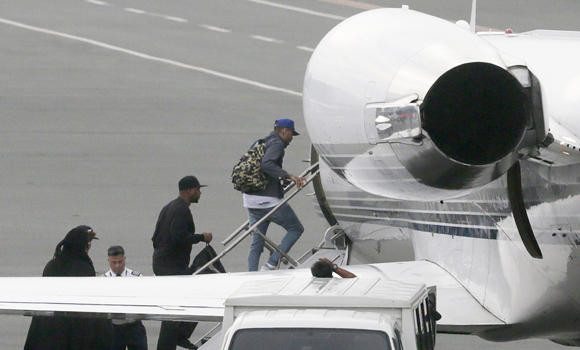
The 26-year-old American hip-hop star left Manila airport on board a Gulf Stream jet late Friday as immigration police arrested his promoter, John Michael Pio Roda for fraud, immigration bureau spokeswoman Elaine Tan told AFP.
Brown had been barred from leaving the Philippines for three days after the politically-connected Christian group Iglesia ni Cristo filed the fraud complaint against him and his promoter Roda.
The group said it was owed a million-dollar-plus refund after he failed to show up for a New Year’s Eve concert sponsored by them last year.
But Brown secured a emigration clearance certificate on Friday, and immediately flew to Macau to host a party dubbed “Girls Night Out.”
“Yo Manila we love y’all but Macau is poppin’ We’re in a Rolls Royce baby!” Brown said in a video posted on his Instagram account where the pop music lothario has 12 million followers.
“We made it!” one of his companions blurted, in an apparent reference to Brown’s Manila ordeal.
Brown’s gold-plated teeth shimmered in the two videos taken on the backseat of his limousine and in his Macau hotel room.
The tattooed and pierced star said on Twitter that he would perform in Hong Kong on Saturday.
Roda, a Canadian national, will be detained in Manila until the immigration bureau resolves his deportation case for fraud in connection with the Iglesia case and working in the country without a permit, Tan said.
The deportation proceedings is separate from the criminal complaint filed at the justice department, which will determine whether charges will be filed in court, she said.
“Chris Brown was allowed to leave because he had no derogatory record and there was no warrant of arrest against him,” she said.
Justice department officials did not return calls seeking comment on the status of the criminal complaint against Brown.
Brown left Manila on Friday after posting bizarre videos on social media, backflipping and spewing profanity as he begged Philippine authorities to let him leave.
Brown’s ordeal almost cost him his world tour, which includes stops in Israel, Cyprus and the Netherlands.


![]()
Chris Brown parties in Macau as Philippines jails his promoter
Chris Brown parties in Macau as Philippines jails his promoter
Latest updates


Recommended


© 2026 SAUDI RESEARCH & PUBLISHING COMPANY, All Rights Reserved And subject to Terms of Use Agreement.