LOS ANGELES: Iconic Japanese brand Hello Kitty, famous globally for the red-bowed cat with six symmetrical whiskers, is getting her own film adaptation. Japanese lifestyle company Sanrio is planning to finance and produce a feature based on the character and release it globally in 2019. The film will go through Sanrio’s recently established US subsidiary. The project will have an expected budget of anywhere from $160 million-$240 million, including P&A, according to Sanrio execs.
US-based Sanrio Media & Pictures Entertainment was established in June to help exploit the Japanese company’s IP and brand library worldwide. Fox Animation acquired film rights to Sanrio’s ‘Mr. Men and Little Miss’ characters in January. Sanrio managing director Rehito Hatoyama was appointed chief exec of the new US unit and will oversee the Hello Kitty project.
The company is also considering other character properties to star in films as well, with a dedicated fund likely to be established for these projects. Sanrio’s other characters include My Melody and Little Twin Stars. They are both celebrating their 40th anniversaries. Hello Kitty turned 40 last year.


![]()
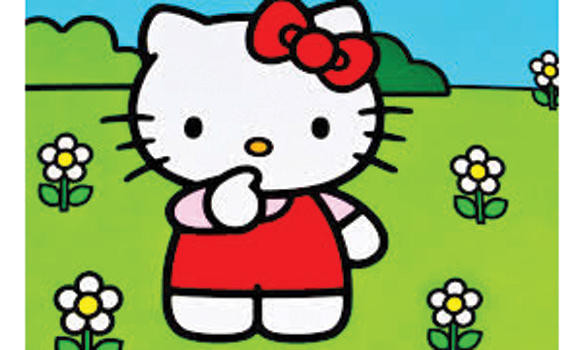
Say hello to ‘Hello Kitty’ the movie
Say hello to ‘Hello Kitty’ the movie
Latest updates


Recommended


© 2026 SAUDI RESEARCH & PUBLISHING COMPANY, All Rights Reserved And subject to Terms of Use Agreement.