JEDDAH: The Muslim World League (MWL) has praised the Kingdom for its planning and organization in the face of various challenges during Haj 2015.
Abdullah bin Abdul Mohsin Al-Turki, secretary-general of the MWL, slammed Iran for trying to politicize the loss of life caused by the crane crash in Makkah and the stampede in Mina.
Speaking at an event to honor the heads of the world’s Haj delegations, he said the pilgrimage is meant to be an event that brings people together, regardless of ethnicity, based on the teachings of the Qur’an and the example of Prophet Muhammad, peace be upon him.
He praised the efforts of the Kingdom under the leadership of Custodian of the Two Holy Mosques King Salman, Crown Prince Mohammed bin Naif and Deputy Crown Prince Mohammed bin Salman for the expansion of the holy places.
Al-Turki said the Kingdom mobilized huge amounts of people, material and technical knowhow to ensure pilgrims could perform their rituals in comfort and safety in Makkah and the holy sites.
He said the heads of the Haj delegations had pointed out that the event should not be used for political gain.
“The participants at the ceremony thanked the Kingdom’s leadership for the attention and care given to the development projects and services in Makkah and the holy sites,” he said.
He said the participants also stressed the importance of educating pilgrims in their own countries on the Haj rituals. “They must be encouraged to cooperate fully with the authorities in the Kingdom and stick to rules and regulations during their Haj.”
“The participants emphasized the Muslim World League’s efforts to unite Muslims. There should be no political conflicts during the pilgrimage. The Kingdom and its leadership must be supported in their efforts to prevent any form of disagreement during the Haj,” he said.


![]()
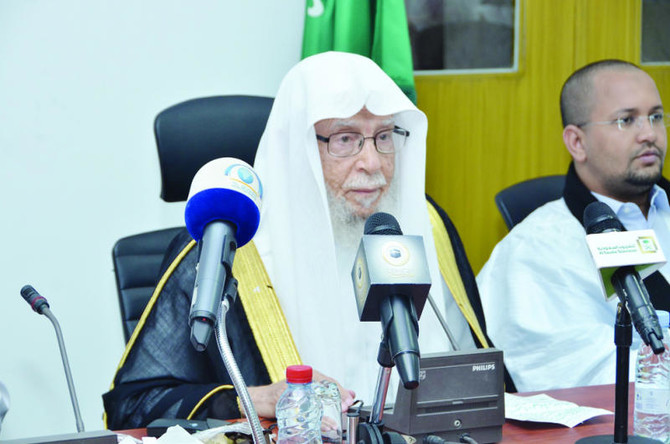
MWL highlights importance of educating pilgrims on Haj rituals
MWL highlights importance of educating pilgrims on Haj rituals
Latest updates





© 2026 SAUDI RESEARCH & PUBLISHING COMPANY, All Rights Reserved And subject to Terms of Use Agreement.