NEW YORK/JEDDAH: The UN said it expects an unconditional weeklong humanitarian pause in the fighting in Yemen starting Friday (today) to allow the delivery of assistance to some of the 21 million people in need.
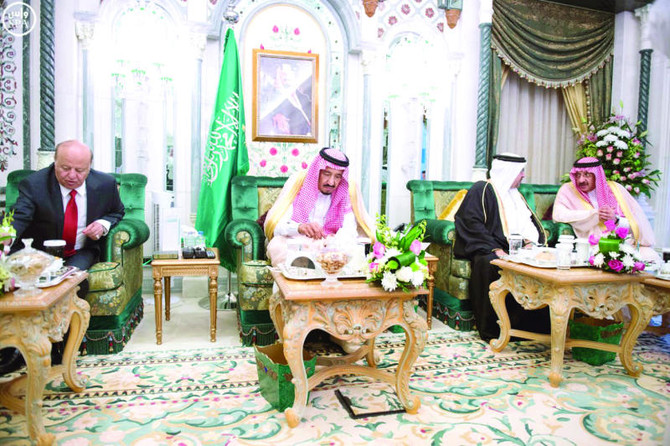
An Arab coalition has been bombing the Iranian-backed Houthis since late March in a bid to restore Yemen’s legitimate President Abed Rabbo Mansour Hadi to power.
“Secretary-General Ban Ki-moon noted that the president has communicated his acceptance of the pause to the coalition to ensure their support and collaboration,” said UN spokesman Stephane Dujarric on Thursday.
He said the Houthis, the General People’s Congress and other parties had assured UN special envoy Ismail Ould Cheikh Ahmed that the pause will be fully respected and that there will be no violations from any combatants under their control. “We feel we have the expressions necessary by all parties to announce the start of this pause on Friday,” said Dujarric.
“The secretary-general looks forward to the commitments of all parties to the conflict in Yemen to an unconditional humanitarian pause to start on Friday ... until the end of Ramadan,” he said. Both sides largely observed a five-day humanitarian truce brokered by the UN in May.
Meanwhile, Saudi Arabia has extended the correction period for Yemenis until Saturday, Aug. 15.
The initial period ended on Tuesday, July 7, but the Yemeni government had asked the Saudi government to extend the period because there was a growing backlog of cases.
Custodian of the Two Holy Mosques King Salman issued a royal decree on Thursday extending the period. This would allow Yemenis to correct their status and benefit from the renewable six-month work visas offered by the Kingdom, the royal court stated.
The Passport Department has announced that 338,352 Yemenis have corrected their status over the past two months in the Kingdom.
The concession is only for Yemenis who had not corrected their status, and who were in the Kingdom before April 10. They should have legitimate passports, which must be presented to any Saudi passport office in the country. They also have to undergo medical tests in accordance with the Kingdom’s residency laws.
— With input from agencies


![]()
UN: Yemen truce from today till Ramadan end
UN: Yemen truce from today till Ramadan end
Latest updates



© 2026 SAUDI RESEARCH & PUBLISHING COMPANY, All Rights Reserved And subject to Terms of Use Agreement.