The Ministry of Islamic Affairs, Endowments, Call and Guidance has urged imams to focus on the harmful effects of narcotics in their Friday sermons.
Sheikh Khalaf Al-Matlaq, who delivers sermons at the Dubhat District Mosque in Riyadh, said smoking and drug addiction had become major social problems affecting society in terms of security, safety and moral values.
The role of mosques, he reminded the public, is to address such problems as they may lead to crime and even greater problems.
The only way to prevent illegal drug us, he said, was to destroy the habit by educating people.
Al-Matlaq said drugs were not only a money-making business but that they were now being actively used by our enemies for political gain. This is done by targeting the country’s younger generation.
“I once had a meeting with a well-known person here in Riyadh. He told me that most crimes here are drug-related,” he said. Others are linked to immoral cases that have led them to kill their parents, while other juvenile delinquents have been involved in robbery.
“Drug use is tantamount to the total destruction of the younger generation. The habit starts with smoking, then spreads by the use of other narcotics. The number of smokers in this country has reached six million, of whom one million are women. Smoking is thus the starting point for using narcotics,” he noted.
According to Al-Matlaq, this habit which poses a big risk to family members at home is a time bomb waiting to explode if not defused. And when it does explode, it could destroy everything. “A son addicted to narcotics could kill his father, mother and sister if his craving for drugs is not satisfied,” he warned.
Al-Matlaq said if drug use spreads to schools, it will be disastrous. “You have heard about students who attacked their teacher and those students driving aimlessly on main roads causing traffic jams and major fatal accidents,” he said.
“There is an imminent danger that an addicted person with a pistol could shoot anybody in front of him. The responsibility to prevent a disaster not only concerns the authorities but also every member of the community,” he said.
Al-Matlaq said wealth would be useless if we do not fight against the narcotic menace which destroys a human’s five senses. The drug addict not only loses his mind, but most important of all, his God-given gifts, which should be used responsibly.
Quoting specialists, he said, Saudi Arabia was now being targeted by some enemy countries, which are spending millions of dollars to smuggle these illegal drugs into the Kingdom.


![]()
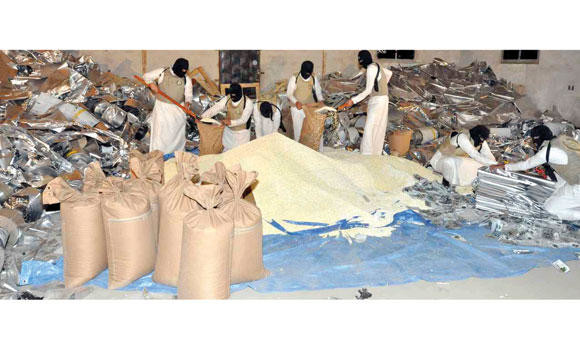
Drug abuse threatening society, warns Islamic scholar in Riyadh
Drug abuse threatening society, warns Islamic scholar in Riyadh
Latest updates





Recommended


© 2026 SAUDI RESEARCH & PUBLISHING COMPANY, All Rights Reserved And subject to Terms of Use Agreement.