BAGHDAD: Leggy models in designer clothes strutted down a catwalk in front of Baghdad’s high society Friday for a fashion show that tickled one generation’s nostalgia and filled the next one with hope.
Umm Mustafa and her husband canceled all their family duties, bought new clothes and spent a whole week preparing for the first edition of the Baghdad Fashion Show.
“The last show we saw was in 1988 at the Palestine hotel,” she said, wearing a burgundy suit with flowery prints and candy floss pink nail varnish assorted to her smartphone cover.
“We love fashion and design... It’s the security situation that has affected everything. There’s development here but no opportunity to show the world,” said her husband, also in his late forties.
Despite Iraq’s eight-year war with Iran, Baghdad in the eighties had a vibrant cultural life.
Around 500 people turned out in their best attire to watch 16 young Iraqi women model collections by six home-grown designers Friday as an oriental beat shook the walls of the luxurious Royal Tulip hotel’s gala hall.
Many of the creations were variations on traditional Arab themes, including a collection exploring the chequered keffiyeh pattern in modern urban designs that wowed the crowd.
On the horseshoe catwalk, the dresses were mostly long — there was no winking or lip-pursing at the cameras. But there was a feeling both backstage and in the audience that the show was making a statement.
“It’s a dream come true. I have been dreaming of something like this for so long,” said Ayman Sultan Hajem, the only man among the six designers showcasing their work.
“I feel I am victorious over myself and over society,” said the 30-year-old from the conservative southern city of Basra, explaining the prejudice he had to overcome when he chose this line of work.
Huddled at the entrance of the changing room backstage, some of the models looked terrified before the show started.
Haneen, a tall 22-year-old, said her mother was the only person among her family and friends who knew she would model for the Baghdad Fashion Show.
“I don’t tell anyone I am a model because no-one accepts this idea... My father thinks I am an employee at a fashion house,” she said.
“People don’t realize that you can risk your life by choosing to be a model,” she told AFP at a rehearsal a few days before the show.
More than just a welcome distraction from the conflict and instability that has plagued Iraq for years, some argued the show was an act of resistance.
“This is an attempt within the current political and security situation to support the government and the people,” Iraqi designer and organizer Sinan Kamel said.
“The most important message we address to the world today is that Iraq is still alive,” the 35-year-old told the audience at the launch of the glitzy event.


![]()
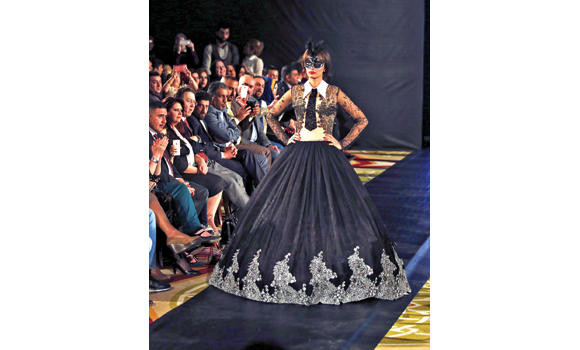
Glamour over gloom as Baghdad hosts fashion show
Glamour over gloom as Baghdad hosts fashion show
Latest updates


© 2026 SAUDI RESEARCH & PUBLISHING COMPANY, All Rights Reserved And subject to Terms of Use Agreement.