Barcelona is the capital of Catalonia and the second largest city in Spain. It is the 10th-most-visited city in the world and the third most visited in Europe after Paris and London, with millions of tourists visiting annually.
The city caters to all travelers for it offers something for people who are looking for great cuisine, fashion, sports, shopping, beaches, history, culture and more. Barcelona is an extraordinary blend of tradition and is innovative, making it a favorite destination for people of all ages.
The Barri Gotic, Catalan for Gothic Quarter, is the center of the old city of Barcelona. It is a maze of streets leading you from one historic building to another; it is a must see area with buildings that date back to medieval times and some even listed as World Heritage Sites by the UNESCO.
Most of the must-see architectural pieces are by Spanish architect Antoni Gaudi. His work has enjoyed global popularity for his unique geometrical designs inspired from nature, religion and architecture.
Gaudi’s masterpiece and the most visited monument in Spain is the unfinished basilica of the Sagrada Familia, which has been under construction since 1882, and is still financed by private donations. As of 2007, completion of the project was planned for 2026. The architectural and engineering style of the Sagrada Familia combines Gothic and curvilinear Art Nouveau.
About a 15-minute ride from the Sagrada Familia is yet another Gaudi architectural divinity under the name Park Guell. This garden complex was built in 1900 and is one of the largest architectural works in south Europe. It is also one of the UNESCO World Heritage sites in the city. This place is great for a family visit where you can walk around and admire the designs of the colorful buildings and gardens.
Another interesting Gaudi must see building is the Casa Batllo, which is considered the most photographed place in Barcelona for its beautiful exterior with colorful mosaic made with broken ceramic tiles. The local name of the building is Casa dels ossos, Spanish for House of Bones. The house is now one of the most important sightseeing places in Barcelona where travelers can go inside the building and see for themselves the attention to detail present in Gaudi’s designs.
The history of art in Catalonia is long and its people are very proud of it. The National Museum of Art of Catalonia is a must-see. You will want to make time to visit the Picasso Museum, which houses one of the most extensive collections of 4,249 artworks by the 20th-century Spanish artist Pablo Picasso. You will probably need to book your tickets online two days before your visit just to be able to enter the museum.
Walking through the old town of Barcelona, especially the Gothic quarter, located next to the La Rambla, is the best way to learn more about the city.
Every corner is filled with ancient history and culture. There are enchanting streets, squares and backyards that are open for tourists to see for free. You should not miss the Plaça del Rei and Plaça Sant Felip Neri, which are hauntingly silent. There are also symbolic fountains in the walls here, where you can see some of the scars of bombing from the Spanish Civil War.
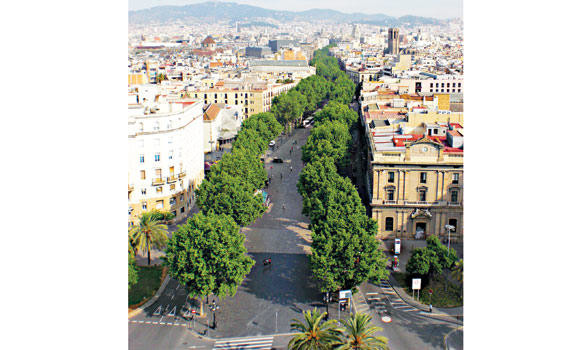
La Rambla Street is a popular tourist attraction filled with kiosks selling souvenirs, flowers, food, perfumes and newspapers. The street is lined with cafes and restaurants as well as historic buildings. You cannot miss the La Boqueria farmers market, which is one of the city’s foremost tourist landmarks, housing a very diverse selection of local harvest.
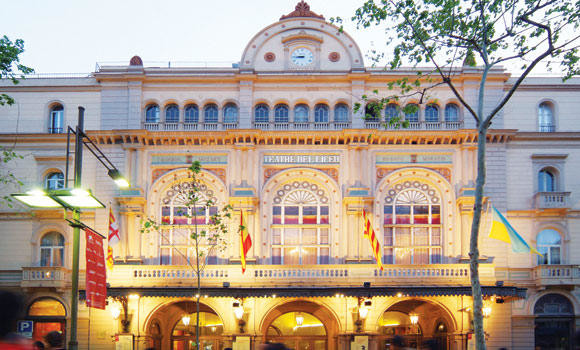
There is also Barcelona’s renowned opera house Gran Teatre del Liceu opened in 1847. If you have the time, make sure to book your ticket to see authentic Catalan opera, it will be an experience you will never forget.
One of the reasons why people visit Barcelona is because of the beautiful public beaches, listed as number one among the top ten city beaches in the world, according to National Geographic and Discovery. The city comprises seven beaches, totaling 4.5 km and it’s all public and free, unless you want your own tanning bed, which costs around 4 Euros. Make sure to hire a cycle taxi to take you around the beaches in the front seat of the bicycle.
Shopping in Barcelona is an adventure by itself. It was named as the third most important fashion capital, according to the Global Language Monitor’s annual ranking of the world’s top fifty fashion capitals. Some of the best shopping locations are the Passeig de Gracia, the streets to its southwest, the Barri Gotic streets such as Carrer de la Portaferrissa, Carrer de la Boqueria and Carrer de Ferran, and around Placa de Sant Josep Oriol.
Montjuïc Mountain is the perfect place for adventure lovers. A walk, run, cycle or even hike will offer you a great view of the whole city and the beach. There you will find buildings from the 1992 Olympic games in Barcelona. It’s a beautiful walk through the Laribal gardens for fresh air. You cannot miss the magic fountain show that was built in 1929.
Of course you cannot visit Barcelona and not visit the FC Barcelona museum and Comp Nou stadium to catch a home match. The stadium and museum are among the most popular attractions in the city.
The best part of visiting a new city is to explore its gastronomy. In Barcelona, the variety of food is an adventure in itself. Barcelona offers a huge variety of cuisines, Catalan being the most important one.
Where to stay:
Mandarin Oriental, MO, Barcelona is one of the best luxury hotels in the city. Located on the prestigious Passeig de Gracia, it is close to shops and other places you would want to visit in Barcelona.
The avant-grade luxury hotel is contemporary yet timeless in design, offering 120 rooms and suites, all with great views of either the hotel garden or of Barcelona’s most stylist boulevard, the Passeig de Gracia. Some rooms have their own terraces while others have private balconies.
As soon as you arrive at the hotel you are welcomed with a cup of cold jasmine tea that will put you right in the mood of both luxury and relaxation.
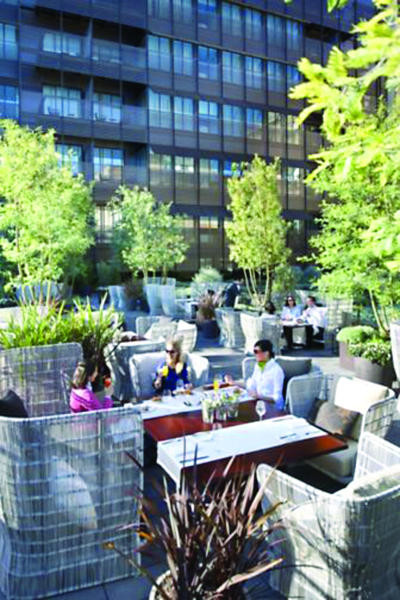
The hotel offers two restaurants, two outdoor cafes and a lounge for its guests. Right by the pool offering light bites and snacks is the Mimosa Garden, a beautiful café located in the hotel’s garden where you can rest on bamboo chairs and enjoy all day dining, afternoon tea and coffee. The new part of the hotel was previously a bank but MO Barcelona bought the property and added new suites and expanded the lobby and added Banker’s lounge to it. The lounge still kept the old safes as a décor, which you can look at while sipping drinks and enjoying local tapas.
Blanc Brasserie is a contemporary Mediterranean all-day dining restaurant, which serves great breakfast buffet and la cart dinners. You will fall in love with the menu that offers the best kind of Catalan cuisine comprising fresh and local vegetables and fish right from Catalan. You should also try the steak, which was recommended to me by the restaurant manager Mr. J.Gomez who was very helpful. He is quite educated about politics and tourism in Barcelona and guided me during my stay.
Mouthwatering dishes by chefs Raül Balam and Carme Ruscalleda at Moments — two Michelin star restaurant — are a must for foodholics.
The restaurant has its own chef’s table for true connoisseurs of food. Attractively rich menu and flawless service will complement your flavorsome meal.
The spa at the MO Barcelona is the best part of it. It is the best means to get away from the noise of the city and slide into a world of serenity and peace on a massage table, being pampered by one of their professional therapists. The spa has two suites with its own steam rooms and Jacuzzi. The Oriental Essence is a signature body ritual that will allow tired and stressed travelers feel relieved and release tension. There is also a Pedicure and Manicure Studio by Bastien Gonzalez as well as a beautiful and relaxing rooftop pool where you can have the best view of the main street.
—
Email: [email protected]


![]()
![]()
![]()
![]()
![]()
![]()
![]()
![]()

Barcelona: A destination for all travelers


Barcelona: A destination for all travelers
Latest updates


© 2026 SAUDI RESEARCH & PUBLISHING COMPANY, All Rights Reserved And subject to Terms of Use Agreement.