Schools here have been urged to mark International Literacy Day with lectures, seminars and other programs to highlight the economic importance of an educated populace.
Mohammed bin Abdullah Al-Marshad, acting director general of education in Riyadh, had earlier asked all government and private schools to start celebrations for a period covering two weeks, starting on Sept. 8, the date on which the day is marked globally.
In a memo circulated to all education departments in Riyadh, he urged those who cannot read or write to join literacy programs set up by the government. He also asked the local community, institutions and individuals to participate in such events.
He had asked schools to use their radio programs, newspapers, posters and banners to focus on the importance of literacy initiatives.
Schools have also been urged to organize lectures and seminars on the importance of science and knowledge based on the teachings of Islam, and highlight the efforts on literacy by the government of Custodian of the Two Holy Mosques King Abdullah. To encourage others, the programs should also honor those who had completed literacy classes.
The events primarily encourage illiterate men and women in each district to join literacy programs.
According to the website of the United Nations Educational, Scientific and Cultural Organization (UNESCO), the theme of International Literacy Day celebrations, is “Literacy and Sustainable Development.”
"Literacy is one of the key elements needed to promote sustainable development, as it empowers people so that they can make the right decisions in the areas of economic growth, social development and environmental integration. Literacy is a basis for lifelong learning and plays a crucial foundational role in the creation of sustainable, prosperous and peaceful societies," UNESCO said on its website.
"Literacy skills developed from a basic to advanced level throughout life are part of broader competencies required for critical thinking, the sense of responsibility, participatory governance, sustainable consumption and lifestyles, ecological behaviors, biodiversity protection, poverty reduction, and disaster risk reduction."
One of the main UNESCO events this year took place in Dhaka, where the government of Bangladesh organized the international conference on girls’ and women’s literacy and education.


![]()
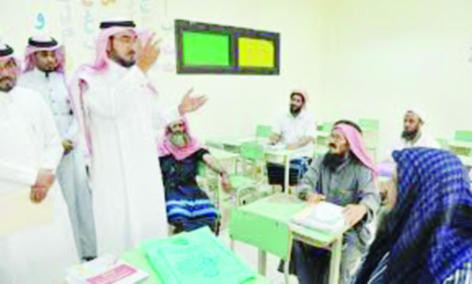
Schools to mark Literacy Day
Schools to mark Literacy Day
Latest updates


Recommended


© 2026 SAUDI RESEARCH & PUBLISHING COMPANY, All Rights Reserved And subject to Terms of Use Agreement.