One of Greece’s hidden gems of the Mediterranean Sea is known as Santorini. A volcanic island with white washed, bright blue ceilings, and cliffside homes and hotels, surrounded by fresh smelling flowers and greenery.
Santorini is an island unlike its Mediterranean sister islands such as the Italian island of Capri or Spanish island Mallorca. With its pristine beaches and crystal clear blue waters, it’s a famous tourist destination for the lovers of lazy afternoons, good food, sea views almost everywhere you go and a browser of quaint shops and boutiques.
The small island of Santorini, is located just off the mainland, part of a volcanic archipelago and the most prominent of the volcanic islands. Its neighboring islands form a ring around a flooded caldera created eons ago and is the reason behind its beautifully diverse beaches. Being a great summer destination, the island vibrates during the summer months from May until early September; the island then goes into hibernation mode and clears itself of tourists. The climate on the island is known to be hot desert-like, which is rare amongst the Mediterranean islands. The island faces a beautiful, giant and deep lagoon topped with high steep cliffs from three sides, making it easy for ships and cruises to dock.
The main method of transportation to the island is by ferry or high-speed catamarans from Athens’ mainland. It is best to book the ferry at least three days in advance to find available seats. The ferry ride takes around nine hours to reach the island’s dock, while high-speed catamarans take approximately five hours. The main ports are Fira and Athinios; Athinios being the larger with large cruises and ferries docking, yet Fira is more of a local port for tours around the island and volcano sightseeing.
The airport is very close to the town center and takes 45 minutes to reach from the capital Athens, and flights are also available to nearby islands such as Crete and Mykonos.
Tourists would have three different means of transportation within the island. The best option is to rent mopeds to move around the island, and many rental companies are available around the main ports (both sea and air). Cars are also available to rent or simply opt for taxis. A word of caution though, Santorini has many strict no parking areas so it would be a challenge to rent a car and find appropriate parking spaces.
The island has a unique twist to its famous beaches, as they differ depending on their location as well as their sand texture, yes sand texture. The lower area of the island is known as Kamari, with its long strip of beach covered with powdery black sand and is the most famous of all the islands’ beaches due to its large size. Kamari is the heart of touristic Santorini and is the most accessible beach with many taverns, restaurants and food vendors around as well as scuba diving centers and water activities.
Next, there is the “Red Beach” in the nearby town of Akrotiri; the name is derived from the muddy red and sometimes slightly reddish brown muddy texture created by the erosion and the sliding of the mountain slope, creating a very unique sight. To reach this beach is a bit of a challenge because of how secluded it is; it takes a hike to reach it, so make sure you have your hats on and good sturdy footwear.
The third most popular beach is called Perissa and it does not does not consist of sandy beaches like the others, instead it’s covered with dark and seemingly hot volcanic rocks and pebbles and a very deep-sea bed close to the shore. Many describe the feeling of stepping on the stones akin to stepping on massage stones.
For a great snorkeling experience head to the “White Beach,” which is close in proximity to the “Red Beach,” but is only reachable by boat from Akrotiri. This beach has the most crystal clear waters, however one must warn tourists that the beach has no facilities and there is no docking area, so to get off the boat, you will be dropped off into waist deep waters to reach the beach.
Santorini is well known for its historical sights, the town of Akrotiri holds an old town preserved in volcanic ash dating back to more than 2,200 years, it’s a must see location with its quaint buildings, streets and stairs that tourists are allowed to venture around. The Museum of Prehistoric Thira (Santorini was previously named Thira) is located in the island’s capital city Fira, and holds many ancient artifacts, pots and Bronze Age relics.
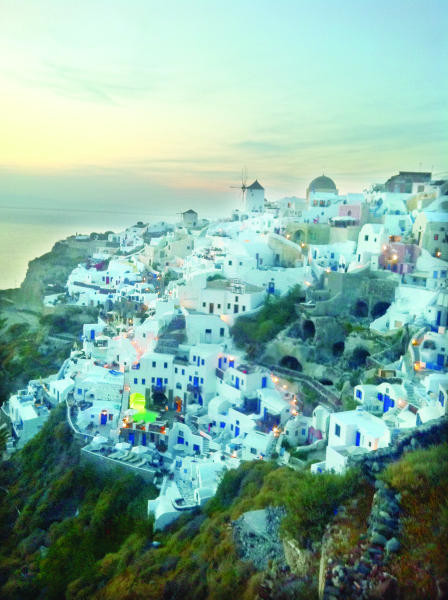
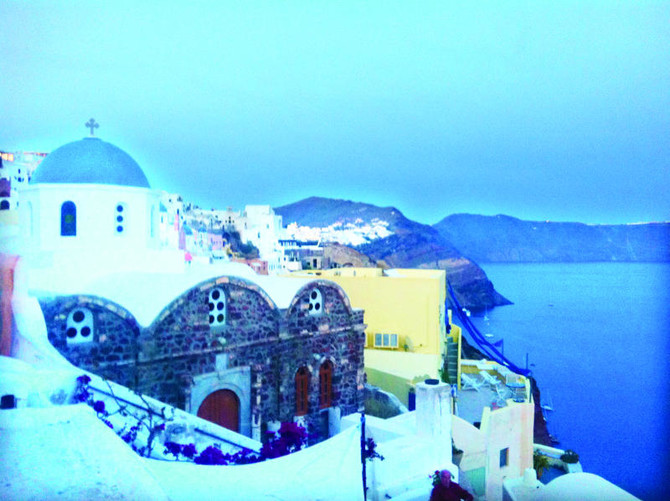
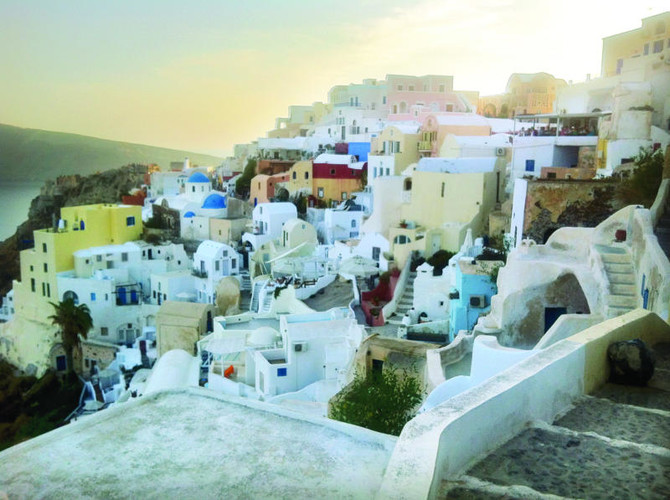
The pride of the island is the town of Oia (pronounced ee-ah), the scenic town is famous for its white painted housings and hotels located on a steep slope. The whole town overlooks the sea and the location is ideal for providing the best view of sunsets over the lagoon and volcano. Narrow pathways run all around the town, intertwined and can get a bit crowded with tourists during the summer months. Many of the houses and restaurants are actually carved in to the mountainous remains of the volcano, which gives it an exceptional picturesque feel due to the sun hitting it all day long. The town is very keen on preserving its image; locals take care of the white washed housings and repaint the roofs blue to keep the elegance of the town as it is. It’s also an effective way to attract tourists, photographers and artists due to its rare cityscape. There are a handful of restaurants that offer sunset views and it’s best to book in advance.
Shopping on the island is a delight; tourists can find great bargain prices almost everywhere as well as high-end well-known fashion houses such as Versace, Galliano, Alberta Ferreti and many others. Prices range according to location and store, but tourists should trust their taste instead of the recommendations of tour-guides and others. The most famous items purchased are gold and silver; Greece has been known to have fine jewelry and gold pieces for thousands of years and Santorini is no exception. Volcanic stone jewels are widely sold everywhere, yet the best quality and best pieces are sold at specialty stores.
The food in Santorini mainly consists of seafood; the best-served dishes are of lobster tails, fried fish and different types of shrimp dishes. All dishes must be served with a side salad, as a Greek law obligates all restaurants to serve a green serving to advocate healthy eating habits. Everything is served fresh out of the sea, mixed with the salty air and many restaurants offer their guests the option to choose from live fish and shellfish. Grilled chicken and meat dishes are also available according to the Greek cuisine, which resembles both the Turkish and Lebanese cuisines, albeit with a twist.
Do not be surprised to see donkeys around the towns, as they serve as means of transportation (for those who have just had fresh seafood meals and too tired to climb up the steep steps) and as garbage pickers.
Many small villages outside the main towns offer great experiences to the explorer at heart. The island still holds many traditional cave homes, a mixture between the old and modern. The countryside is available to visit best by bicycle or moped and you can have lunch in family-run restaurants or cafés.
Email: [email protected]


![]()
![]()
![]()
![]()
![]()
![]()

Santorini, a picturesque escape in the Mediterranean


Santorini, a picturesque escape in the Mediterranean
Latest updates






© 2026 SAUDI RESEARCH & PUBLISHING COMPANY, All Rights Reserved And subject to Terms of Use Agreement.