- Khuzdar lead-zinc venture expected to generate $150–230 million in annual revenue over 34-year mine life
- Mine holds estimated reserves of 69 million tons and is expected to boost exports, jobs in Balochistan
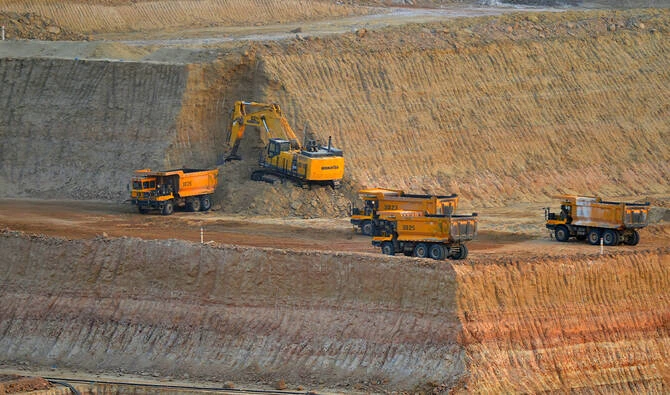
KARACHI: Pakistan has resolved long-standing lease issues that had delayed a $200 million barite, lead and zinc mining project in the southwestern Balochistan province, allowing the strategic investment to move into its implementation phase, the government’s Special Investment Facilitation Council (SIFC) said on Tuesday.
Pakistan has identified mining as a key pillar of its economic strategy, seeking to attract foreign and domestic investment into its vast but underdeveloped mineral sector to boost exports, create jobs and support long-term economic growth. The SIFC, a civil-military body established in 2023 to accelerate major investments by removing bureaucratic hurdles, has made minerals one of its priority sectors alongside agriculture, energy and information technology.
The Barite-Lead-Zinc (BLZ) Project in Khuzdar district is being developed by Pakistan Petroleum Limited (PPL) in a joint venture with Bolan Mining Enterprises (BME), with PPL serving as the project operator and holding a 50 percent working interest. The project is regarded as one of Pakistan’s most significant base metals developments, with estimated reserves of 69 million tons and a projected mine life of 34 years.
“Through SIFC’s facilitation, long-pending lease-related issues were successfully resolved, enabling the project to move forward,” the council said in a statement.
It said a major milestone had been achieved with the signing of the operational agreement during the Pakistan Minerals Investment Forum 2025, marking the start of the project’s implementation phase.
According to SIFC, the mine is expected to generate annual revenues of between $150 million and $230 million, while contributing to Pakistan’s mineral exports, creating employment opportunities and supporting economic development in Balochistan, the country’s largest but least developed province.
The council said the project’s progress reflected the government’s efforts to create a more investor-friendly business environment by removing regulatory bottlenecks and facilitating strategic investments.
It added that advancing the project demonstrated Pakistan’s commitment to developing its untapped mineral resources while strengthening investor confidence and promoting sustainable economic growth through large-scale mining investments.
However, there are additional challenges of developing Pakistan’s vast mineral wealth in Balochistan, where decades-long separatist violence has complicated investment.
Separatist militant groups, particularly the Baloch Liberation Army (BLA), have repeatedly targeted security forces, infrastructure and Chinese interests in the province, arguing that Balochistan’s natural resources are being exploited without benefiting local communities. The persistent security threat has slowed the development of several large mining and infrastructure projects despite the province’s rich deposits of copper, gold, lead, zinc and other minerals.