

RIYADH: Saudi Arabia’s royal reserve authorities marked World Ranger Day on Friday by paying tribute to field rangers safeguarding the Kingdom’s wildlife, natural habitats and biodiversity, while highlighting the growing use of technology and enforcement to strengthen environmental protection.
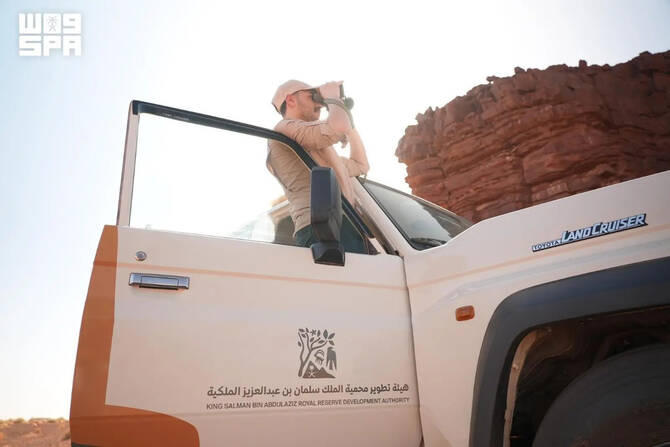
According to the Saudi Press Agency, the King Salman bin Abdulaziz Royal Reserve Development Authority described rangers as the first line of defense for the reserve’s ecosystems, working around the clock across rugged terrain to protect wildlife, vegetation and natural resources.
Beyond conducting enforcement patrols, rangers monitor ecosystems, support scientific research and wildlife surveys, and promote environmental awareness among visitors and local communities, the authority said.
The Imam Turki bin Abdullah Royal Reserve Development Authority said that rangers had become a cornerstone of conservation efforts by combining field expertise with modern technologies such as drones to monitor vast areas, improve response times and detect environmental violations. Rangers also collect field data, guide visitors and promote public safety throughout the reserve.
The authority said that continuous investment in ranger training and advanced equipment supported Saudi Vision 2030’s environmental sustainability goals by strengthening conservation through innovation.

At the Imam Turki bin Abdullah Royal Reserve, rangers use modern technologies such as drones to detect environmental violations and improve response times, but also to guide visitors and promote public safety throughout the reserve. (SPA photo)
Meanwhile, the Imam Abdulaziz bin Mohammed Royal Reserve Development Authority said that it continued to work with the Special Forces for Environmental Security on joint monitoring campaigns across the reserve and seasonal grazing areas.
The patrols have detected violations including unauthorized grazing, vehicle incursions into protected meadows and damage to vegetation, with legal action taken against offenders under environmental regulations. The authority said that the operations were aimed at preserving natural pastures, protecting biodiversity and ensuring compliance with conservation rules.
World Ranger Day, observed annually on July 31, recognizes the work of park rangers and conservation personnel worldwide while honoring those injured or killed in the line of duty.
Saudi Arabia has expanded its network of protected areas in recent years as part of Vision 2030, with royal reserves playing a central role in restoring ecosystems, protecting endangered species and promoting sustainable tourism.

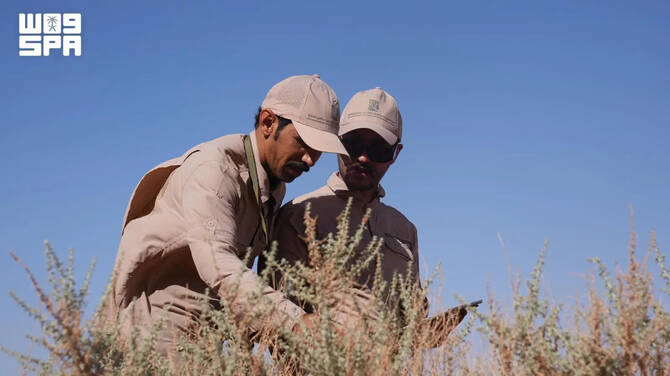
Rangers at the Imam Abdulaziz bin Mohammed Royal Reserve, in cooperation with the Special Forces for Environmental Security, continue to fight environmental violations in the reserve. (SPA photo)
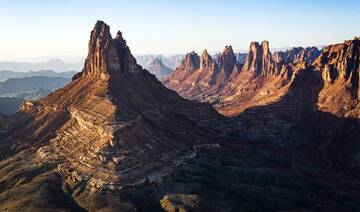
The King Salman bin Abdulaziz Royal Reserve is the Kingdom’s largest natural reserve, covering about 130,700 sq. km across Al-Jouf, Hail, Tabuk and the Northern Borders regions. It is home to diverse landscapes, archaeological sites and a rich variety of wildlife.
The Imam Turki bin Abdullah Royal Reserve, Saudi Arabia’s second-largest royal reserve, spans about 91,500 sq. km across five administrative regions and is known for its sweeping desert landscapes, historical sites and rare species, including the Arabian oryx.
Closer to the capital, the Imam Abdulaziz bin Mohammed Royal Reserve extends over about 11,300 sq. km northeast of Riyadh, protecting desert valleys and ecosystems while serving as one of the Kingdom’s most accessible conservation areas.