

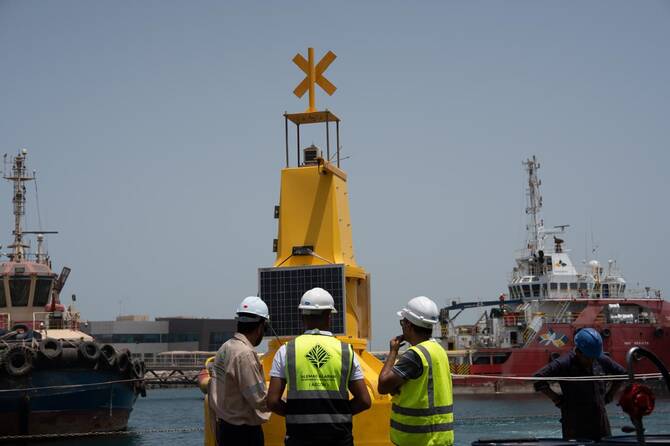
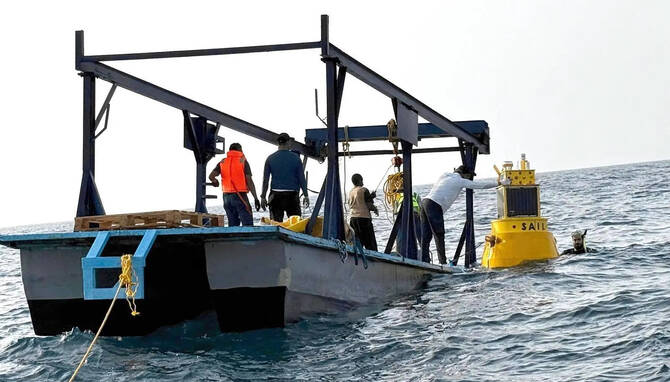

RIYADH: Saudi Arabia has completed the deployment of 35 smart monitoring buoys along its Red Sea and Arabian Gulf coastlines as part of a nationwide marine and coastal pollution monitoring program, a senior official at the National Center for Environmental Compliance told Arab News.
The system is designed to strengthen early environmental detection, monitor coastal water quality, and improve response to potential marine pollution incidents.
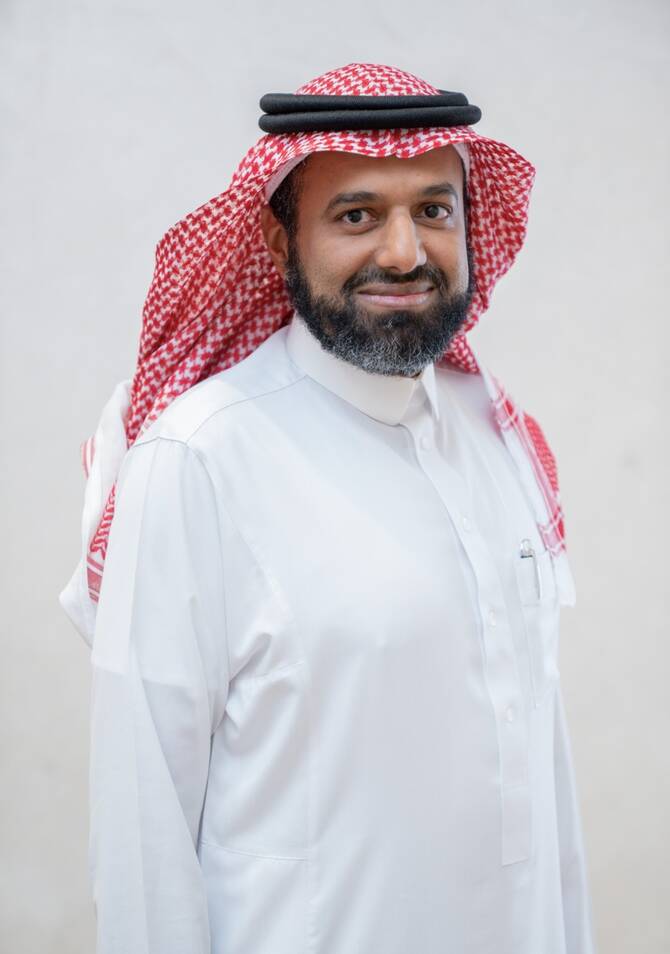
Amer Bamoneef, general director of the monitoring network at the center, said the initiative aims to strengthen early environmental monitoring, enhance coastal water quality surveillance, and improve preparedness for marine pollution risks.
The buoys have been deployed across 3,400 km of coastline along the Red Sea and Arabian Gulf, with sites selected based on environmental and technical criteria.
These include areas under environmental pressure, particularly near ports and industrial discharge outlets, as well as a wide range of marine environments to ensure the collection of comprehensive data on marine ecosystem conditions, Bamoneef said.
The buoy locations were also selected to minimize environmental impacts while preserving marine biodiversity and ecosystems, he added.
“The buoys serve as key monitoring stations, collecting real-time environmental data around the clock and transmitting it to the central control room. This enhances early detection of changes in marine environmental indicators and supports faster response and informed decision-making,” Bamoneef said.
The center’s marine monitoring system uses integrated technologies, beginning with satellite monitoring to detect potential pollution or algal blooms. Drones are then deployed for field verification, while smart buoys provide real-time environmental data to the central control room. The findings are later confirmed through verification procedures and laboratory tests conducted by mobile labs.
Bamoneef said the project was supported by an economic impact study assessing its effects on coastal tourism and fisheries, aiming to balance development with the protection of natural resources.
“The project contributes to improving the quality of life in coastal communities by protecting the marine environment, ensuring the sustainability of its resources, and promoting environmental awareness,” he said.


