

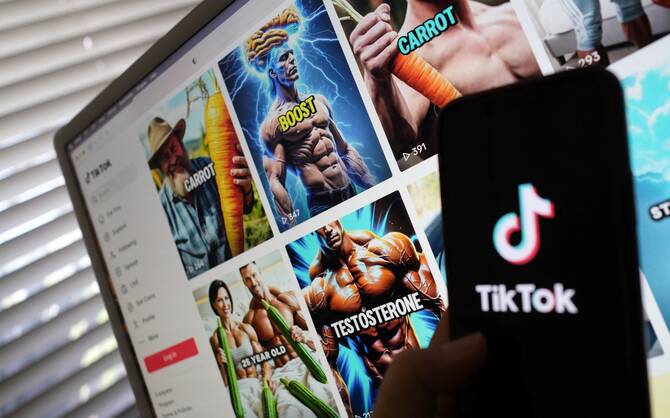

LONDON: TikTok said it is rolling out new artificial intelligence literacy resources and testing enhanced spam-detection systems across the Middle East and North Africa as platforms face growing pressure to police synthetic content.
The latest updates unveiled this week include AI literacy resources developed with experts, enhanced systems to detect AI-generated spam and expanded partnerships aimed at improving transparency across the industry.
“As artificial intelligence continues to transform the way people create and discover content, TikTok is expanding its efforts to ensure users can confidently navigate AI-powered experiences,” the video social media platform said in a statement.
TikTok said it removed more than 86 million fake accounts in the first quarter of this year and labeled more than 3 billion AI-generated videos using tools including Content Credentials, creator disclosure tools and invisible watermarking technology.
It said it will begin testing “enhanced detection systems” designed to identify accounts dedicated to posting AI-generated spam, with an initial focus on content that could affect public trust or well-being, including politics and current events, financial advice and medical information.
TikTok also said it has joined the Coalition for Content Provenance and Authenticity steering committee, which helps users identify content that has been generated or significantly altered using AI.
According to GroupM’s 2026 analysis of AI influencers, the number of verified AI-generated influencers on Instagram, TikTok and YouTube grew by more than 40 percent in 2025 and is projected to account for about 15 percent of all influencer-marketing spend by the end of 2026.
PwC Middle East said in January 2026 that a majority of Gen Z consumers in Riyadh and Dubai follow at least one AI influencer, with “24/7 engagement” cited as a key driver, suggesting the MENA region is relatively open to AI-generated content but still expects disclosure.
TikTok said it is also strengthening the educational side of the effort as a growing number of creators across the region use AI for storytelling, education and creative expression.
Through partnerships with groups including No Filtr and Raspberry Pi, TikTok said it is providing $4 million to support AI literacy and responsible-use programs.
The company said the effort comes as AI-generated content becomes more widespread across social media and platforms come under pressure to improve disclosure and curb abuse.


