

LONDON: Parts of the northern Syrian Arab Republic continue to face crisis-level food insecurity despite an improved harvest, with conditions expected to spread to the western governorate of Latakia by October, a global food security monitor said on Monday.
The Famine Early Warning Systems Network, or FEWS NET, warned in a report based on data as of June 22 that crisis-level outcomes (IPC Phase 3) are expected to persist across northeastern and northwestern Syria through January 2027.
The outlook is driven by declining seasonal incomes, rising costs for agricultural inputs and winter preparations, and reduced earnings from agriculture and tourism. Together, these pressures are expected to widen food consumption gaps among poor households as the winter lean season approaches.
Despite better harvest conditions, gains have been uneven. FEWS NET said most benefits accrued to wealthier households, while many poorer families used income to repay debts rather than improve food access.
At the same time, displaced people and households that have lost their livelihoods continue to face limited job opportunities, leaving food consumption gaps unresolved.
The scale of need remains severe nationwide. About four in five Syrians live below the poverty line, and 15.6 million people require humanitarian assistance, according to UN figures.
Food insecurity is also expected to worsen in other regions. Latakia is expected to reach crisis-level hunger in October.
Meanwhile, flooding along the Euphrates River in May damaged farmland and irrigation networks in the governorates of Deir Ezzor and Raqqa, further undermining agricultural production.
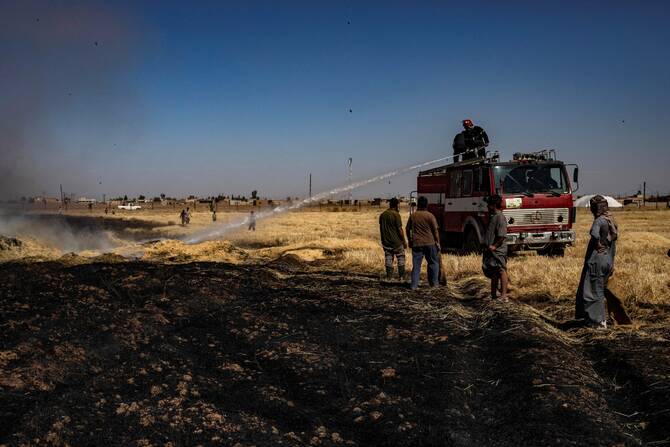
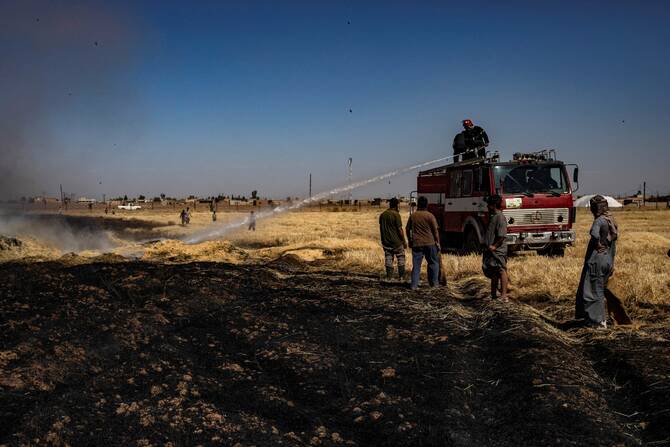
Environmental shocks have added to the strain, with widespread fires during the peak harvest season destroying standing crops, therefore worsening conditions in the Suweida governorate in southern Syria and pushing more households into IPC Phase 3 food insecurity.
The Syrian Ministry of Emergency reported about 6,500 fires nationwide in June, including 4,026 that affected agricultural land.
Economic instability continues to erode purchasing power. The Syrian pound lost about 15 percent of its value between April and June, while rising fuel costs pushed up transportation and food prices, FEWS NET said in its report.
Moreover, authorities have reportedly reduced subsidized bread allocations twice within six weeks, increasing costs for households that rely on bread as a staple.
Since early May, subsidized rations have been cut from 1,200 grams to 1,050 grams, and from 10 loaves to eight, or about 1,000 grams, directly raising food expenses for low-income families, the report shows.
It also notes that escalating Israeli military operations and intercommunal clashes have hindered agricultural activity and market access in southern Syria. In Quneitra, increased Israeli ground incursions, checkpoints and farmland destruction since early 2026 have deterred cultivation and restricted grazing in border communities.
These pressures are rooted in a protracted crisis. More than a decade of civil war — from early 2011 to late 2024 — has devastated infrastructure, triggered economic collapse and intensified the effects of recurring climate shocks.
The conflict has also disrupted key sectors, including agriculture, oil production and trade, leaving the economy fragile and weakening household purchasing power. The fall of longtime ruler Bashar Assad on Dec. 8, 2024, and the formation of a transitional government in March 2025 have ushered in a fragile transition, with observers expressing hopes that international support could improve conditions.


