
ALKHOBAR: Ensuring a menu stays fresh and enticing is par for the course in the restaurant business. Today, eateries across Saudi Arabia are introducing limited-time burgers, seasonal drinks and viral desserts at a faster pace than ever before, driven by consumers eager to try whatever comes next.
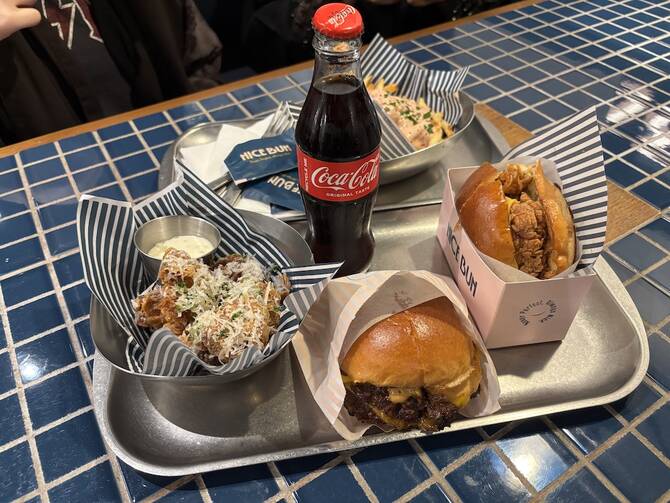
Social media has the potential to turn a single product into a nationwide craze within weeks, forcing restaurants to decide whether to create the next trend or simply keep up with it. For Majd Khawam, marketing manager at Nice Bun, that cycle has become part of everyday business.
“Guests in Saudi Arabia quickly get tired of repetitive menus,” he said. “Even if your brand is considered a top player, people always want something new to try.”
That is why the restaurant deliberately launches a limited-time product every two to three months.
“Sometimes it becomes genuinely trendy, and sometimes it doesn’t,” he said. “Either way, it keeps the brand fresh.”
The approach has become part of the restaurant’s long-term strategy rather than a reaction to individual trends, and he believes social media has fundamentally changed the pace of the market.
“I’d say most brands surf the trend,” he said. “Only a few actually create it, while the rest end up imitating whoever started it. Once something goes viral, it spreads so fast that staying original becomes harder. Brands feel pressure to respond quickly just to stay relevant.”
That pressure, however, comes with risks.
“Not every trend is worth following,” Khawam said. “Some brands jump on every viral product simply because there’s hype around it, even when it doesn’t fit their identity.”
The result is a market where new products appear faster than ever — but often disappear just as quickly. Consumers, meanwhile, say they have become part of that cycle.
For Reem Ahmed, trying viral food has become part of discovering new places.
“If I keep seeing the same drink or dessert everywhere, I usually want to try it,” she said. “Sometimes it’s genuinely good, but other times I wonder why everyone was talking about it.”
For her, the experience is often about curiosity rather than loyalty: “I don’t necessarily go back because the product is amazing. I just want to know what the hype is about.”
For Abdulatif Al-Mansour, the speed at which trends spread has made him more skeptical than excited.
“If everyone is suddenly talking about the same dessert, I usually wait,” he said. “A lot of the time I end up trying it weeks later and wondering what all the excitement was about.”
He believes social media has changed the way people discover restaurants.
“Sometimes it feels like people are visiting a place because it’s trending rather than because the food is actually good,” he said.
For Faisal Al-Motawaa, the change is most obvious in how quickly businesses react.
“You’ll see one restaurant launch something new, and before long you’ll find almost every cafe or restaurant selling its own version,” he said. “It makes everything feel temporary. Trends disappear almost as quickly as they appear.”
Not everyone sees that as a negative. Jumana Al-Khamis, for example. “I actually enjoy it because it gives me an excuse to try new places. But after a while, every menu starts looking the same,” she said.
She believes restaurants are now competing for attention before they compete for loyalty, adding: “I’d rather see restaurants create something that’s unique to them than copy whatever is popular that month.”
Marketing specialist Sara Al-Qarni said social media had significantly shortened the life cycle of food trends: “Restaurants have always followed trends, but social media has compressed the timeline dramatically. A product that once stayed relevant for a year can now peak, spread across the market and disappear within a few weeks.”
She believes restaurants are increasingly competing for attention rather than competing on food.
Khawam believes responding to trends is important but warns that chasing every viral product can weaken a brand if it no longer reflects its identity.
Viral content can fill a restaurant overnight, but attention moves quickly. Staying relevant increasingly means balancing speed with originality and, while going viral may bring customers through the door, restaurant owners say building a brand that outlives the next trend remains the harder challenge.