





RIYADH: Traditional crafts, heritage clothing, locally produced honey and agricultural products are taking center stage at the Najran heritage festival, offering visitors a glimpse into the region’s cultural identity and rural economy.
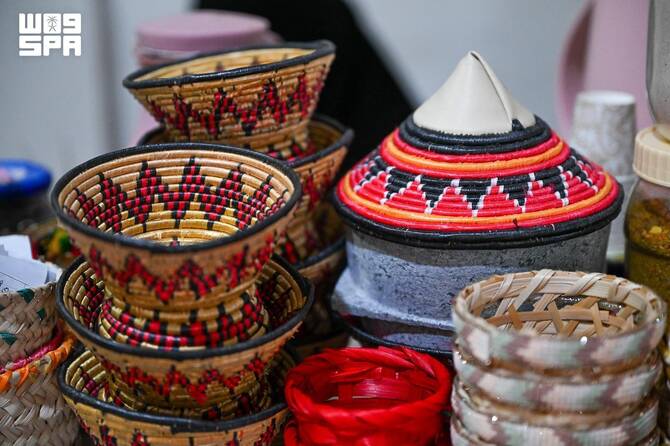
One of the festival’s main attractions is the handicrafts pavilion, organized by the Ministry of Environment, Water and Agriculture branch near the Historical Palace of the Emirate. The exhibition features dedicated sections for traditional Najrani crafts, including woven mats, baskets, fans, brooms and traditional oil presses.
Artisans said that these heritage products remained popular locally and across the region for their durability and craftsmanship. They added that the festival provided valuable opportunities to market and showcase their work.
The festival continues to attract growing crowds across its pavilions, which also feature local dates, citrus fruits, honey and family-run agricultural products.
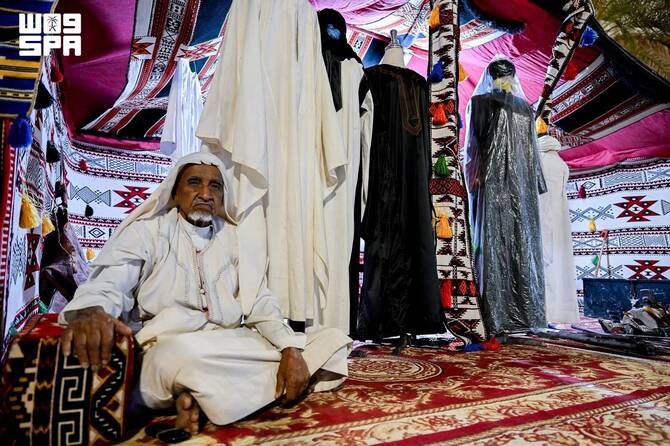
The traditional clothing pavilion has also attracted residents and visitors celebrating the region’s cultural identity, the Saudi Press Agency reported on Saturday.
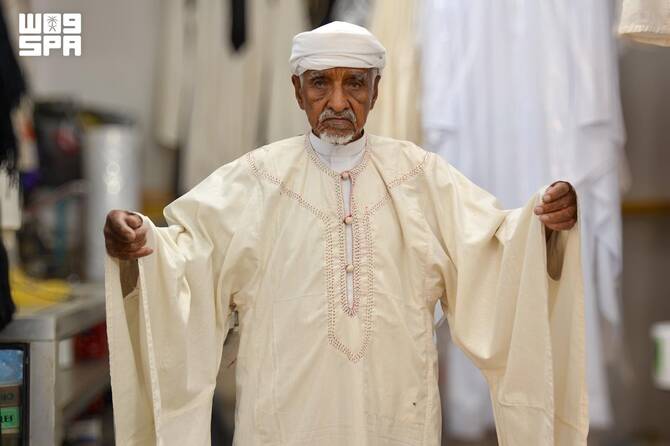
A key attraction is the display by Ali bin Mohammed Al-Abdullah, Najran’s oldest traditional tailor, who has more than 65 years of experience. His exhibit features heritage garments commonly worn at national occasions.
Al-Abdullah said that preserving these traditional garments and encouraging children to wear them at social occasions helped to strengthen the younger generation’s connection to their cultural heritage and national identity.
Meanwhile, honey and its byproducts have become a promising economic resource in Najran, which produces a variety of natural honey, including sidr, talh, samar, salam and qardh, as well as value-added products such as soaps, creams, royal jelly and propolis.
Honey prices range from SR100 to SR400 ($26.7 to $107) per kg, depending on the type, quality and packaging. Growing demand for processed products is helping to diversify beekeepers’ income and boost the sector’s economic value.
Najran beekeepers have won gold and platinum awards at international competitions, reflecting the quality and global competitiveness of local honey.
Supported by initiatives from the Ministry of Environment, Water and Agriculture, the sector has advanced through modern beekeeping practices, higher production, and the preservation of local bee strains.
These efforts support Saudi Vision 2030 by promoting sustainable agriculture, empowering rural beekeepers, and enhancing the quality and growth of honey production.


