

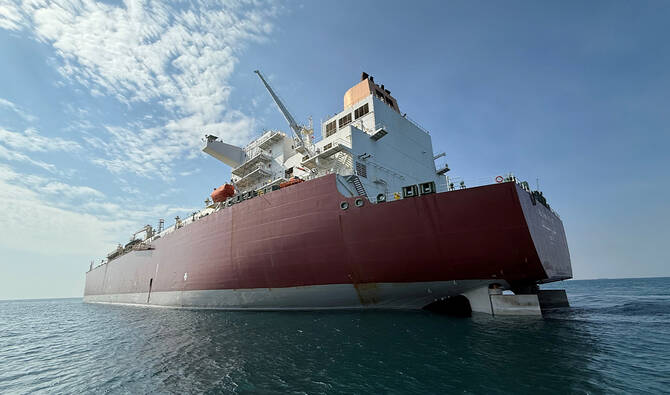
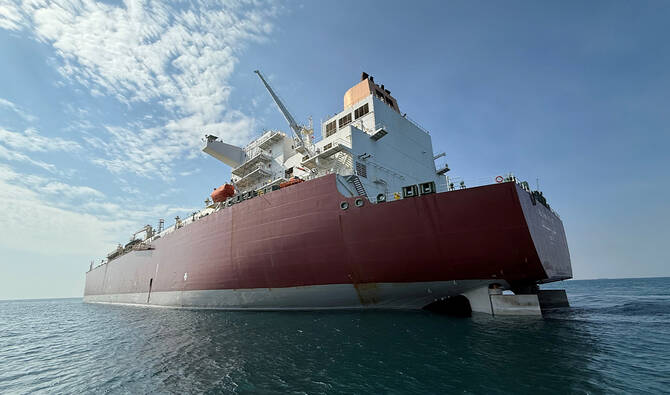
KARACHI: Pakistan on Thursday sought bids for a spot liquefied natural gas (LNG) cargo after its largest gas utility warned of disruptions to supplies from Qatar because of renewed conflict in the Gulf, prompting experts to warn of prolonged power outages if the crisis persists.
The tender comes after Sui Northern Gas Pipelines Limited (SNGPL) informed LNG-based power producers a day earlier it was declaring force majeure from July 14 to August 3.
Force majeure is a legal provision that allows companies to suspend contractual obligations because of extraordinary events beyond their control.
SNGPL’s announcement came following renewed military exchanges between the United States and Iran around the Strait of Hormuz, a strategic waterway that serves as a key global energy shipping route through which Qatar exports LNG to Pakistan.
State-run Pakistan LNG Limited (PLL) invited bids from international suppliers to procure one LNG cargo of about 140,000 cubic meters for delivery on July 15-16 in an effort to avert any disruption to electricity supplies.
“We will buy one spot cargo,” a senior Energy Ministry official told Arab News on condition of anonymity because he was not authorized to speak publicly.
The LNG disruption threatens Pakistan’s fragile energy supply chain at the height of summer, when electricity demand typically peaks.
The country generates about 17 percent of its electricity from gas, including around 6 percent from imported LNG, and typically requires four to five LNG cargoes each month between April and August to keep its roughly 5,000-megawatt LNG-fired power plants operating.
Energy ministry officials said the disruption had once again pushed Pakistan toward the spot LNG market, where cargoes currently cost about $16-$17 per million British thermal units (mmBtu), compared with $10-$12 per mmBtu under QatarEnergy’s long-term contracts.
ALTERNATIVE FUEL
According to Muhammad Saad Ali, an energy expert, any renewed escalation of the Iran conflict could create “high risk of increased blackouts and petrol shortage” in the country.
He pointed out that Pakistan was expected to rely more heavily on hydropower, furnace oil and coal-fired generation to bridge any supply shortfall under the circumstances.
“We may have to burn some furnace oil for power generation,” he continued. “Hydropower production during summers is good so we may benefit from that. We also have coal-based options for power generation.”
Ali noted that higher reliance on spot LNG and alternative fuels could increase electricity generation costs and add to inflationary pressures.
“We can use some of our underutilized power plants more at higher electricity cost,” he added.


