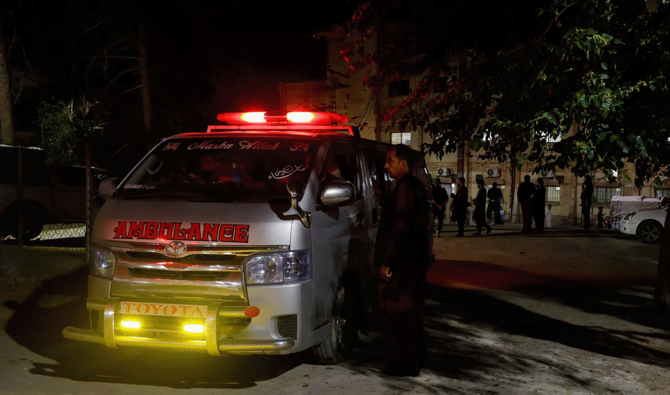

ISLAMABAD: A 42-year-old woman from the southern Pakistani district of Jacobabad, who had been affected by rabies after being bitten by a mongoose, passed away during treatment, Indus Hospital in Karachi said on Friday, in a rare case of rabies.
The patient, a resident of Ghulam Qadir Mughari Goth in Jacobabad, was brought to Indus Hospital in Karachi on June 10 with symptoms suggestive of rabies encephalitis, according to the hospital.
The woman was bitten on hand by a mongoose two weeks ago while she was harvesting crops in her village, according to her family. The patient didn’t seek any medical care after the incident.
Two days before her admission to the hospital, the patient developed fever, difficulty swallowing, and increasing restlessness, and upon examination, doctors observed classic signs of rabies, including hydrophobia, aerophobia, and photophobia.
“The patient’s family was counseled regarding the diagnosis and the extremely poor prognosis associated with clinical rabies,” Indus Hospital said in a statement.
“She was admitted for palliative care and passed away on June 11, 2026.”
Rabies is a serious viral disease that affects the brain and nervous system of mammals, including humans. It is usually spread through the saliva of an infected animal, most commonly via a bite.
While dog bites account for the majority of rabies cases, bites from potentially rabid wild animals can also transmit the virus. Once clinical symptoms of rabies develop, the disease is almost invariably fatal, according to experts.
The case serves as a stark reminder of the need for greater public awareness regarding rabies prevention and the importance of seeking urgent medical attention after any animal bite. Early wound cleansing, timely rabies vaccination, and administration of rabies immunoglobulin when indicated can effectively prevent the disease.
“Rabies is 100 percent preventable through timely medical intervention, yet it remains one of the deadliest infectious diseases once symptoms appear,” said Aftab Gohar, who manages Rabies Prevention & Training Center at Indus Hospital.
“This tragic case highlights that bites from any potentially rabid animal including wild animals such as mongooses must be treated as a medical emergency. Immediate wound washing and prompt post-exposure vaccination can save lives.”