

ISLAMABAD: US President Donald Trump said on Thursday he had called off planned military strikes against Iran after negotiations with Tehran advanced to the highest levels of the Iranian leadership, crediting Pakistan and several Gulf and Middle Eastern states for supporting diplomatic efforts toward an agreement.
The announcement came after a sharp escalation in hostilities between the United States and Iran that threatened to derail diplomatic efforts aimed at ending the conflict that began with US-Israeli strikes on Tehran in February.
Trump had warned that Iran would “have to pay the price” and suggested US forces could strike “VERY HARD TONIGHT,” while Iranian officials cautioned Washington against actions that could trigger a wider regional war and further disrupt global energy markets.
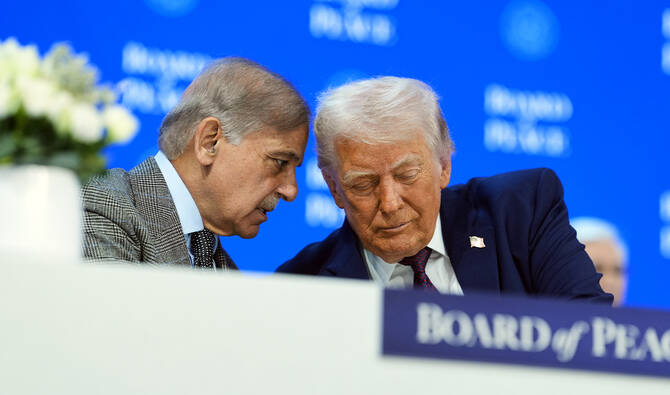
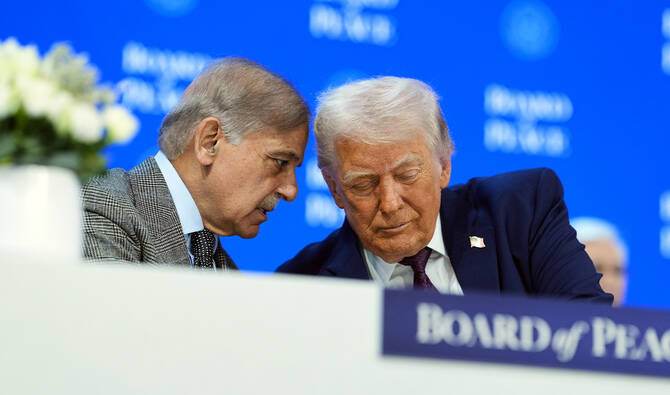
Amid the crisis, Pakistan has emerged as a key diplomatic interlocutor. Speaking at the White House a day earlier, Trump said he had given Iran “a break at the request of Pakistan,” specifically mentioning Prime Minister Shehbaz Sharif and Chief of Defense Staff Field Marshal Asim Munir, and said Islamabad was continuing efforts to persuade Tehran to reach an agreement.
“Based on the fact that discussions with the Islamic Republic of Iran have been brought to the highest level of Iranian leadership and approved, I have, as President of the United States of America, canceled the scheduled strikes and bombings against Iran this evening,” Trump said in a post on Truth Social.
He said discussions and final points of a proposed agreement had been approved “in both concept and great detail” by all parties involved, including the US, Israel, Saudi Arabia, the United Arab Emirates, Qatar, Türkiye, Pakistan, Bahrain, Kuwait, Jordan and Egypt.
“The Naval Blockade will remain in full force and effect until this Transaction is finalized — Time and place of the signing to be announced shortly,” he added.
Earlier in the day, Pakistan voiced concern over renewed military exchanges between Washington and Tehran and urged both sides to exercise restraint.
“Pakistan reaffirms its support for the peaceful resolution of all outstanding issues,” foreign ministry spokesman Tahir Andrabi told a weekly briefing in Islamabad. “We are of the view that diplomacy and dialogue should be the guiding principles for achieving a negotiated settlement of all contentious issues.”
In a statement issued later in the day, Saudi Arabia also urged parties to return to “constructive negotiations sponsored by the brotherly Islamic Republic of Pakistan,” alongside efforts by Qatar, saying diplomacy was needed to spare the region from the consequences of a return to war and restore security and stability.
The latest developments follow weeks of diplomatic efforts to secure a lasting settlement after an April truce failed to produce a permanent agreement.
The conflict has disrupted shipping through the Strait of Hormuz, fueled volatility in global energy markets and heightened concerns about the broader economic impact of a prolonged confrontation.
Iran also warned the US during the day that further military action could create an “endless quagmire” and trigger wider instability across the region, while Trump had threatened to seize Iranian oil infrastructure if negotiations failed.


