- Islamabad says disputes should be resolved through dialogue as regional tensions rise again
- Renewed military strikes are threatening months of international efforts to secure negotiated settlement
ISLAMABAD: Pakistan on Tuesday urged all sides to exercise restraint and give diplomacy a chance as renewed military tensions between the United States and Iran threaten months of international efforts to secure a negotiated settlement and prevent a wider Middle East conflict.
The appeal comes after a fresh escalation involving US military action against Iranian targets and subsequent Iranian strikes against US-linked facilities in the region, developments that have heightened concerns about regional stability, global energy supplies and the future of ongoing diplomatic efforts.
Pakistan has played a prominent role in mediation efforts since the conflict erupted earlier this year, maintaining contacts with both Washington and Tehran and supporting negotiations aimed at easing tensions and addressing disputes surrounding Iran’s nuclear program and other issues.
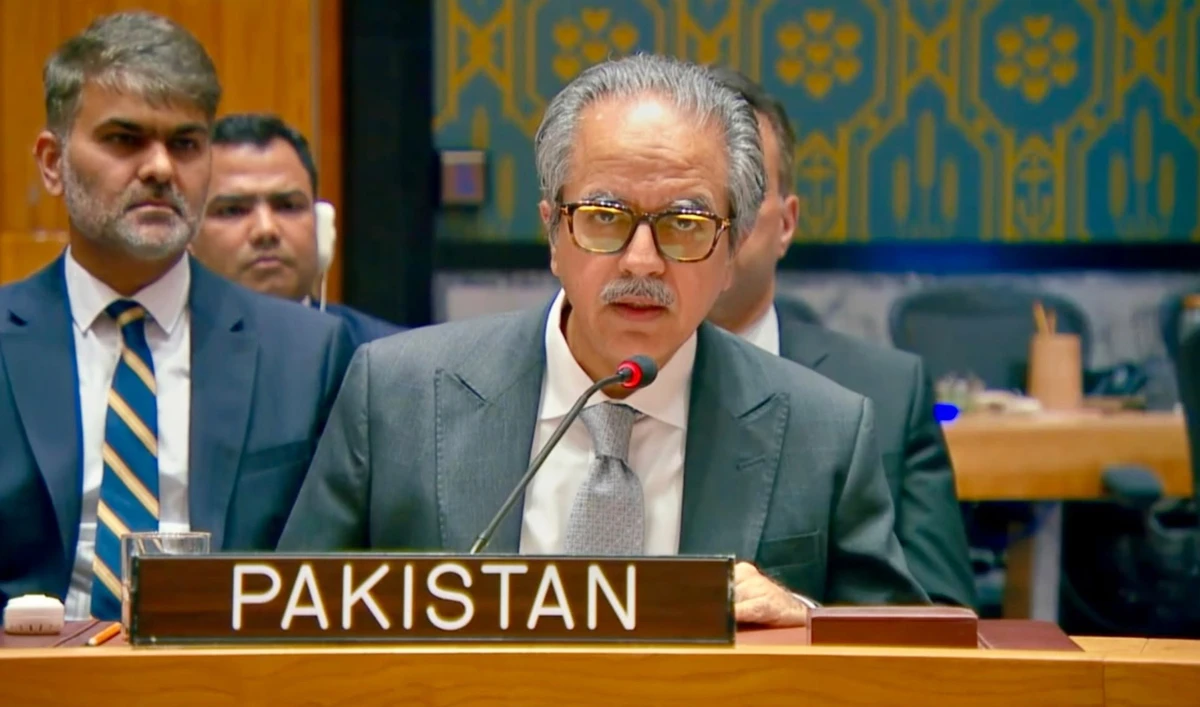
Addressing a United Nations Security Council briefing on non-proliferation, Pakistan’s Permanent Representative to the UN, Ambassador Asim Iftikhar Ahmad, reaffirmed Islamabad’s support for a diplomatic solution.
“Pakistan reaffirms its support for the resolution of all outstanding issues including Iran nuclear issue through peaceful means, diplomatic engagement and sustained dialogue,” Ahmad said.
“We are of the view that diplomacy and dialogue should be the guiding principles for achieving negotiated settlement of all contentious issues in accordance with the rights, obligations and responsibilities of the parties concerned.”
Pakistan has repeatedly called for dialogue throughout the crisis and has publicly highlighted its efforts to support communication between the two sides. .
The ambassador suggested diplomatic efforts were approaching a decisive stage and warned against actions that could undermine progress.
“As we work earnestly and painstakingly, together with our friends and partners, to find a peaceful diplomatic solution to the conflict, and especially when the final objective is just about to be achieved, we sincerely urge all sides to exercise restraint and give peace a little more chance,” Ahmad said.
The remarks came during a Security Council briefing of the committee established under Resolution 1737, which oversees UN measures related to Iran’s nuclear activities.
Iran’s Revolutionary Guards said they had carried out attacks against a US base in Jordan and 21 other targets in the Gulf on Wednesday in retaliation for American strikes around the Strait of Hormuz, Iranian media reported.
The clashes mark one of the biggest exchanges in hostilities since the two countries agreed to a ceasefire in April.
The Iranian strikes, which included attacks in Kuwait and Bahrain, came after the US military said on X it had targeted Iranian air defense, ground control stations and surveillance radar sites near the strait in response to what US President Donald Trump said was the downing of a US Apache helicopter on Tuesday.
The escalation in violence deepens doubts about the prospects for a deal to end the war that started on February 28 with joint US-Israeli strikes against Iran. Tehran responded by firing on Gulf neighbors that host US bases and all but choked off the Strait of Hormuz, a vital conduit for oil and gas.
-With additional inputs from Reuters